Last updated November 21, 2026
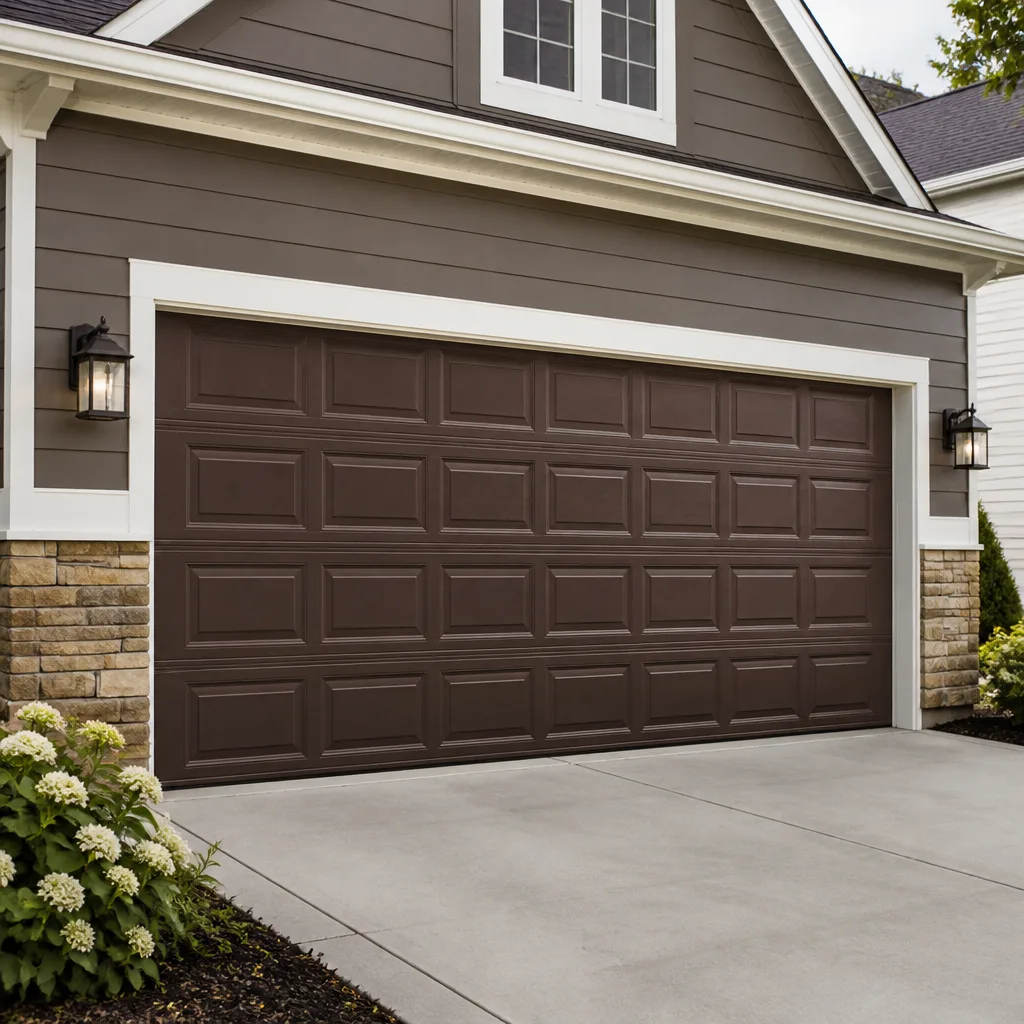 Raised-panel steel
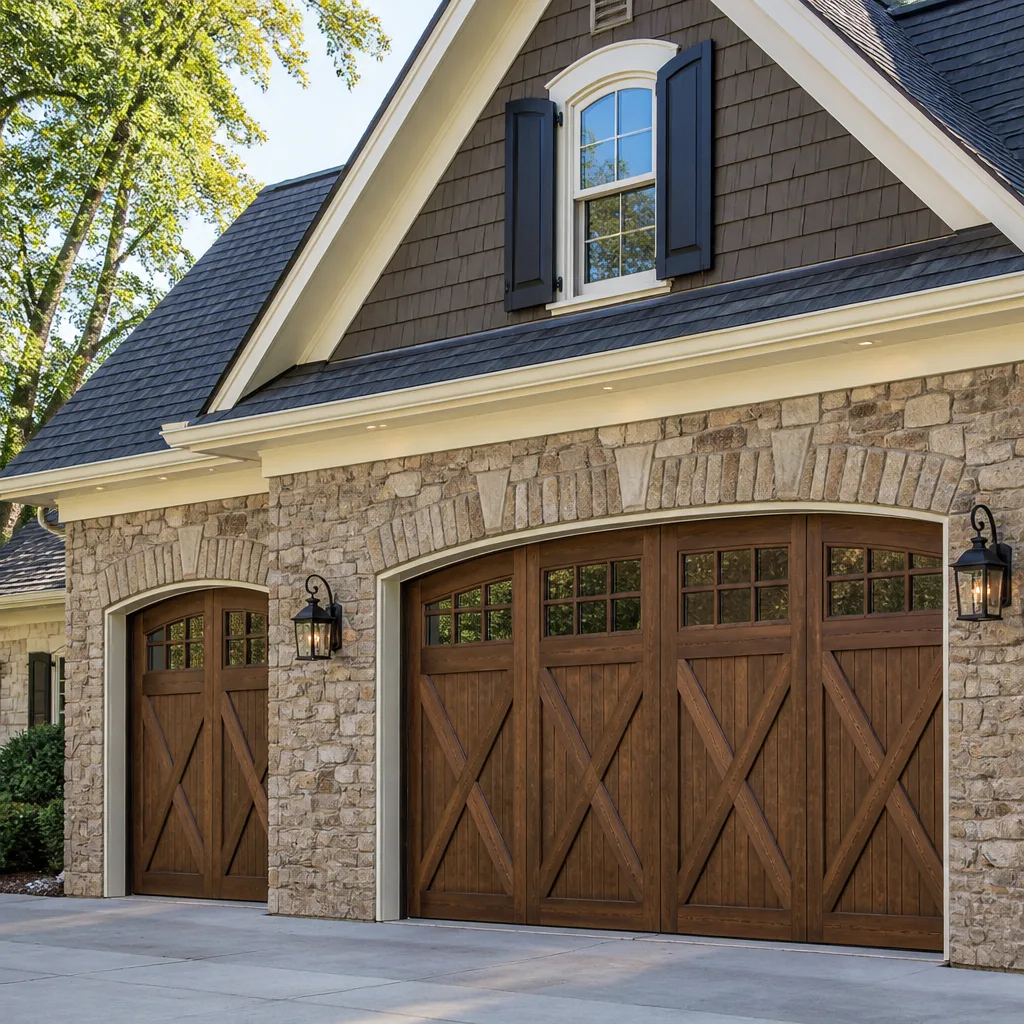 Carriage house
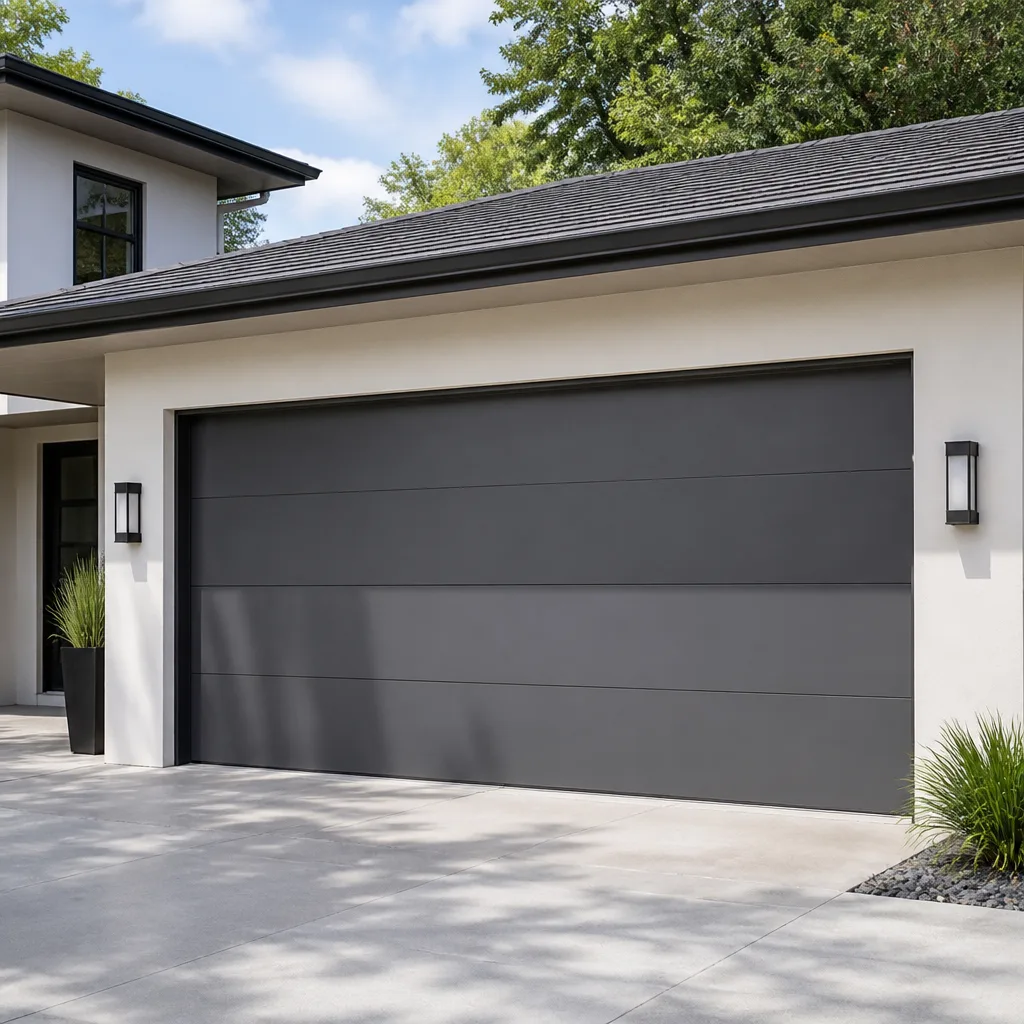 Modern flush
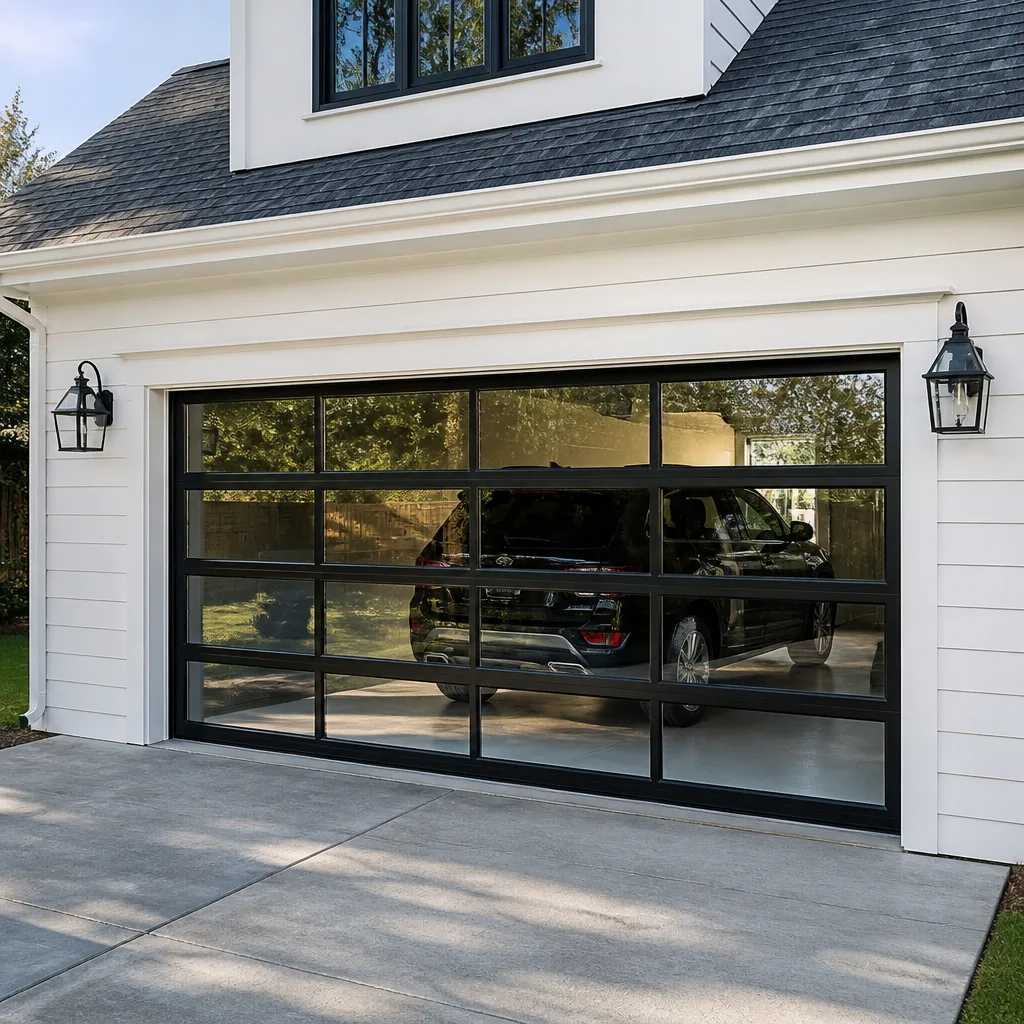 Full-view glass
 LiftMaster openers
 Chamberlain openers
Full 25-point door and opener safety check with every visit - springs, cables, rollers, tracks, and your LiftMaster or Chamberlain opener included
You get a price before we start. It does not change when the pro arrives.
Get your free estimateGarage Door Permits, Codes & Inspections in Sheepshead Bay, NY: What You Need to Know
Most homeowners in Sheepshead Bay assume every garage door project needs a permit, so they wait weeks for paperwork before fixing a door that won’t close. Others assume no garage door work ever needs one and skip filings that surface years later during a home sale. Both are wrong, and the difference comes down to one factor most contractors won’t raise unless you ask: whether the work changes the structure, the opening, or the door’s fire-separation role. This guide draws the line precisely, covering the NYC Department of Buildings threshold, like-for-like replacement rules, fire separation in attached homes, and what inspections actually check.
Quick Answer
In Sheepshead Bay and across residential Brooklyn, a garage door repair, spring replacement, or opener swap generally does not require a permit, while replacing a door with a different size, changing the opening, or altering structural framing usually does, which means a filing with the NYC Department of Buildings. Fire-separation requirements in attached homes can also affect what door you’re allowed to install. When in doubt, ask the city’s building department before you buy, because the answer changes the cost and timeline of the job.
Styles & brands we work with
- Raised-panel steel
- Carriage house
- Modern flush
- Full-view glass
- LiftMaster openers
- Chamberlain openers
Table of Contents
- The DOB Threshold: Repair vs. Installation
- What “Like-for-Like Replacement” Actually Means in NYC
- Fire Separation in Attached Brooklyn Homes
- The Inspection Steps After a Permitted Installation
- How Unpermitted Work Shows Up on a Title Search
- What Garage Door Permit Work Typically Costs in Sheepshead Bay
- Common Mistakes to Avoid
- Frequently Asked Questions
The DOB Threshold: Repair vs. Installation
The line between a no-permit repair and a permit-required installation isn’t about the dollar amount. It’s about whether the work touches the structure or the opening. This is where most Sheepshead Bay homeowners get steered wrong, because a contractor who avoids filings will describe a structural job as a “repair” and a cautious contractor will treat a simple spring swap like a new construction project. Neither is helping you.
Here’s how the work usually sorts out in residential Brooklyn:
- No permit typically needed: Replacing torsion or extension springs, swapping a broken opener, replacing rollers, hinges, or cables, realigning a door that jumped its track, or replacing weather seals and bottom rubber.
- Permit usually required: Installing a door in a new opening, enlarging or reducing the opening, replacing headers or structural framing, changing the door from a sectional to a roll-up or swing style, or altering the track and header configuration to fit a larger door.
- Depends on the specifics: Swapping a door of the same size and type in the same opening, which is the gray area this guide spends the most time on below.
In Sheepshead Bay specifically, the housing stock matters. Many of the homes along the residential streets running toward Sheepshead Bay Road and Emmons Avenue were built with detached or semi-detached garages, and some were later converted or attached during renovations. That history means a door that looks like a straight swap may actually change how the opening performs structurally, especially when you move to a heavier insulated door or a different track radius. A technician who knows the address can flag that before you order, which is a large part of why we ask about the structure, not just the door, on the first call.
What “Like-for-Like Replacement” Actually Means in NYC
“Like-for-like” is the phrase that gets thrown around to justify skipping a filing. In code terms, it means a replacement that matches the existing door in size, type, material, and operation, in the same opening, without changing the structural framing or the door’s safety and fire-separation role. In practice, contractors stretch the definition in three predictable ways.
- Same width, different height. Going from a 7-foot door to an 8-foot door changes the header height and the track. It isn’t like-for-like, even if the width is identical.
- Same opening, different door type. Swapping a sectional door for a roll-up door, or vice versa, changes the structural demands on the opening and is not like-for-like.
- Same size, different weight class. Upgrading to a heavier insulated door on existing framing, with no verification the header and springs can handle it, isn’t cosmetic. It’s a structural question.
We work on LiftMaster, Chamberlain, Genie, Clopay, Amarr, Wayne Dalton, Craftsman, and Raynor equipment, which means when you call about a replacement, the first thing we do is confirm whether what you want fits your existing opening or requires a filing. A true like-for-like replacement with the same manufacturer and model family is usually straightforward. A change in size, type, or weight usually isn’t, and it’s worth the conversation before you buy the door, not after.
If you’re replacing a door that’s failed beyond repair, our team handles the full scope from assessment through install. You can read more about our garage door installation work for a sense of how the process runs in a Brooklyn home.
Fire Separation in Attached Brooklyn Homes
Attached homes and garages sharing a wall with living space are common in Sheepshead Bay, particularly on the blocks where older homes have been added onto or where a former detached garage was brought under the same roofline. That matters for code, because the wall and door between a garage and the living area are part of the fire-separation strategy for the house. A door with the wrong fire rating, or one that’s been cut or modified, can fail an inspection even if it looks fine.
Practically, this means a few things when you’re choosing a replacement door:
- The door’s fire rating and construction need to match what the separation requires for that specific home, not what’s cheapest at the supplier.
- Windows in the door, or in the wall between the garage and house, affect the rating and may rule out certain doors entirely.
- If a previous owner modified the wall between the garage and house (adding a door, removing a door, punching through for a duct), that change may already need correcting, independent of the garage door itself.
We can’t tell you from a phone photo what fire rating a Sheepshead Bay home requires, and anyone who claims to is guessing. What we can do is flag when the question applies and tell you to confirm the requirement with the city’s building department or a licensed architect before ordering. That call saves more money than it costs.
The Inspection Steps After a Permitted Installation
When a permit is pulled for garage door work, the inspection process is what usually catches the problems. Most of the failures we hear about aren’t about the door quality. They’re about documentation and small install details that a technician should have handled correctly the first time. Here’s the sequence a permitted installation generally goes through:
- Pre-inspection planning. Confirm what the filing covers: door, opener, framing, track, or all of the above. Anything not on the approved plan can fail the inspection.
- Rough-in inspection (if structural work is involved). The framing, header, and any new opening are checked before the door is hung.
- Final installation inspection. The door’s operation, balance, safety features (auto-reverse, photo-eye sensors), and attachment to the structure are checked.
- Electrical inspection (if the opener wiring is new). Any new circuit to the opener is checked separately from the door itself.
- Sign-off and certificate of completion. The department closes the permit once the inspections pass, which is the document a future buyer will look for.
What fails most often? Auto-reverse and photo-eye systems that weren’t tested or are misaligned, doors hung out of balance, track and header connections that don’t match the plan, and mismatches between what was filed and what was installed. All of these are avoidable when the installer and the filing are handled by people who’ve done the sequence before. If you’re also replacing an opener during the project, our garage door opener repair team can confirm whether the new unit’s wiring needs a separate electrical sign-off.
How Unpermitted Work Shows Up on a Title Search
Unpermitted garage door work rarely creates a problem on the day it’s done. It surfaces at the closing table, when a buyer’s attorney pulls the property’s permit history and finds an installation with no matching filing. What happens next depends on the severity of the mismatch, but the pattern is consistent: the sale gets paused while the seller either produces the missing paperwork or agrees to a credit or remediation.
The remediating party is usually the seller, and the process generally goes:
- Open a filing with the NYC Department of Buildings for the existing work.
- Have a licensed professional inspect the installation for code compliance.
- Correct anything that fails, which may include the door itself.
- Complete the inspection sequence and close the permit.
That whole cycle can add weeks to a closing, and the cost usually falls on whoever is holding the property. In Sheepshead Bay, where homes often change hands within families or sell to buyers who bring a careful attorney, the paperwork matters as much as the door. The cleanest approach is to ask for the permit documentation when the work is completed, so you have it before you ever need it. If you’re selling soon, and you don’t know whether a prior install was filed, an inspection to confirm the door’s condition and paperwork status is worth doing early.
What Garage Door Permit Work Typically Costs in Sheepshead Bay
Permits aren’t the expensive part. The door, the labor, and any structural work are. But the filing affects the timeline, and that affects how much a project really costs when you add up the wait. Below are the typical ranges we work with for Sheepshead Bay jobs; these are estimates, and the written quote is what sets the final price, not a phone range.
- Like-for-like door replacement (no permit): Typically $900 – $2,200 installed, depending on size, material, and insulation.
- Installation requiring a permit: Add filing and inspection costs to the door and labor above; the total usually runs higher than a comparable no-permit swap.
- Torsion spring replacement (one spring): Typically $180 – $340. A matched pair replaced together is about twice that.
- Opener replacement: Typically $350 – $800 installed, depending on the unit and whether wiring changes are needed.
- Track and header adjustment during an installation: Quoted per job after assessment; never a fixed number over the phone.
We price every job with an estimate agreed before work starts, and if the door looks different in person than it did on the call, we say so before we touch anything. For a full picture of what a project runs in this neighborhood, see our garage door repair in Sheepshead Bay page. And if a spring has snapped, our garage door repair line handles emergency calls separately from installation scheduling.
See the difference
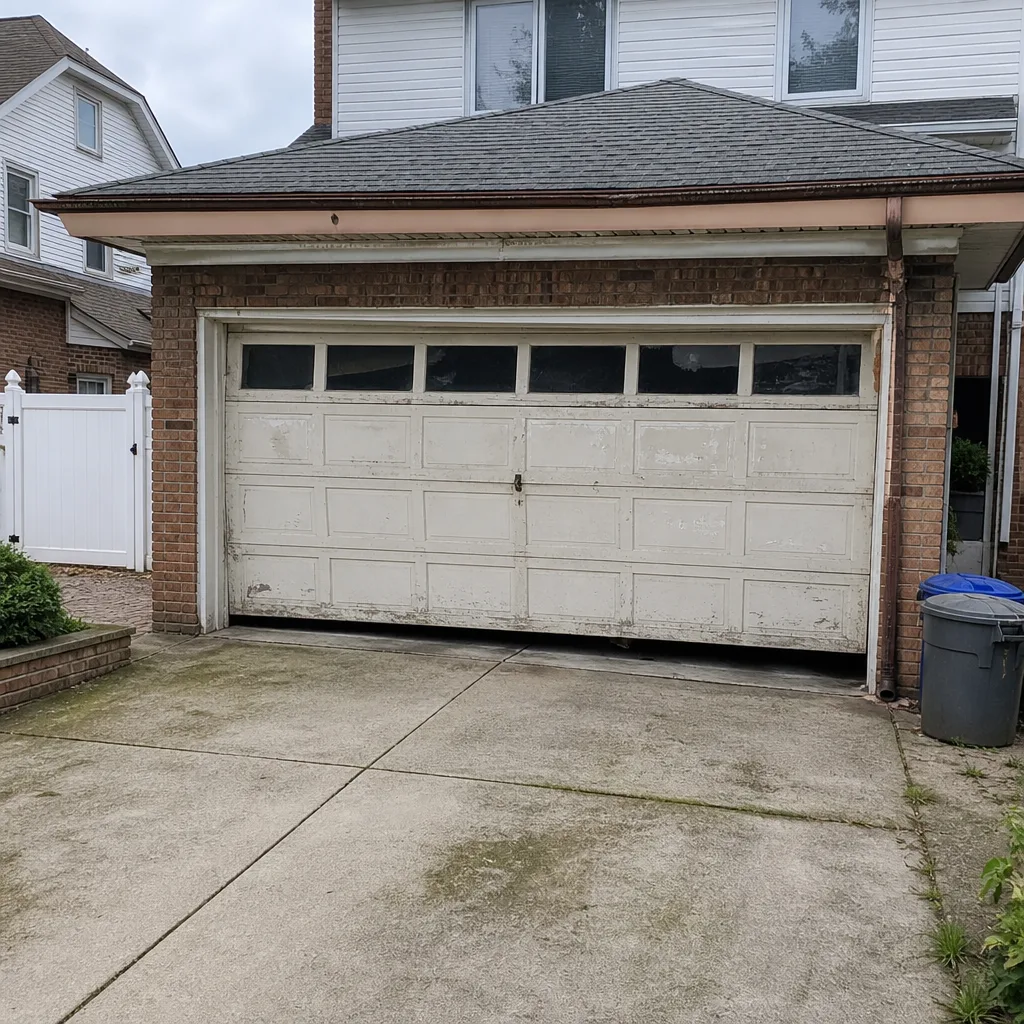 Before
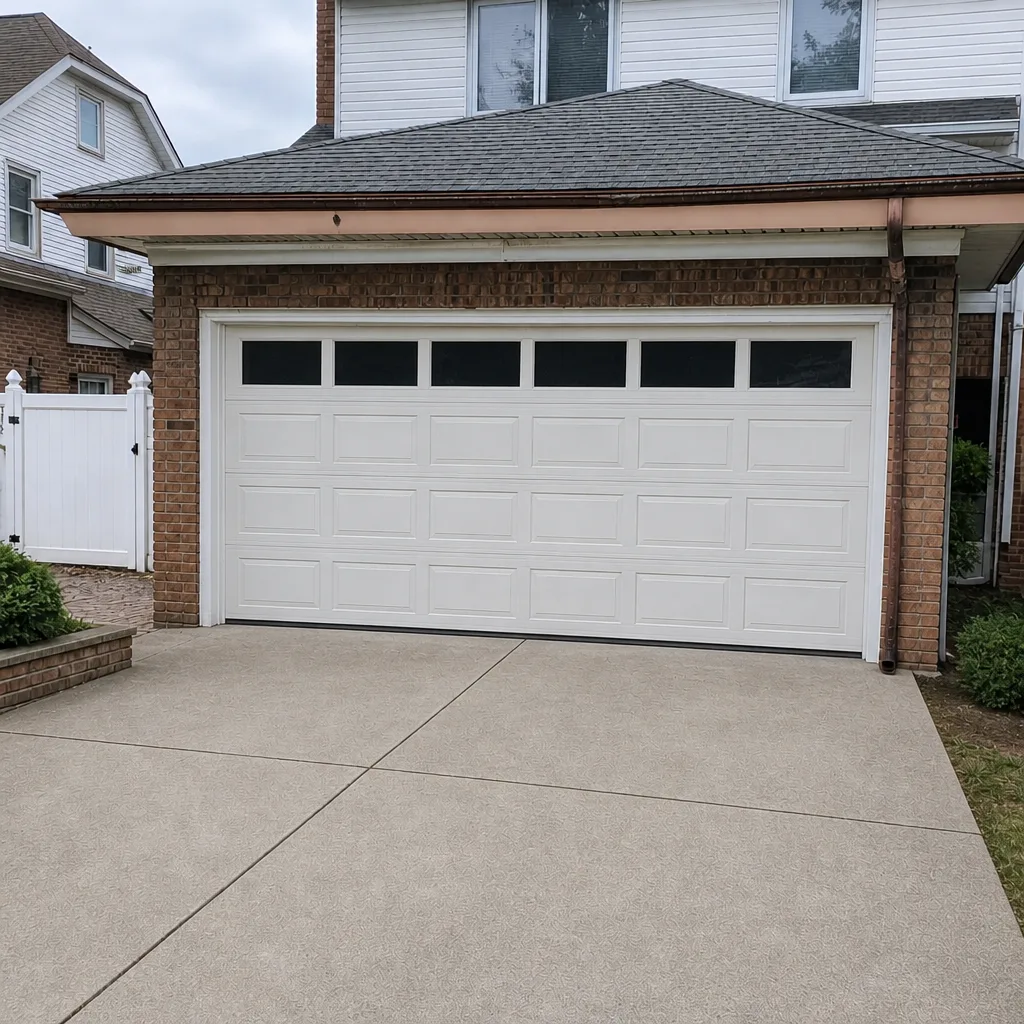 After
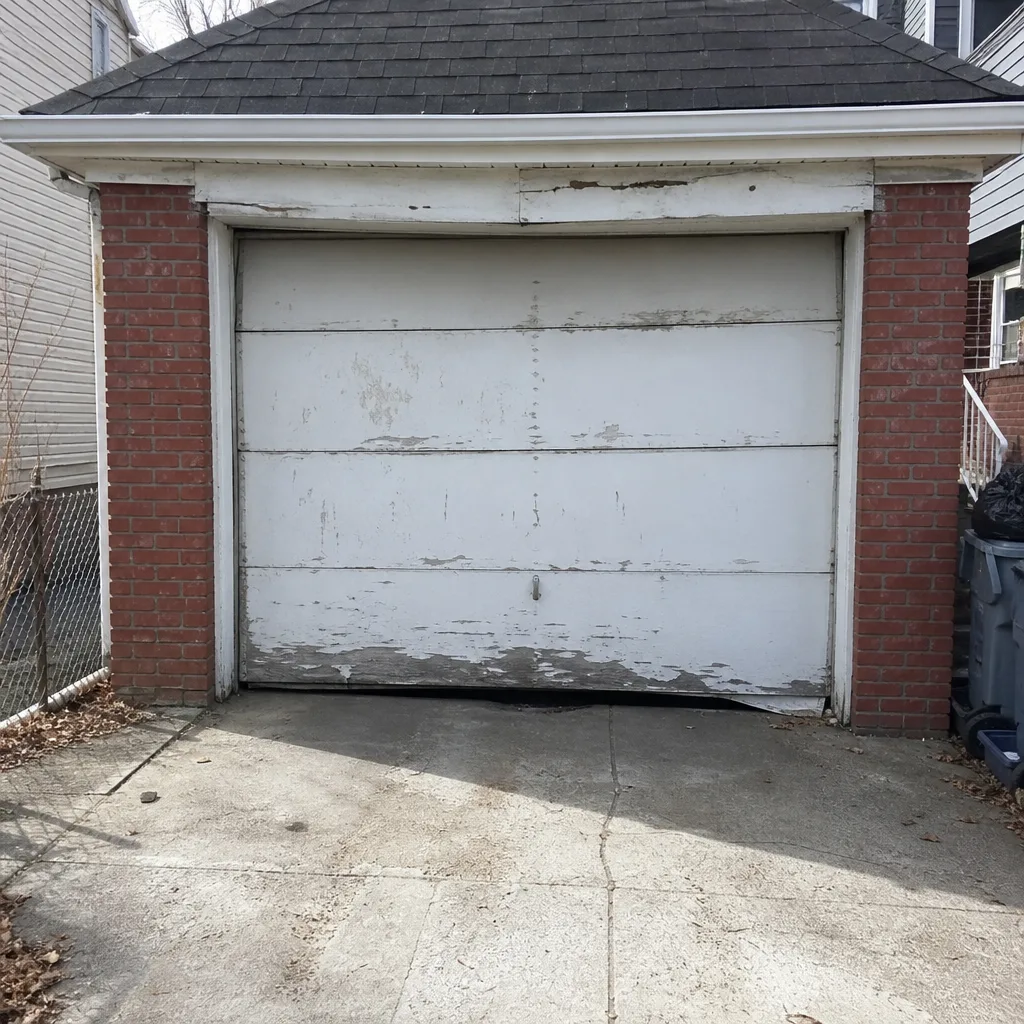 Before
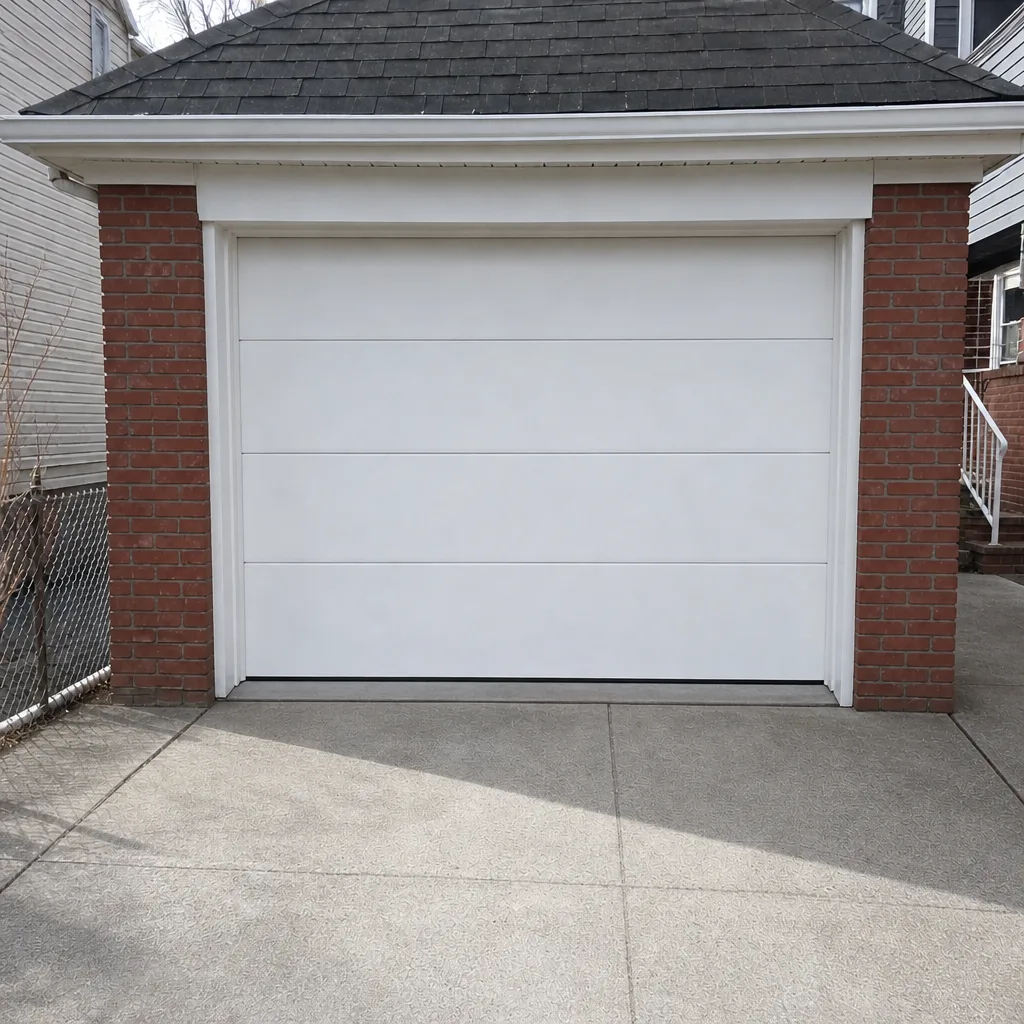 After
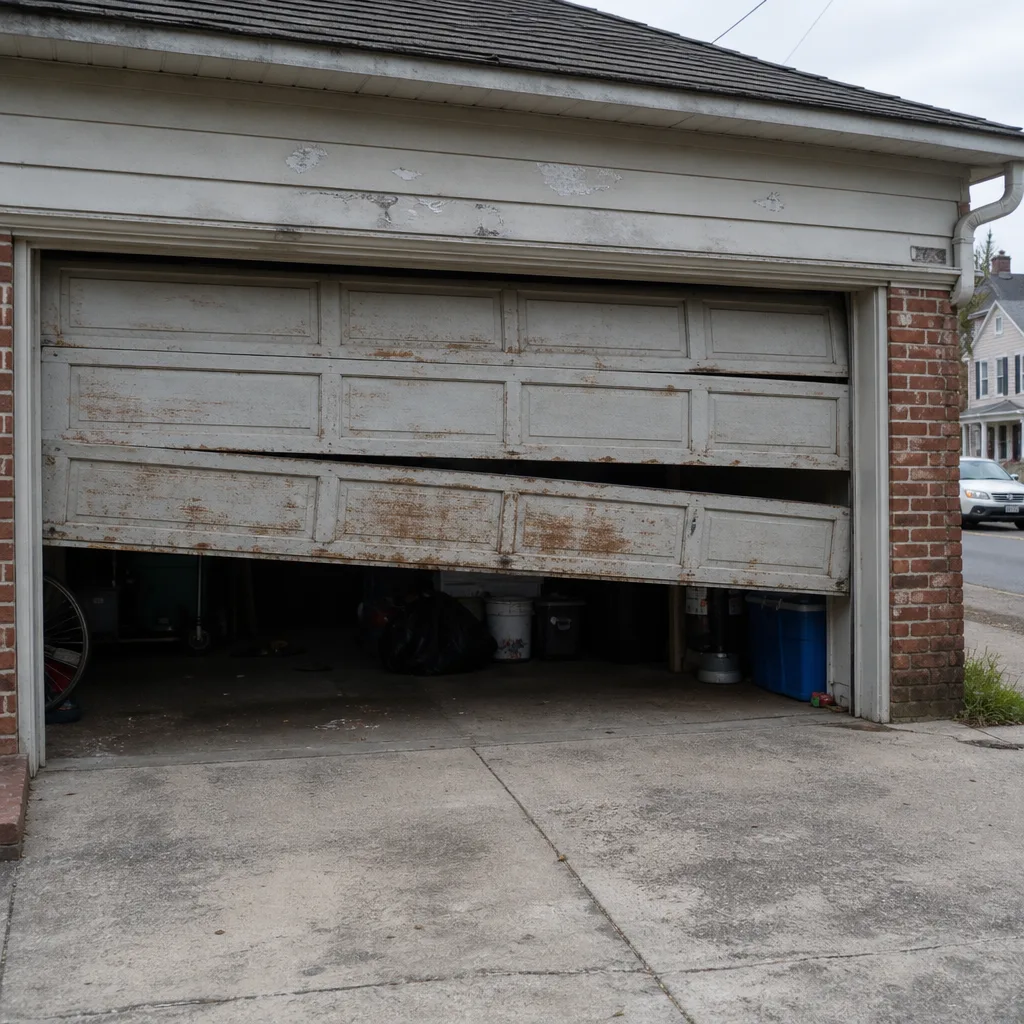 Before
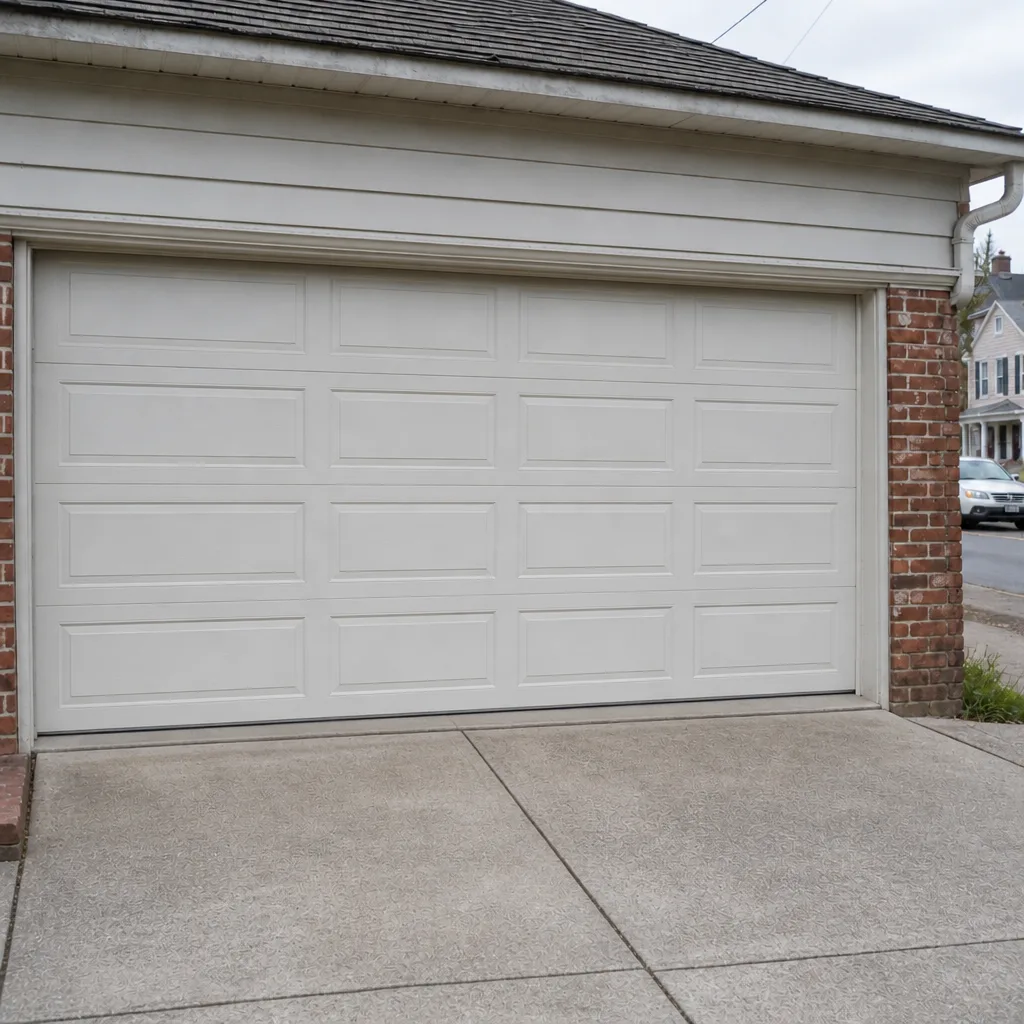 After
Common Mistakes to Avoid
- Assuming every replacement needs a permit. A true like-for-like swap in the same opening usually doesn’t, and waiting weeks for a filing you didn’t need delays a job that could have been finished in a day. Confirm before you file.
- Assuming no replacement needs a permit. Changing the door’s size, type, or weight class usually requires a filing, even when the contractor calls it a “replacement.” Size changes affect the structure of the opening.
- Letting a contractor define “like-for-like” for you. A different height, a different operation, or a heavier door on the existing header isn’t like-for-like, no matter how the invoice is worded. Ask specifically what’s changing.
- Ignoring fire separation in attached homes. Sheepshead Bay has plenty of homes where the garage shares a wall with living space. The door you pick has to fit that separation requirement, not just the opening.
- Not asking for the closed permit after work is done. The signed-off permit is the document a future buyer’s attorney will ask for. If you don’t have it, track down the filing before you need it.
- Skipping the balance and safety test on the inspection day. Auto-reverse and photo-eye failures are the most common inspection problems, and they’re avoidable when the installer tests them properly during the final walk-through.
- Choosing a door by price before confirming it fits the opening. An oversized or undersized door in the same track is not like-for-like and can sink the inspection after the door is already installed.
When to Call a Professional
Call a professional when the door has snapped a spring, when an opener is unresponsive, when the door is off its track, or when it won’t close at all. Those are safety and security situations, and a door that’s stuck open is an open home. Call a professional when you’re planning a replacement and you don’t know whether the work requires a permit. And call a professional when you’re selling and you don’t know whether the prior install was filed. Garage Door Repair Sheepshead Bay offers free estimates in Sheepshead Bay, with our technicians bringing up to 13 years of experience to the assessment; call (833) 954-3381 to set one up.
Frequently Asked Questions
It depends on what’s changing. A like-for-like replacement of the same size, type, and weight door, in the same opening, generally doesn’t require a permit in residential Brooklyn. Changing the size, type, or structural framing of the opening usually does, and it requires a filing with the NYC Department of Buildings. Call (833) 954-3381 for a free estimate and we’ll help you sort out which category your project fits.
No. Replacing torsion or extension springs, or swapping an opener, is maintenance and doesn’t require a permit. Springs are under tension, though, and that makes them a job for a trained technician with the right tools, not a tutorial. You can call us for spring work on the same visit as other repairs; estimates are free at (833) 954-3381.
Only if the job turns out to be different than described. We quote an estimated range before we come out, and if the assessment reveals something that changes the scope, we tell you before any work starts. The written estimate is the price. Call (833) 954-3381 for an exact quote in Sheepshead Bay; estimates are free.
Yes, and the most common reasons are photo-eye misalignment, auto-reverse failure, a door hung out of balance, or a mismatch between what was filed and what was installed. Those are avoidable when the installer tests the safety systems on-site and the filing matches the actual work. If you’ve inherited a failed inspection, call (833) 954-3381 and we can assess what’s needed.
It can. In homes where the garage shares a wall or is attached to living space, the door’s fire rating and construction have to match the separation requirement for that specific property. We can’t determine the rating from a photo, and anyone who claims to is guessing. Confirm the requirement with the city’s building department before ordering a replacement, or call (833) 954-3381 for a free estimate and we’ll walk through what to ask.
A buyer’s attorney will usually find the mismatch on the permit history during a title search, and the sale can pause while the seller either produces documentation or remediates. Remediation often means opening a new filing, having the work inspected, and correcting anything that fails. The cleanest prevention is asking for the closed permit when the original install is done. Call (833) 954-3381 if you need an assessment before listing.
The Bottom Line
The gap between a permit-free repair and a full DOB filing in Sheepshead Bay isn’t about the invoice total. It’s about whether the work changes the opening, the structure, or the door’s fire-separation role. Springs, openers, and true like-for-like swaps usually don’t require a filing. Size changes, type changes, and structural work usually do. Ask your contractor specifically what’s changing, and get the closed permit if a filing does happen, because it’s the document that protects you at the closing table. When a door is failing or you’re planning a replacement, call (833) 954-3381 for a free estimate. Our technicians have up to 13 years of experience, and we work on LiftMaster, Chamberlain, Genie, Clopay, Amarr, Wayne Dalton, Craftsman, and Raynor equipment.
Written by the team at Garage Door Repair Sheepshead Bay.