Last updated November 21, 2026
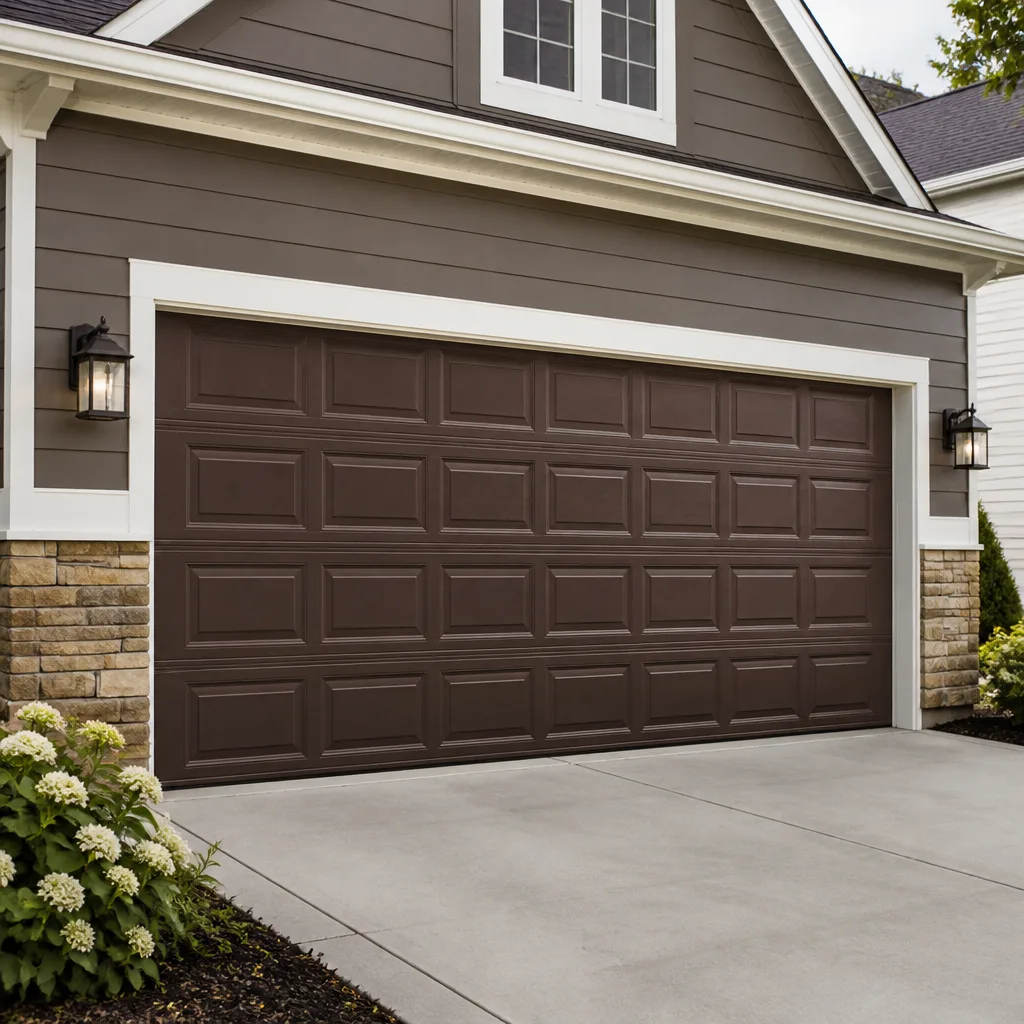 Raised-panel steel
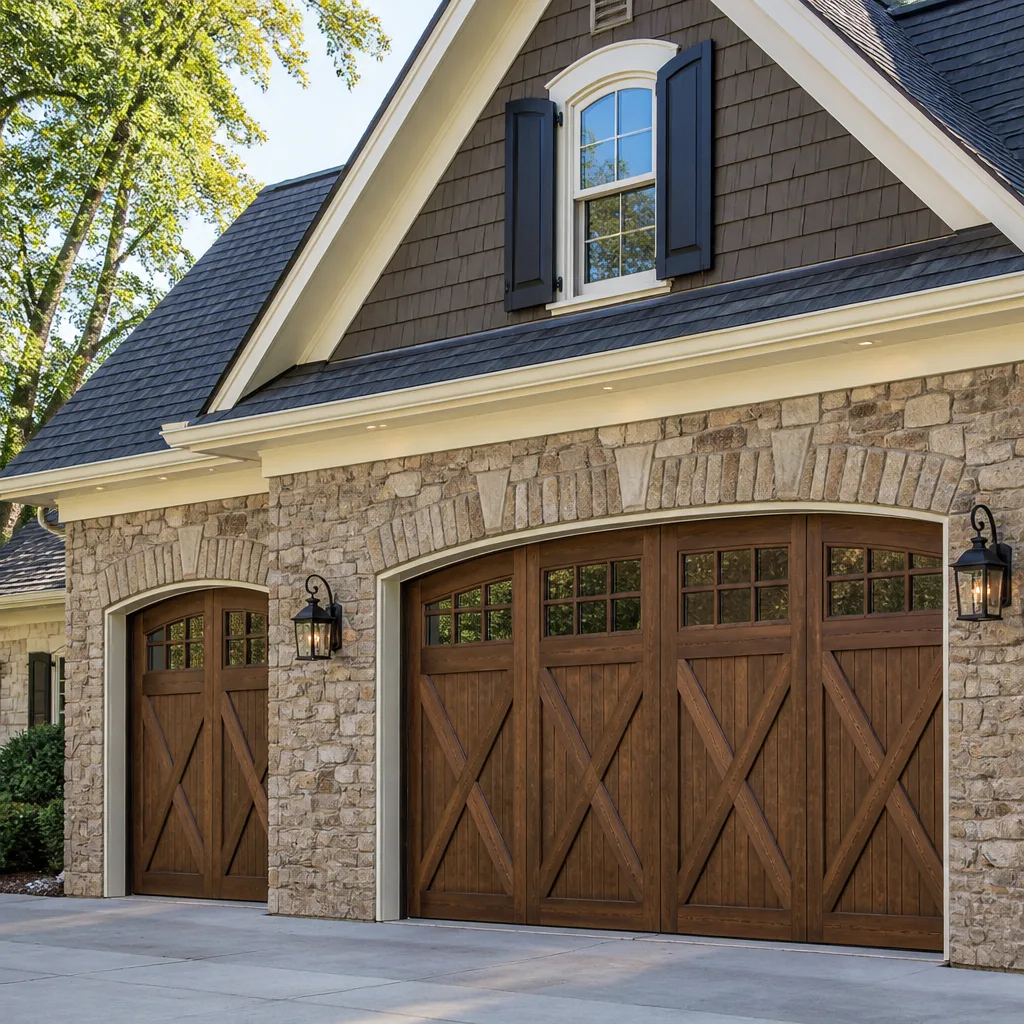 Carriage house
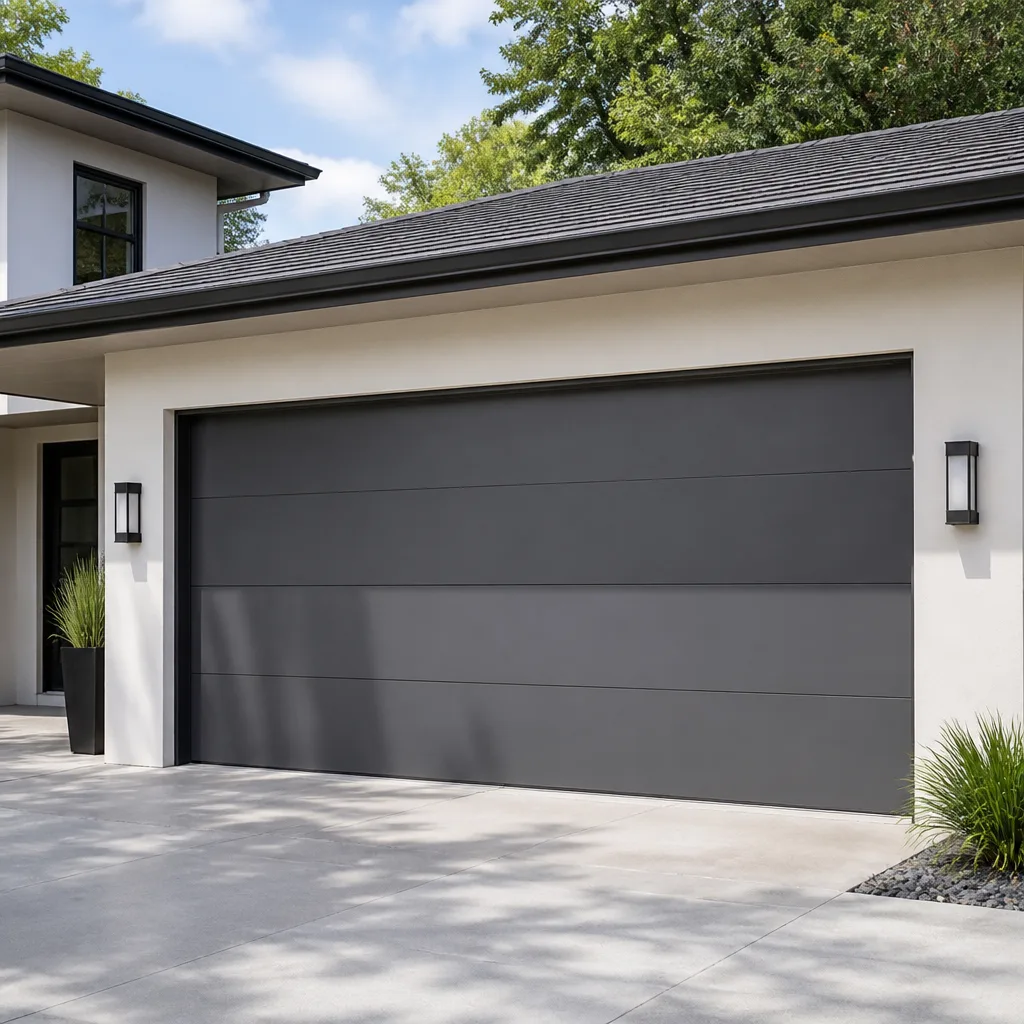 Modern flush
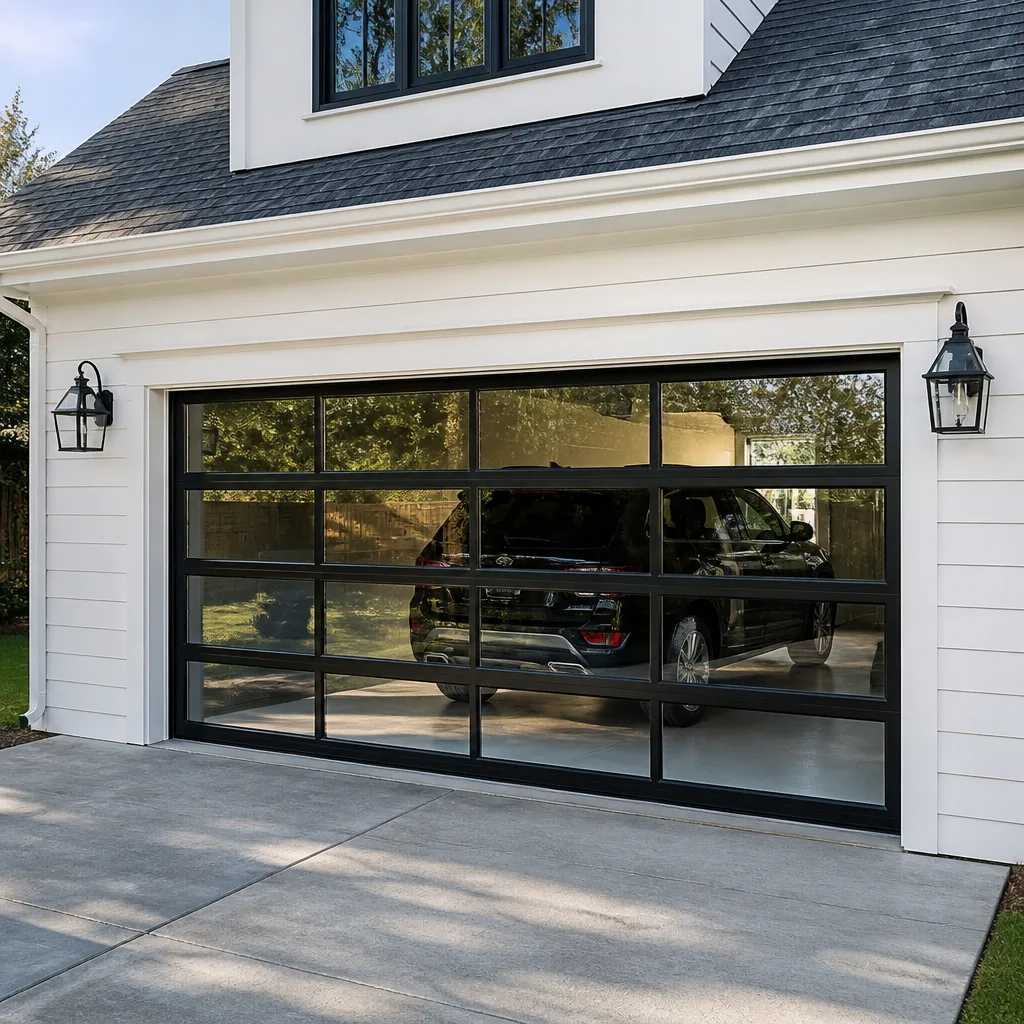 Full-view glass
 LiftMaster openers
 Chamberlain openers
Full 25-point door and opener safety check with every visit - springs, cables, rollers, tracks, and your LiftMaster or Chamberlain opener included
You get a price before we start. It does not change when the pro arrives.
Get your free estimateGarage Door Repair Maintenance Checklist for Sheepshead Bay Homeowners
Most garage door maintenance lists online treat a door like a lawnmower: oil the chain, sweep the tracks, check the rollers, done. That’s busywork. In our experience across Sheepshead Bay, the calls that come in at 7 a.m. with a car stranded and a door that won’t budge trace back to the same handful of neglected parts again and again. Almost none of them appear on a generic checklist. This guide ranks the real failure points by how often they cause breakdowns in this neighborhood, tells you which jobs a homeowner can safely do in five minutes, and marks the red-line signs that mean stop and call. You’ll also learn which lubricants actually survive the humidity here and how to spot corrosion before it becomes a snapped spring.
Quick Answer
The highest-value garage door maintenance for a Sheepshead Bay home is checking springs and cables for rust and stretch, lubricating hinges, rollers, and the torsion shaft with a humidity-resistant product, and testing the safety reverse monthly. Most emergency breakdowns come from three neglected parts: torsion springs, bottom brackets, and opener drive gears. A five-minute monthly walk-around catches the early warning signs; springs, cables, and brackets need a technician’s eye twice a year.
Styles & brands we work with
- Raised-panel steel
- Carriage house
- Modern flush
- Full-view glass
- LiftMaster openers
- Chamberlain openers
Table of Contents
- The Ranked Maintenance List: What Actually Breaks First
- The 5-Minute Monthly Check (Safe for Homeowners)
- The Twice-Yearly Jobs That Need a Technician’s Eye
- Lubrication That Survives Sheepshead Bay Humidity
- Reading Corrosion on Springs, Hinges, and Bottom Brackets
- Opener and Smart-System Maintenance
- Red-Line Indicators: Monitor vs. Call Now
- Building a Yearly Schedule That Fits This Climate
The Ranked Maintenance List: What Actually Breaks First
Generic checklists are alphabetical or seasonal. That’s the wrong order. What matters in Sheepshead Bay is which part fails most often and which failure leaves you stuck. Ranked by the frequency we see in service calls, the order goes like this:
- Torsion springs. The number one cause of a door that won’t open at all. Springs cycle thousands of times a year and lose tension before they snap. At 7 a.m., a snapped spring means no way in or out through the garage.
- Bottom brackets and cables. The second most common emergency. A cable that jumps the drum or a bracket that pulls loose takes the door off balance and often off track.
- Opener drive gears and logic boards. The third call magnet, especially on older units that have never been serviced. A dead opener on an otherwise healthy door is a security issue if the door is stuck open.
- Rollers and hinges. These rarely fail outright but wear into a noisy, sluggish door that strains the opener and eventually triggers a breakdown.
- Tracks and alignment. Usually a consequence of one of the above, but worth checking because a bent track will stop a door cold.
- Weather seals and bottom rubber. Not an emergency, but a Sheepshead Bay winter with a torn bottom seal lets water and cold in and corrodes what’s behind it.
Notice what’s near the bottom: the lube-and-sweep tasks most lists lead with. They matter for longevity, but they don’t stop the 7 a.m. call. Springs, brackets, and the opener do. That’s why this checklist puts them first. When we handle garage door repair in the neighborhood, the pattern holds call after call.
Why the Order Is Different Here
Sheepshead Bay’s humidity swings from muggy summers to cold, damp winters, and that cycle works hard on anything under tension. Springs and steel brackets live outdoors in a garage that’s often unheated and exposed, so they see the worst of the moisture. A door in a drier climate might get more years before a spring goes. Here, the springs are the component to watch. That’s the single biggest shift from a generic checklist, and it changes what you check first.
The 5-Minute Monthly Check (Safe for Homeowners)
This is the part you can and should do yourself, every month, in about five minutes. It’s visual and hands-off. You’re looking and listening, not adjusting anything under load.
- Look at the springs. From the floor, check the torsion spring above the door or the extension springs along the sides. Note any rust, gaps in the coil, or a stretched, uneven look. Don’t touch them; just record what you see.
- Scan the cables and drums. Look for frayed strands, kinks, or a cable that looks slack or misaligned on the drum. Never handle a cable under tension.
- Test the safety reverse. Lay a flat object like a roll of paper towels under the door and close it. The door should reverse on contact. Check the photo-eye sensors by waving a hand through the beam.
- Listen to the door. Run it up and down once. Grinding, squealing, or a door that shudders means rollers, hinges, or alignment need attention.
- Check balance by eye. With the door about halfway open and the opener disengaged, watch whether it drifts down on its own. You’re not lifting anything; you’re watching. If it sinks, the springs are losing tension.
That’s it. No tools, no lifting, nothing under spring tension. What you’re producing is a record: what looked fine in January, what’s starting to show rust by July. Over a season or two, that record tells you when a part is heading toward failure before it strands you. Call (833) 954-3381 if anything on this list looks off and you want a professional read on it.
The Twice-Yearly Jobs That Need a Technician’s Eye
Some maintenance simply doesn’t belong in a homeowner’s hands. Torsion springs hold enough stored energy to injure seriously, and the cables and bottom brackets are under the same load. A trained technician has the winding bars, the spring-load know-how, and the tools to work on these parts safely. The twice-yearly visit should cover:
- Spring tension and cycle assessment. Measuring whether the springs are holding their rated load or have sagged toward failure.
- Cable and drum inspection under controlled conditions. Checking for fraying and proper seating that you can’t safely assess from the floor.
- Bracket torque and fastener check. Bottom brackets, hinges, and the torsion shaft mounting all work loose over time.
- Roller and hinge wear. Deciding which rollers are worn enough to replace before they chew up the track.
- Track alignment and door balance. The kind of measurement that tells you whether the opener is fighting a heavy door.
- Opener force and travel settings. Confirming the opener isn’t overworking because of a door that’s gone out of balance.
Twice a year is the right cadence for a Sheepshead Bay door because the seasonal moisture load changes twice: heading into the humid stretch and heading into the cold. A technician who looks at the door in both conditions catches corrosion and tension loss at the point they’re cheap to fix. If a part is worn, trained technicians carry the right torsion and extension spring inventory to handle it on the same visit rather than booking a second trip. Our technicians have up to 13 years of experience reading exactly these signs.
Lubrication That Survives Sheepshead Bay Humidity
Here’s where cheap shortcuts cost you. The standard advice is “use WD-40,” and that’s the wrong call for a garage door in this climate. Standard WD-40 is a light solvent, not a lasting lubricant. It thins out, attracts grit, and washes away in a humid summer, leaving hinges and rollers drier than before. What holds up against Sheepshead Bay humidity is a purpose-made garage door lubricant: a silicone-based spray or a lithium grease designed for the job. Those stay put through damp spells and don’t gum up in the cold.
What to lubricate, and what to leave alone:
- Lubricate: hinges at the pivot points, metal rollers (the bearings, not the wheels), the torsion shaft bearings, and the lock if you have one.
- Leave alone: the tracks. Tracks should be clean and dry. Grease on a track collects grit and grinds the rollers. Wipe them with a dry cloth instead.
- Never lubricate: nylon rollers. They’re self-lubricating and grease just attracts dust.
- Springs: a light application on an exposed extension spring is fine; a torsion spring is a technician’s job to touch.
The right product goes on maybe twice a year, more often if the door sees heavy daily use. A door that’s quiet after lubing and noisy again in a month is telling you the product washed out, or the rollers are worn past the point where grease helps. When we look at an opener and door together during garage door opener repair, we check the lube situation because a dry, dragging door shortens the opener’s life.
Reading Corrosion on Springs, Hinges, and Bottom Brackets
Corrosion is the slow failure that turns into a fast one. In a damp climate, rust creeps into the coils of a spring, the pivot of a hinge, and the steel of a bottom bracket long before anything visibly breaks. Left alone, a rusted spring loses strength and snaps; a corroded bracket weakens at the point that holds the cable. Catching it early is one of the highest-return things you can do, and it doesn’t need tools.
A basic inspection pass, done monthly along the rest of the check:
- Springs: look for orange-brown discoloration between the coils and any flaking. Surface rust is worth watching; deep pitting or a visible crack means stop.
- Hinges: check the pivot points and the metal plate for bubbling paint or rust streaks. A little corrosion there is monitor-and-lube; heavy rust or a hinge that squeals despite lubrication means it’s wearing.
- Bottom brackets: the steel plates at the bottom corners. Look for rust blooming around the fasteners and any sign the metal is thinning.
- Cables: rust-stained strands or a fuzzy look mean the cable is corroding and needs replacing before it fails.
Rust on a hinge is a maintenance note. Rust on a spring or a bottom bracket is a reason to get a professional to look before the season turns. If you see a crack, a gap in a coil, or heavy pitting, treat it as a red line and call. We can look at what you’re seeing and tell you whether it’s a monitor item or a replacement job.
Opener and Smart-System Maintenance
Today’s openers are small computers, and they need a different kind of attention than the door itself. A LiftMaster or Chamberlain unit with Wi-Fi and app control runs firmware, holds force and travel settings, and connects to your phone. Skip that maintenance and you get the classic “the door works from the wall button but not the app” call. A little upkeep keeps the smart layer functioning, not just the metal.
What to check on the opener side:
- Force and travel settings. Over time these drift. An opener set too high strains the door and the motor; too low and it stops mid-travel. This is a technician adjustment.
- Safety reverse and photo-eye alignment. The monthly test above covers this. A misaligned sensor is the most common reason a door won’t close.
- Battery backup. If the opener has a backup battery, check it holds a charge. A dead backup matters when the power goes out and the door is your main entry.
- App and Wi-Fi connection. Reconnect or re-pair if the app drops the opener. Firmware updates reset settings unexpectedly on some units.
- Drive gear and rail. Listen for grinding that suggests the drive gear is wearing. On a chain or belt drive, worn gears are a common end-of-life failure.
One opener maintenance tip people miss: if the door itself is out of balance, the opener works harder and dies sooner. Fix the door and the opener lasts. We repair across the major smart and traditional platforms, including LiftMaster, Chamberlain, Genie, and Craftsman, so a Wi-Fi opener and an older belt-drive unit both get proper diagnosis.
Red-Line Indicators: Monitor vs. Call Now
Sorting “you have time” from “call now” is the skill that saves homeowners the most trouble. Here’s how the checklist items break down into red lines and monitor signals.
- Snapped torsion spring (a clear gap in the coil): red line. Do not run the door. Call now.
- Frayed, kinked, or slack cable: red line. Don’t touch it; it’s under load.
- Cracked or heavily pitted spring: red line. It’s on its way to a snap.
- Door off track or hanging crooked: red line. Stop using the opener and call.
- Opener hums but door doesn’t move: red line if the door’s stuck; a sign the opener or a spring has failed.
- Light surface rust on hinges or rollers: monitor and lubricate.
- Squeaky door that still balances and closes fully: monitor; schedule a lube and roller check.
- Fading app connection or a worn battery backup: monitor; address on the next service.
The through-line: anything under spring or cable tension is a red line the moment it looks wrong. Anything cosmetic or drive-train related can usually wait for a scheduled visit. Call (833) 954-3381 if you’re unsure which side of the line a symptom falls on. Free estimates make it easy to get a straight answer.
Building a Yearly Schedule That Fits This Climate
Sheepshead Bay’s year has two moisture-heavy stretches and two transition periods, and a sensible maintenance schedule follows them rather than the calendar page. Here’s what we suggest homeowners group their maintenance around:
- Early spring (before the humid season): full technician service to check springs, cables, brackets, and balance, plus a fresh lubrication of hinges and rollers. You want the door healthy going into the damp stretch.
- Monthly, year-round: the five-minute visual check and safety reverse test.
- Mid-summer: another lubrication pass and a corrosion look, since humidity is at its peak. Reconnect or re-check the opener app if it’s drifted.
- Early fall (before the cold): second technician service, focused on springs and cables going into winter, plus weather-seal and bottom-rubber inspection so cold and water stay out.
- Winter, as needed: watch for a slow or stuck door in cold snaps, which is when a weakened spring finally gives.
Pair the two technician visits with the two seasonal moisture shifts and you’re covering the biggest risk windows. If a door’s on its last legs and a replacement makes more sense than another round of repairs, that assessment fits the same visit. We handle garage door installation as well, so a tired door gets a straight repair-or-replace read rather than a separate trip to a different company. Brand fluency matters here too: whether your door is a Clopay, Amarr, or Wayne Dalton, and your opener a Raynor or Craftsman unit, we work on your brand without sending you elsewhere. A full overview of what we do lives on our garage door repair Sheepshead Bay page.
Common Mistakes to Avoid
- Reaching for WD-40 as a lubricant. It thins out and attracts grit in humid weather, leaving parts drier than before. Use a silicone or lithium garage door lubricant instead.
- Greasing the tracks. Tracks should stay clean and dry. Grease collects grit and grinds the rollers, which is the opposite of what you want.
- Ignoring a single quiet squeak for months. A squeal that comes right back after lubrication usually means a worn roller or hinge, not a lube problem. Waiting lets it strain the opener.
- Testing a door balance by lifting it yourself. With a spring under tension, that’s a good way to get hurt. Watch from the floor instead and let a technician handle any disengagement.
- DIY spring replacement. Torsion springs hold serious stored energy, and the winding process is the single most dangerous job on the door. Springs require a trained technician, not a tutorial.
- Treating a stuck-open door as a small thing. In Sheepshead Bay, a garage is often the main way into the house, so a door that won’t close leaves the home open. That’s an emergency, not a next-week item.
- Skipping the safety reverse test. It’s the one check that protects kids and pets, and it takes thirty seconds. A door that doesn’t reverse needs fixing before someone gets hurt.
See the difference
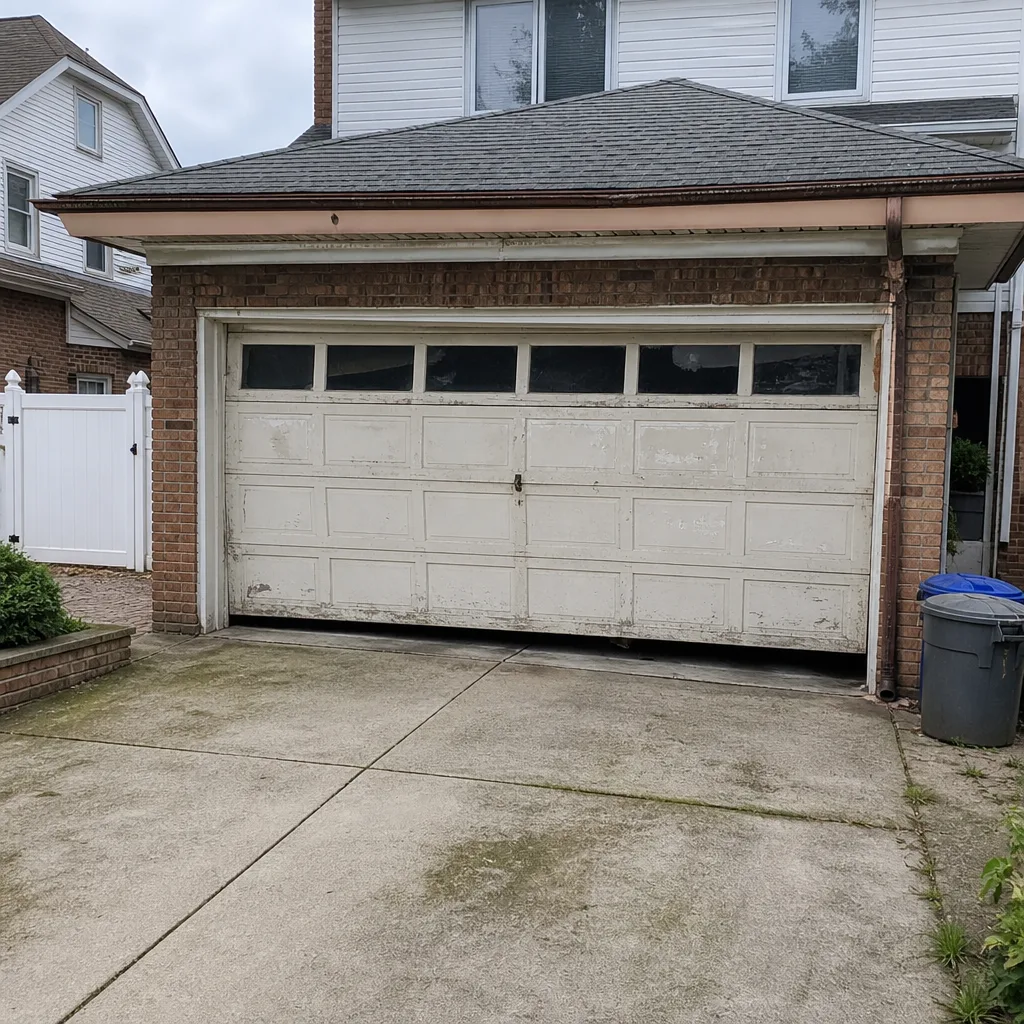 Before
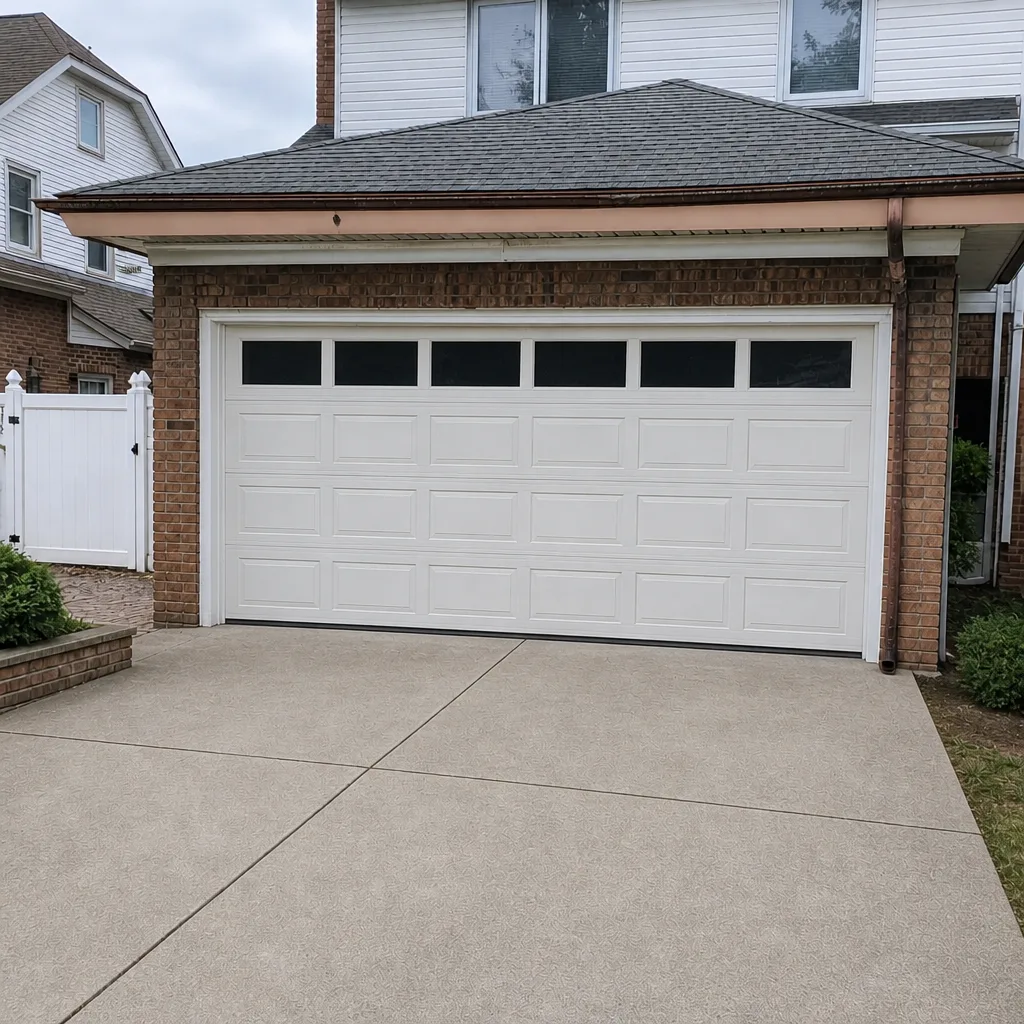 After
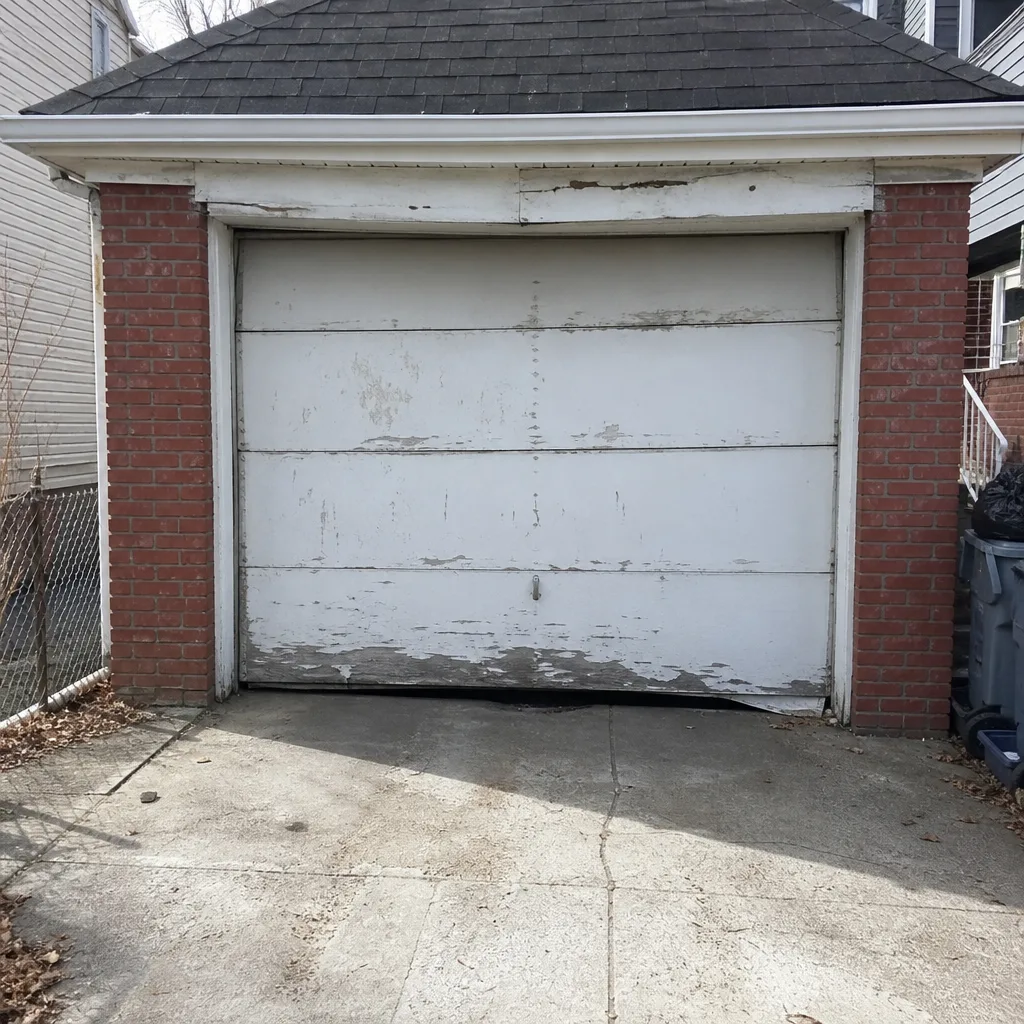 Before
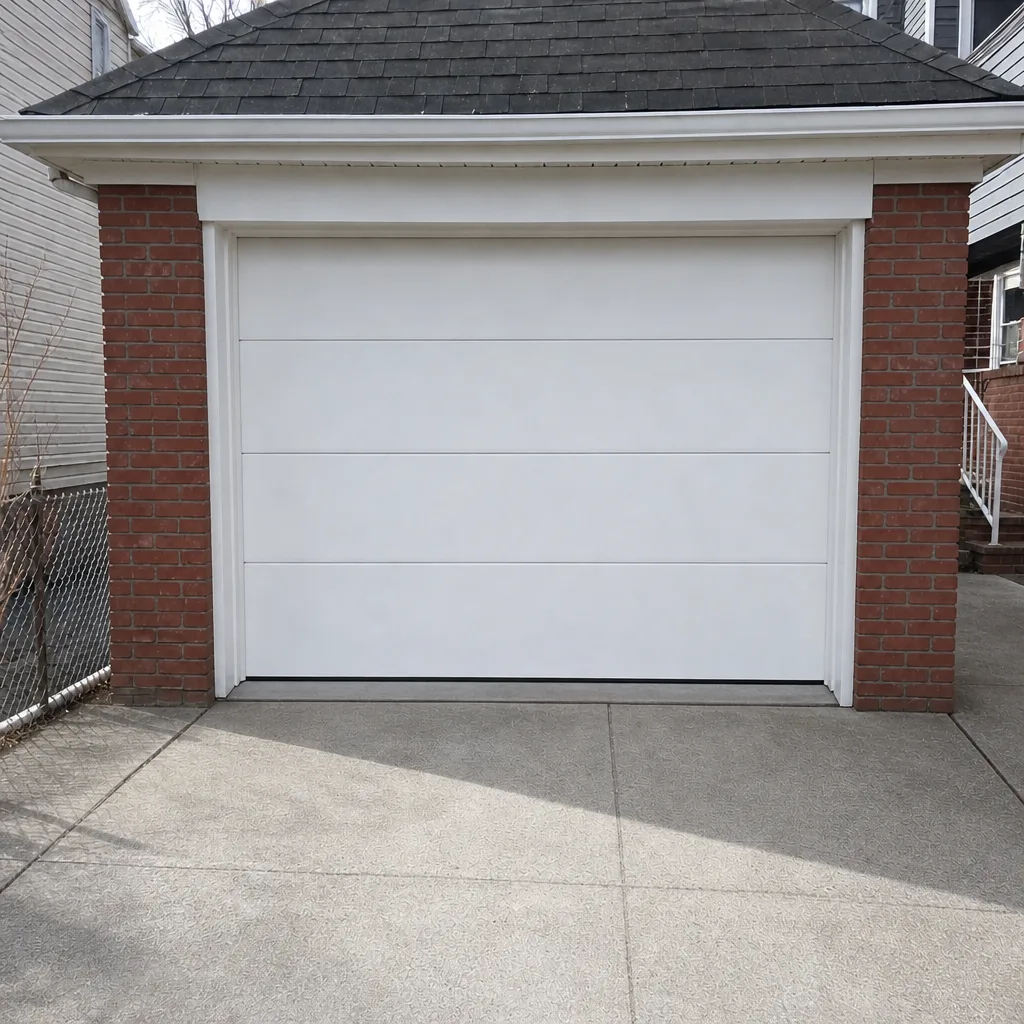 After
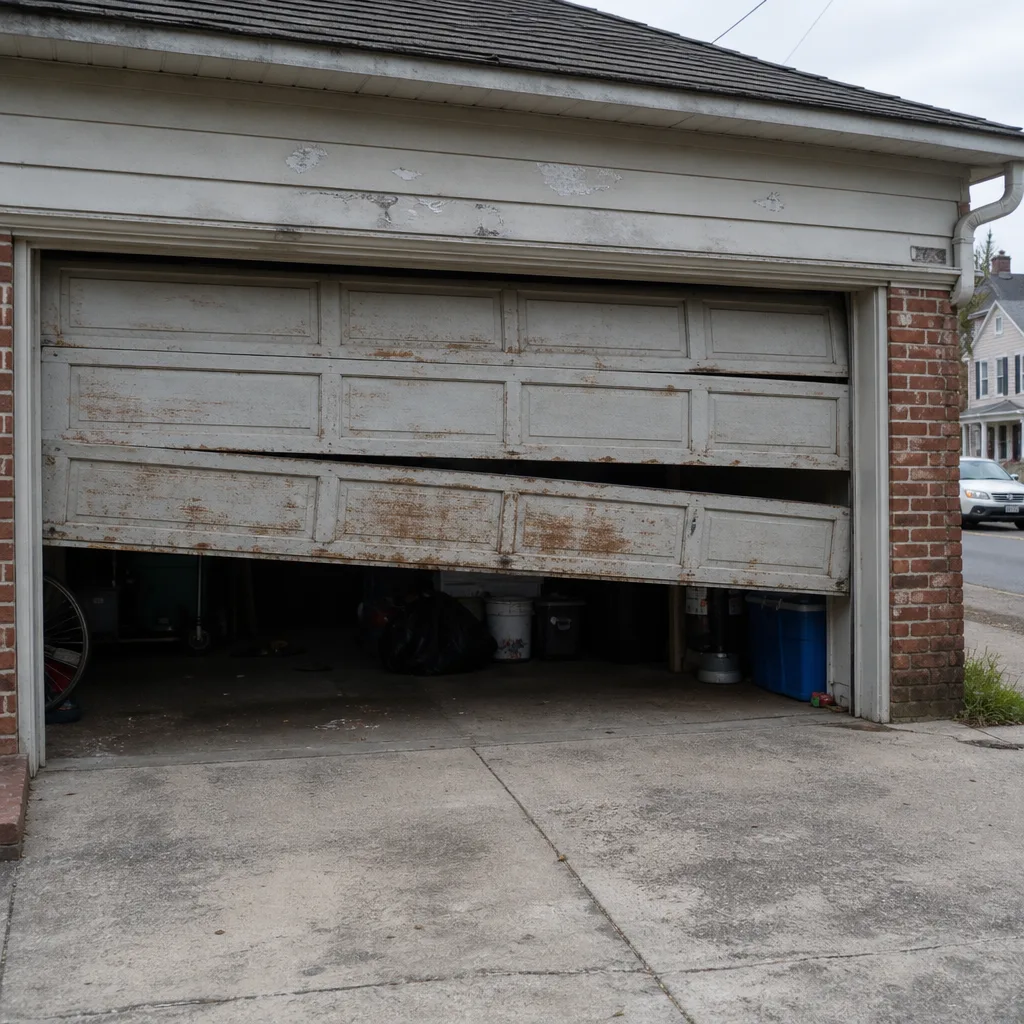 Before
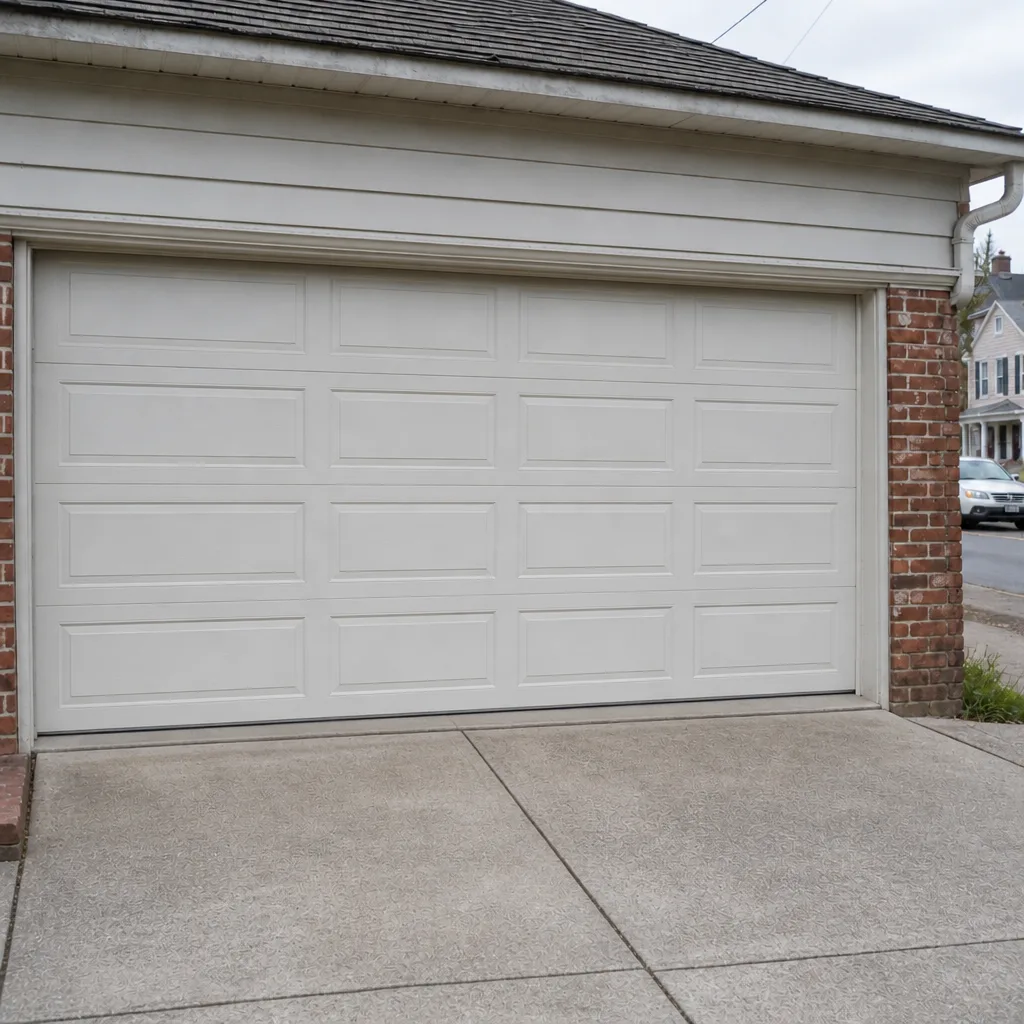 After
When to Call a Professional
Call a professional the moment anything under spring or cable tension looks wrong: a snapped spring, a frayed or slack cable, a cracked coil, or a door off track. Stop using the opener first. Same for a dead opener on a door stuck open, since that’s a security problem in any Sheepshead Bay home where the garage is the main entry. A door that reverses badly, drags heavily, or won’t balance needs a technician’s eye before a smaller failure turns into a bigger one. Emergency service is a real option for the situations that can’t wait, not a scheduling promise for a future slot. Garage Door Repair Sheepshead Bay offers free estimates in Sheepshead Bay – call (833) 954-3381. The price is quoted and agreed before any work starts, so the written estimate sets the final price.
Frequently Asked Questions
Do a five-minute visual check and safety-reverse test monthly, and book a technician service twice a year, before the humid season and before the cold. The twice-yearly visits catch spring and cable wear at the point it’s cheap to fix. Call (833) 954-3381 to schedule a free estimate.
Yes, for the hinges, metal rollers, and torsion shaft bearings, using a silicone or lithium garage door lubricant rather than standard WD-40. Leave the tracks dry and never touch a torsion spring. If you’re unsure which part needs what, call (833) 954-3381.
A door that won’t stay up on its own, rust and pitting between the coils, or a loud bang followed by a door that won’t open all point to a failing spring. Any of these is a red line. Stop using the door and call (833) 954-3381.
Warranty coverage depends on the parts and the work, and we’ll spell out what applies to your job in the written estimate before anything starts. You’ll know the terms along with the price up front. Call (833) 954-3381 for details specific to your door.
If the opener grinds, hums without moving the door, or drops its Wi-Fi and app connection repeatedly, it usually needs repair rather than replacement. A technician can diagnose a LiftMaster, Chamberlain, Genie, or Craftsman unit on-site and tell you which path makes sense. Call (833) 954-3381.
Yes. Damp summers and cold winters work on anything under tension, so springs and steel brackets rust and lose strength faster than in a dry climate. That’s why the checklist here puts corrosion checks and humidity-resistant lubrication near the top. Call (833) 954-3381 if you want a professional look.
The Bottom Line
The maintenance that prevents the 7 a.m. emergency isn’t the long generic list; it’s the short, ranked one. Watch your springs, cables, and bottom brackets for rust and tension loss, test the safety reverse every month, lubricate hinges and rollers with a product that survives Sheepshead Bay humidity, and book a technician twice a year around the seasonal moisture shifts. Treat anything under spring tension as a red line. Skip the busywork, do the checks that matter, and a stuck door becomes a solved problem before it starts. For any of it, call (833) 954-3381 for a free estimate.
Written by the team at Garage Door Repair Sheepshead Bay.