Last updated November 21, 2026
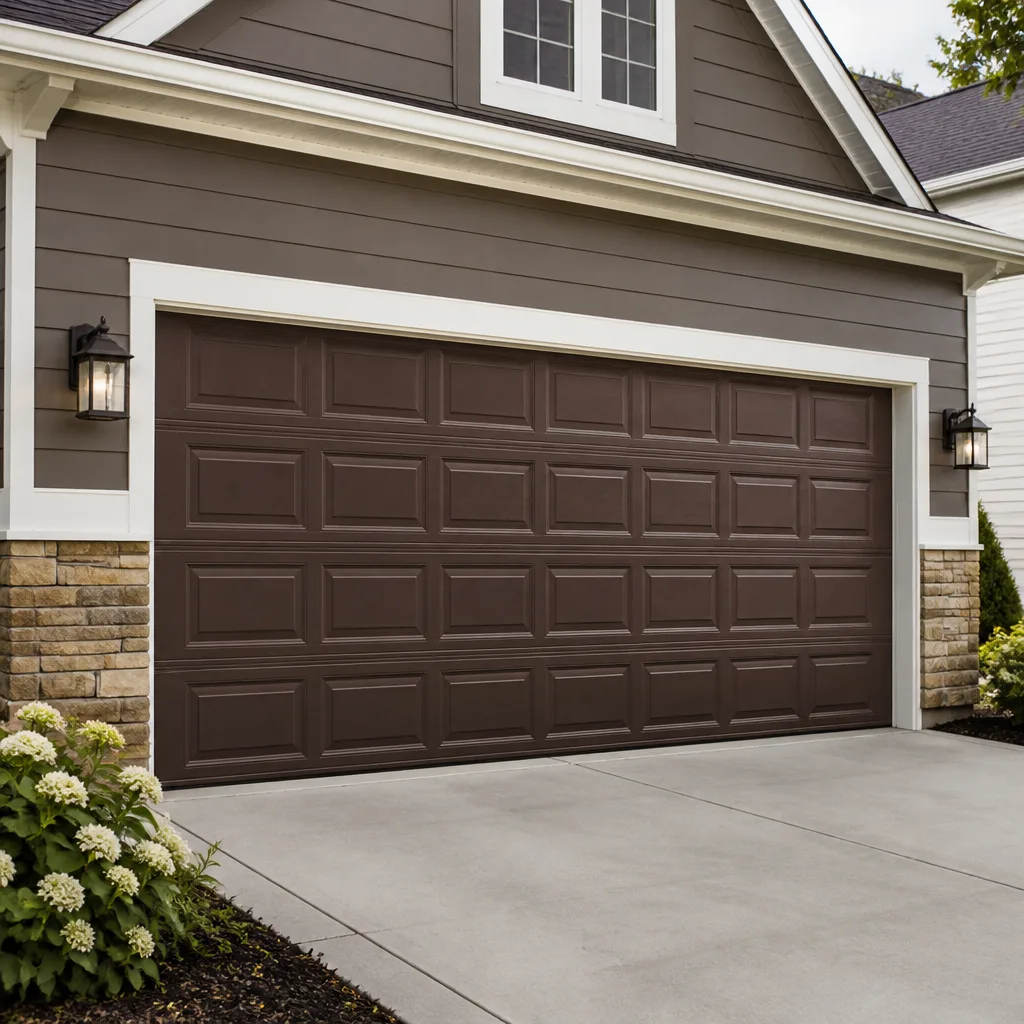 Raised-panel steel
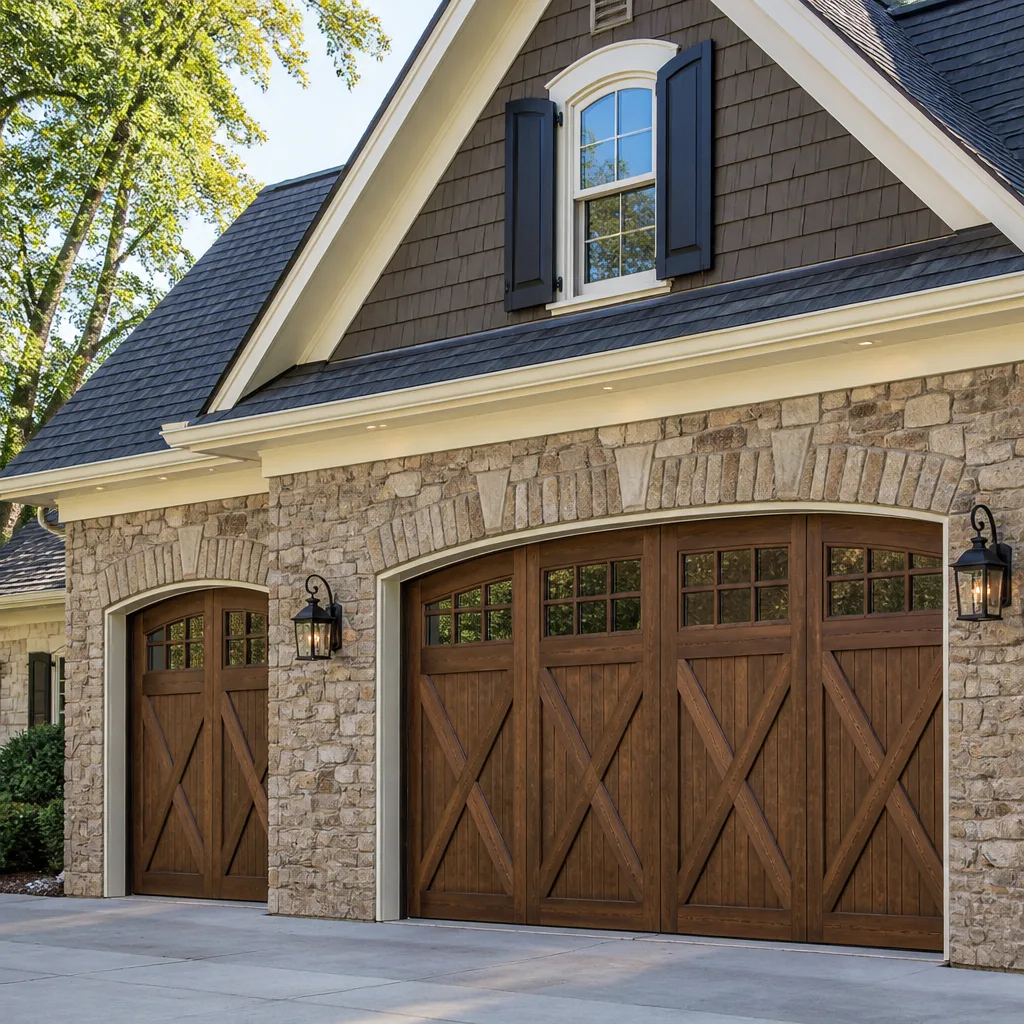 Carriage house
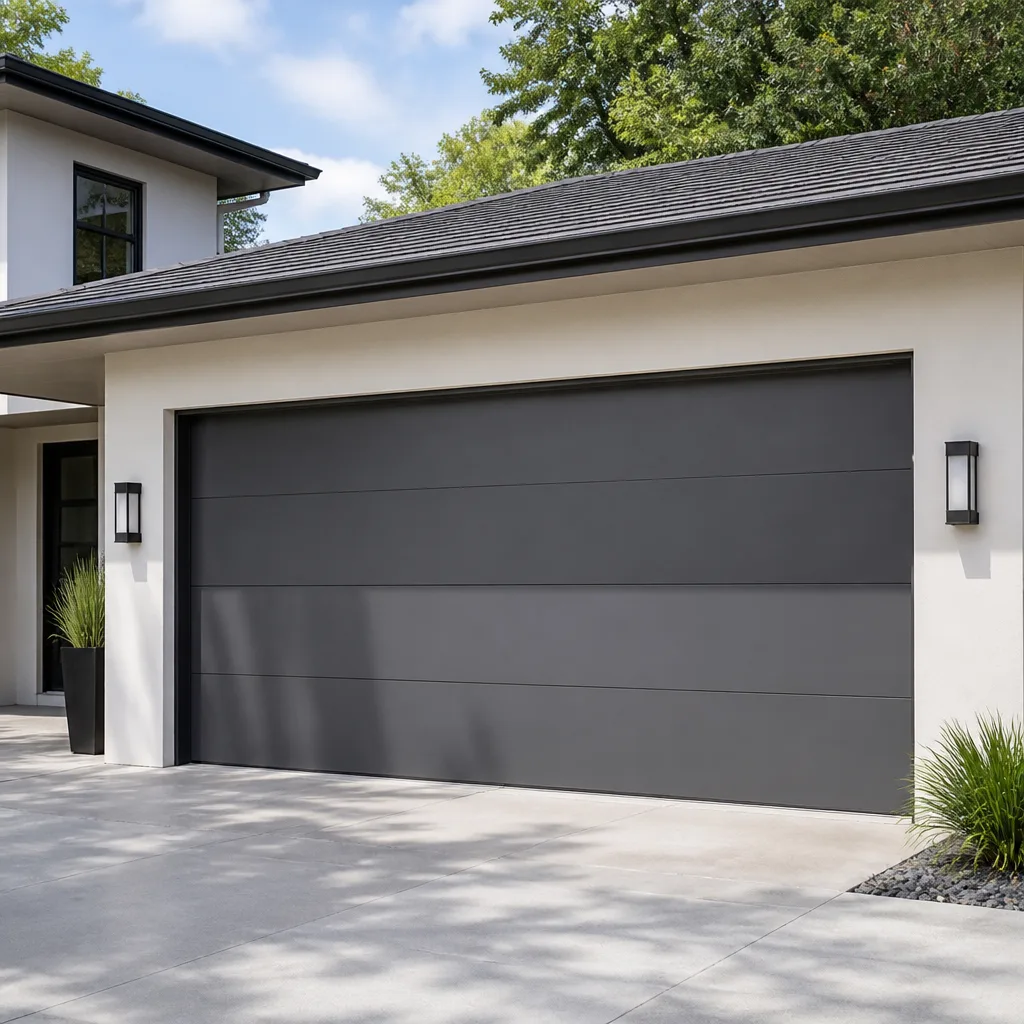 Modern flush
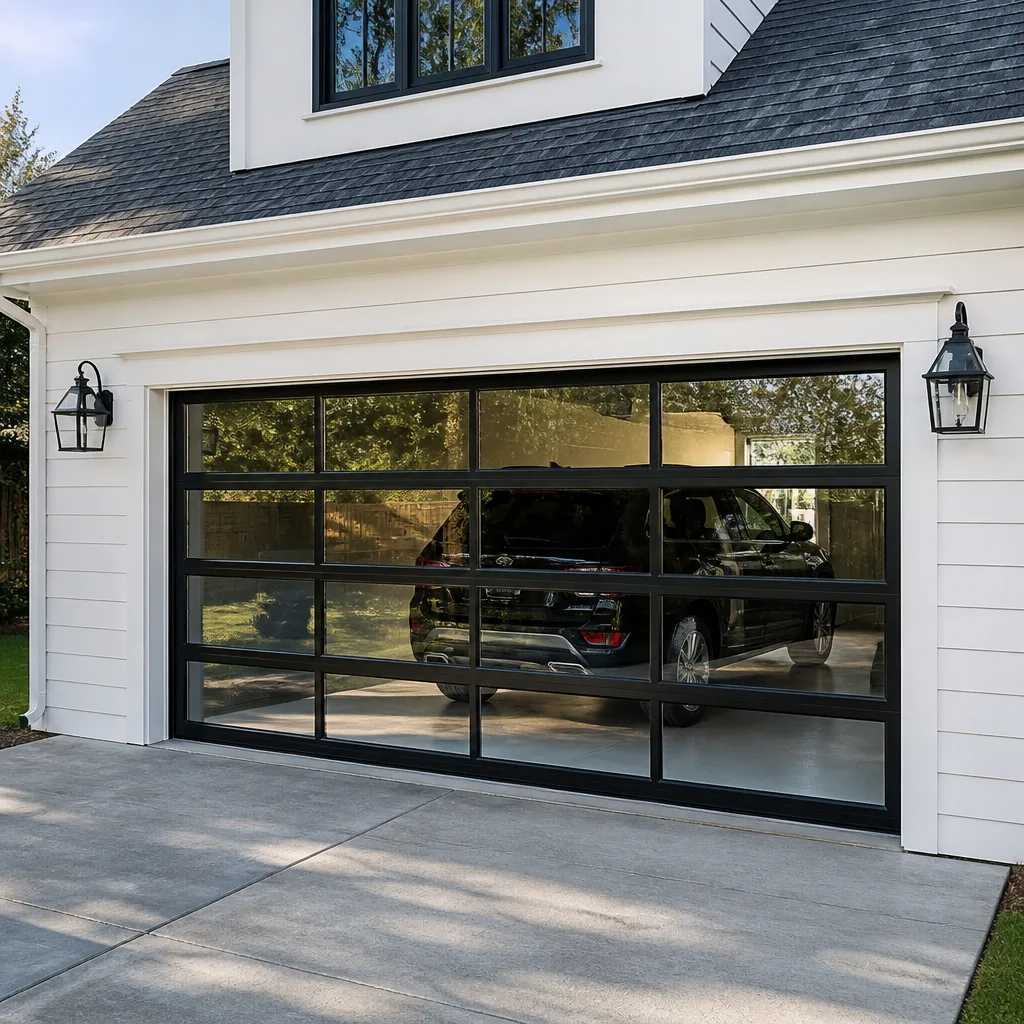 Full-view glass
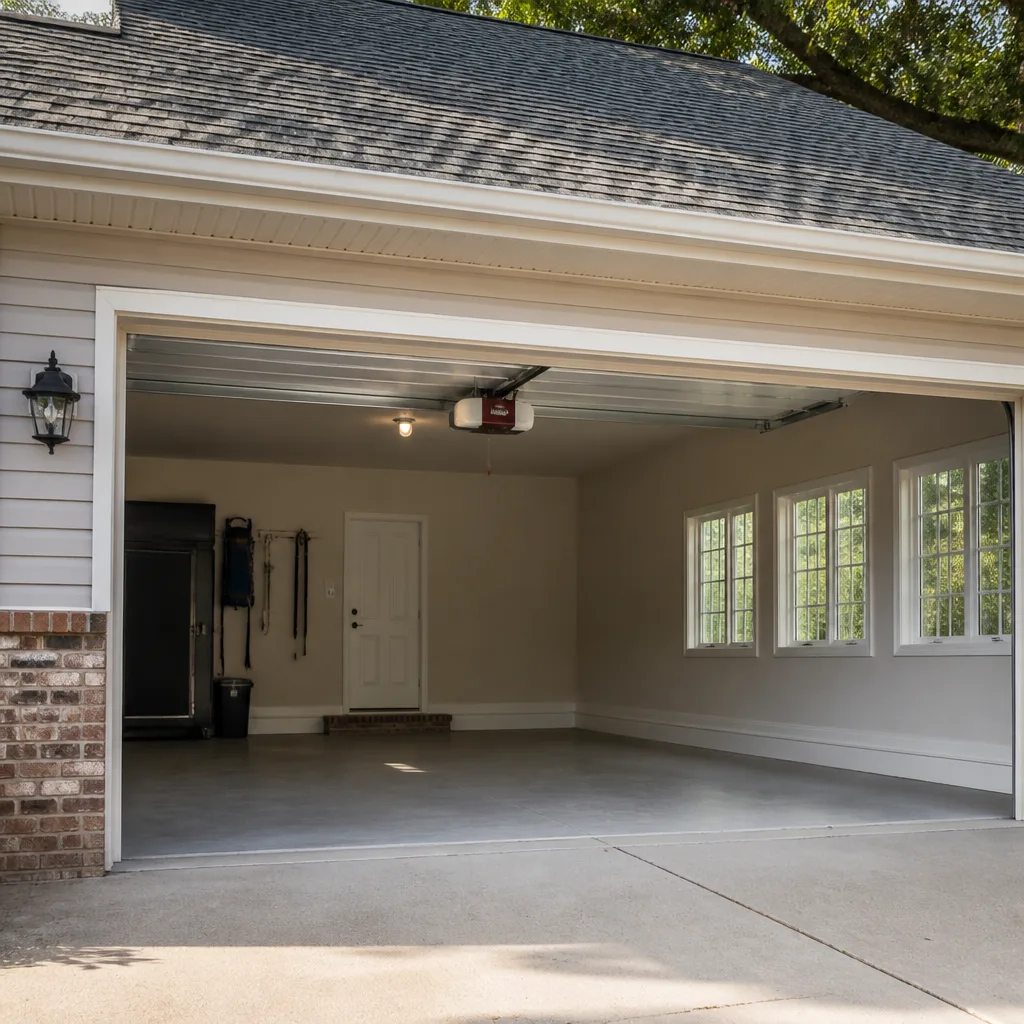 LiftMaster openers
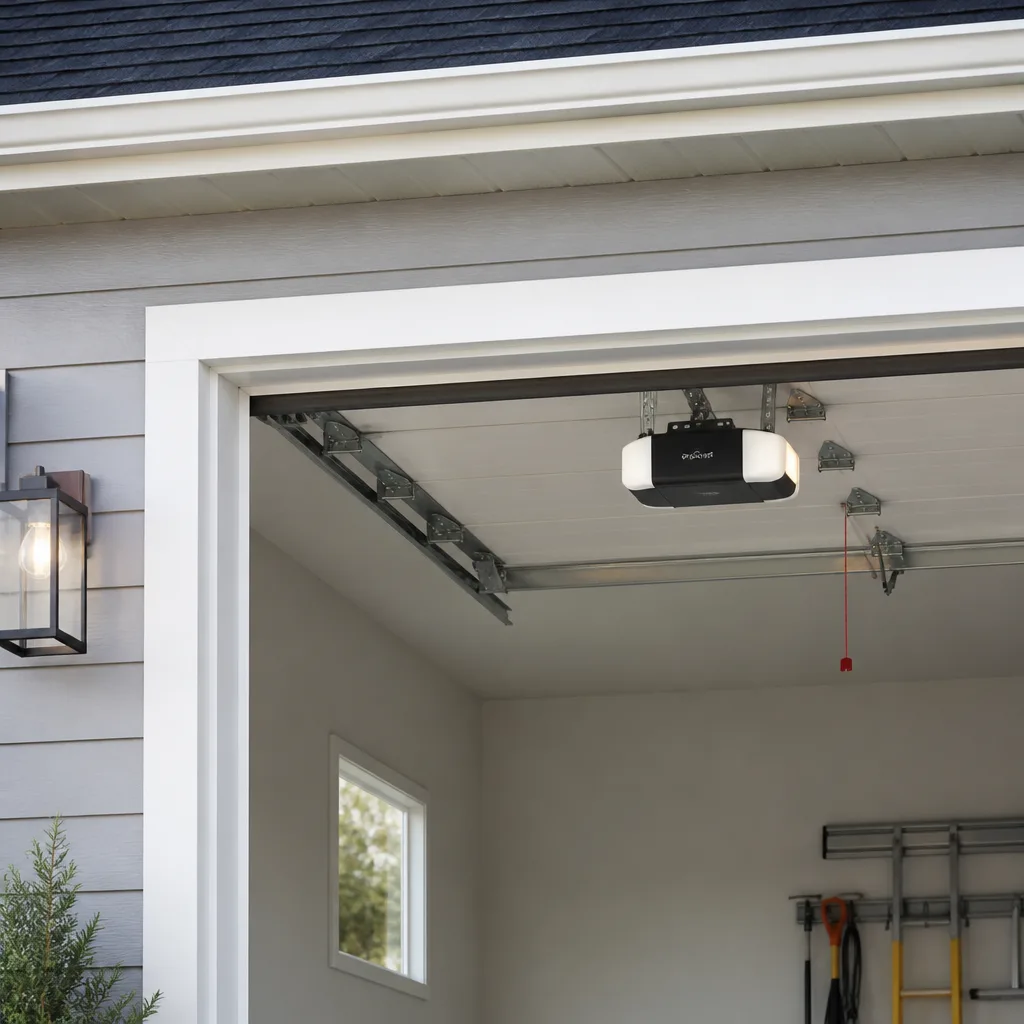 Chamberlain openers
Full 25-point door and opener safety check with every visit - springs, cables, rollers, tracks, and your LiftMaster or Chamberlain opener included
You get a price before we start. It does not change when the pro arrives.
Get your free estimateGarage Door Repair Troubleshooting in Sheepshead Bay: Common Problems and How to Fix Them
A garage door that reverses the moment it touches the floor and a door that won’t budge at all look like the same failure from the driveway. They aren’t. One is almost always an opener or sensor issue. The other usually points to a spring or cable that has already failed. Homeowners in Sheepshead Bay who confuse the two end up paying for the wrong repair, or worse, buying a new opener when their springs are the real problem. This guide walks you through how a technician reads a door’s behavior: which sounds, motions and symptoms map to which parts, which problems you can safely diagnose yourself, and which ones need a professional the moment you spot them.
Quick Answer
Most garage door problems in Sheepshead Bay trace back to four things: a broken torsion or extension spring, a misaligned safety sensor, a cable that has jumped its drum, or an opener with a failing logic board or stripped gear. A door that reverses immediately at the floor is usually a sensor or limit-switch issue. A door that won’t move at all, or that feels unusually heavy when you try the manual release, almost always has a spring or cable fault. Springs and cables are never a safe DIY repair; sensors, remote batteries and track alignment are things you can check safely yourself. Our technicians have up to 13 years of experience reading exactly these symptoms.
Styles & brands we work with
- Raised-panel steel
- Carriage house
- Modern flush
- Full-view glass
- LiftMaster openers
- Chamberlain openers
Table of Contents
- The Symptom-to-Cause Diagnostic Matrix
- The 30-Second Manual Release Test: Opener Fault vs. Mechanical Fault
- Springs and Cables: The Failures You Should Never Touch
- How Sheepshead Bay’s Climate Affects Your Door’s Hardware
- Opener Troubleshooting: LiftMaster, Chamberlain, Genie and Craftsman
- Track, Roller and Alignment Problems
- What to Document Before You Call: Photos, Video and Notes
- Common Mistakes to Avoid
The Symptom-to-Cause Diagnostic Matrix
The fastest way to understand a garage door problem is to match the symptom to its mechanical source before you touch anything. What follows is the same logic a technician runs through on arrival, and it works the same whether you’re in a brick rowhouse near Emmons Avenue or a two-family off Ocean Avenue. The door is telling you what’s wrong. You just need to know how to listen.
The core symptom-to-cause map:
- Door reverses immediately after touching the floor. Usually a misaligned or blocked safety sensor, not a spring. Sun glare on the sensor eye or debris in the lens causes the same behavior.
- Door reverses partway up, then back down. Typically a travel-limit setting on the opener, a binding track, or a worn torsion spring that can’t lift the full weight.
- Door won’t move at all, opener hums. Mechanical fault, not opener fault. Usually a snapped spring or a cable off its drum; opener is straining against dead weight.
- Grinding or scraping noise during travel. Worn rollers, a dry or failing bearing plate, or track misalignment. Sometimes the opener gear has stripped.
- Door rises unevenly, one side slower than the other. One broken spring in a paired-torsion setup, a stretched extension spring, or a cable that has jumped a drum.
- Loud bang followed by nothing working. Classic snapped torsion spring. The bang is the spring releasing stored energy.
- Door opens fine but won’t close, or closes then reopens. Sensor or logic board issue, not mechanical.
- Sagging or bowed panels. Impact damage, worn hinges or a bent track allowing the panel to deform.
In our experience, the single most misdiagnosed symptom is the “reverses at the floor” case. Owners assume the spring is bad because the door won’t stay shut. It’s almost always the sensor or the close limit. That misdiagnosis is why we always confirm with the manual release test before quoting any repair.
The 30-Second Manual Release Test: Opener Fault vs. Mechanical Fault
This single test separates the two biggest categories of garage door failure before anyone spends a dollar. If the door moves easily by hand with the opener disengaged, your opener is the problem. If it feels heavy or won’t move, a spring or cable has failed. Here’s how to do it safely.
- Make sure the door is fully closed and nobody is standing under it.
- Locate the manual release cord, usually the red handle hanging from the opener rail. Pull it straight down until the carriage disconnects.
- With the door disengaged, lift it by hand to about waist height. It should move with modest effort and hold its position when you let go.
- If the door is easy to lift and stays put, the door and springs are healthy. Your opener or its connections are the fault.
- If the door feels extremely heavy, won’t lift, or drops once you let go, a spring or cable has failed. Do not force it. Re-engage the release only if the door is fully closed, and call a professional.
This test tells you in half a minute which side of the system you’re dealing with. We’ve seen homeowners in Sheepshead Bay buy a replacement opener only to discover a snapped spring two weeks later. Thirty seconds of diagnosis would have saved them the cost. If the door moves freely but the opener won’t run, you’re looking at garage door opener repair, a completely different job from a spring fix.
Springs and Cables: The Failures You Should Never Touch
Springs and cables are the one part of the system a homeowner should never attempt to repair. A torsion spring under tension stores enough force to cause serious injury if it releases unexpectedly, and a snapped extension spring can whip across the garage. There is no safe way to handle these without the right tools and training. Even inspecting a broken spring closely is risky. If you see a visible gap in a torsion coil, a spring hanging loose, or a cable draped off its drum, stop there and call a technician.
What you can safely check:
- Whether the spring looks like one continuous coil or has a visible break.
- Whether the door balances (from the manual release test) or drops.
- Whether the cables are taut and sitting in their drums rather than hanging loose.
What you should never do:
- Attempt to wind or unwind a torsion spring with any tool.
- Cut or remove a broken cable yourself.
- Run the opener repeatedly against a door with a suspected spring failure, which strains the opener motor and gear.
For Sheepshead Bay homeowners, spring repair is one of the most common calls we get, and it’s the repair most likely to be mishandled by a DIY attempt. Springs here run under the same load as anywhere else, and we carry the right torsion and extension spring inventory so the job is a same-visit repair, not a two-trip job. Our technicians have up to 13 years of experience, so a broken spring is a routine afternoon for them. If you’ve identified a spring problem, don’t run the opener again. Call for garage door repair and let a trained technician handle it.
How Sheepshead Bay’s Climate Affects Your Door’s Hardware
Sheepshead Bay’s position near the water changes how door hardware ages compared to what most generic troubleshooting guides assume. The neighborhood’s proximity to Sheepshead Bay itself and the surrounding waters means humidity that stays high through much of the year, and the salt air that comes with proximity to the bay accelerates corrosion on the parts that move or bear load. Cables, rollers, hinges and bearing plates corrode faster here than on doors inland.
- Cables. Corrosion pits the steel and shortens the life of the cable. Pitted cables are more likely to fray or snap rather than wear through gradually.
- Rollers. Steel rollers seize faster in humid air. Once a roller stops turning, it drags and can pull the door off-centre.
- Hinges and fasteners. Surface rust on hinges transfers to the panels and stiffens the door’s movement.
- Bearing plates. The central bearing plate on a torsion system can seize and start grinding, which is often mistaken for an opener problem.
What this means practically: a Sheepshead Bay door usually needs an inspection of cables and rollers sooner than the door’s manual suggests, and a “sagging, slow-moving door” here is often a roller or cable issue rather than a spring issue. We’ve seen plenty of perfectly good openers replaced because the rollers were seizing and the door couldn’t move freely. If your door has started to feel sluggish rather than broken, ask for a track and roller inspection before assuming the worst.
Opener Troubleshooting: LiftMaster, Chamberlain, Genie and Craftsman
Openers fail in a small set of predictable ways, and knowing which failure you have saves a full diagnostic visit. But first, confirm the fault belongs to the opener and not the door – use the manual release test above. If the door moves freely by hand and the opener still misbehaves, here are the common patterns by brand and system type.
- Humming but no movement (LiftMaster, Chamberlain, Genie, Craftsman). Usually a stripped drive gear or a failed capacitor. Both are replaceable on most units.
- Opener runs but won’t lift the door. Often the carriage is not re-engaged after a manual release, or the drive chain/belt is broken.
- Lights flash or the door opens and immediately closes. Sensor or logic board issue on most modern openers, and the safety reverse should be tested.
- Remote works intermittently or not at all. Dead battery, corrupted remote pairing, or an obstructed safety eye. On Wi-Fi and app-connected systems, a firmware or network reset is often the fix.
- Door loses travel limits after a power cut. The opener needs its travel and force limits re-set. Many newer LiftMaster and Chamberlain units self-reset on the first full cycle after power returns.
For smart-home openers, the most common problem we see isn’t the motor at all – it’s the app connectivity or a pairing reset. A Craftsman or Genie unit that no longer responds to its remote but works from the wall switch is almost always a remote or receiver issue, not a motor failure. Don’t replace the opener until you’ve ruled out the small stuff. If you’ve eliminated the obvious, our opener repair team diagnoses and repairs across liftmaster, chamberlain, genie and craftsman systems, and we can tell you within a short visit whether the unit is repairable or best replaced.
Track, Roller and Alignment Problems
Not every garage door problem is a spring or an opener. A surprising number of Sheepshead Bay calls turn out to be a roller that’s come out of its track, a bent vertical rail after a bump, or a cable that’s shifted the door off-centre. These faults show up as jerky movement, grinding, or the door catching at a particular point in its travel.
Symptoms that point to track or roller trouble:
- The door binds or stutters at a specific section of its travel.
- One side is visibly higher than the other, especially in the middle of the cycle.
- Grinding or squealing noise that changes pitch as the door moves.
- Visible gaps where the roller sits against the track, or the door pulling toward one side of the frame.
A roller out of its track is often the most visually obvious problem: you can see the door hanging at an angle with the roller outside the rail. Don’t force the door up or down when this happens, because doing so can bend a panel or damage the drum. A gently bent vertical or horizontal track can sometimes be straightened, but a badly bent track or a damaged panel usually needs replacement. We’ll tell you on-site which one it is, and where panel replacement makes sense versus a full new door. If the track is beyond straightening and the door is otherwise tired, garage door installation may be the smarter spend than repeated repairs on the same door.
What to Document Before You Call: Photos, Video and Notes
The fastest garage door diagnosis happens when you’ve captured the right information before the call. A short video of the door moving (or failing to move) tells a technician in seconds what a verbal explanation often can’t. Here’s what to gather.
- A short video (10-20 seconds) of the door running its full cycle, or the attempted cycle.
- A photo of the spring assembly so we can see if the spring is snapped, single or paired, and extension versus torsion.
- A photo of the opener’s brand and model plate, usually on the back of the motor housing or under the light cover.
- A photo of the safety sensor eyes at floor level, clear enough to see the indicator lights.
- A brief note on the symptom: what it does, when it started, and whether anything changed before it started (storm, power cut, bump, renovation).
- The word “emergency” if the door won’t close and the garage is exposed, or if the car is trapped inside.
With this in hand, your call takes minutes and the technician arrives prepared. We’ll already know whether to bring a torsion spring, a set of rollers, or an opener gear. That’s the difference between a same-visit repair and a return appointment. In our experience, a two-minute video saves an entire call-back trip.
Common Mistakes to Avoid
- Buying a new opener before testing the door by hand. If the manual release test shows a heavy door, the opener isn’t the fault. Most “failed openers” are actually failed springs. Test first, buy nothing.
- Continuing to run the opener with a broken spring. This strains the motor and gear and can turn a spring repair into a full opener replacement. Once you suspect a spring failure, stop using the door.
- Attempting a DIY torsion spring repair. The stored energy in a wound torsion spring causes serious injury when released unexpectedly. No tutorial makes this a safe job – it’s a trained technician’s job.
- Ignoring a “sagging” or “sluggish” door as nothing to worry about. In Sheepshead Bay’s humid air, dragging doors often mean seizing rollers or corroded cables. Early attention is cheaper than a panel replacement.
- Assuming a scratched sensor is a broken sensor. Sensor failures are usually debris, misalignment or sun glare. Wipe and re-aim before ordering parts.
- Force-opening a door with a roller out of its track. Forcing it bends panels and can drop the door. Leave it and call.
- Skipping the documentation call. Owners often call without a video or model number and pay for a diagnostic visit that could have been avoided. Snap a photo before dialing.
See the difference
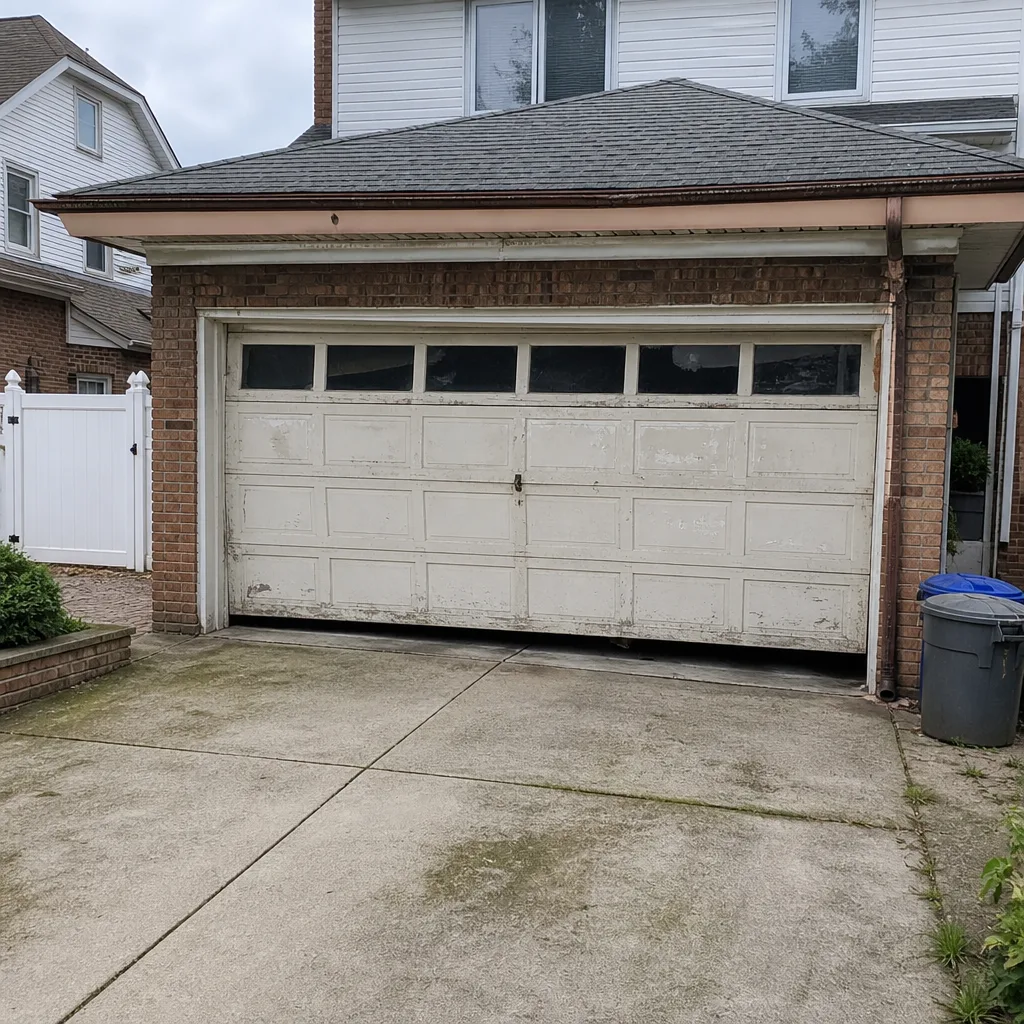 Before
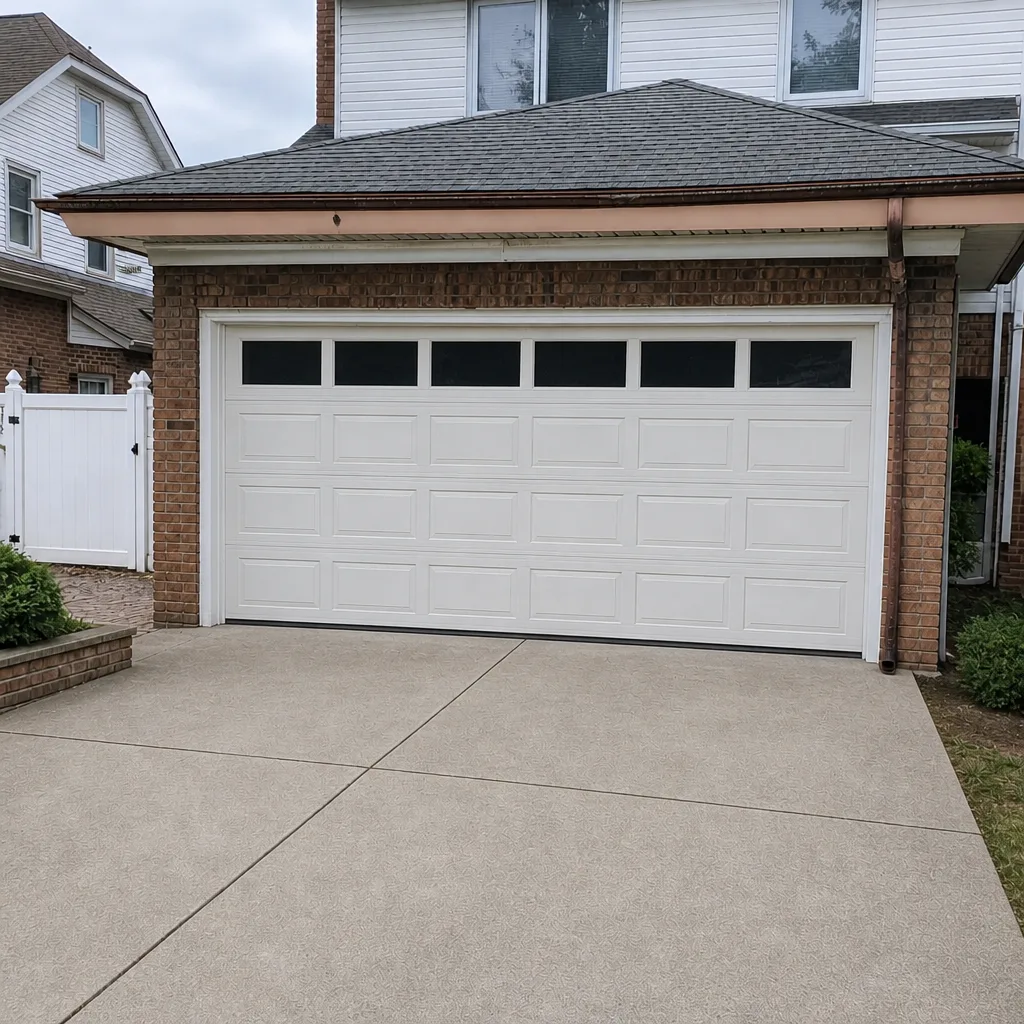 After
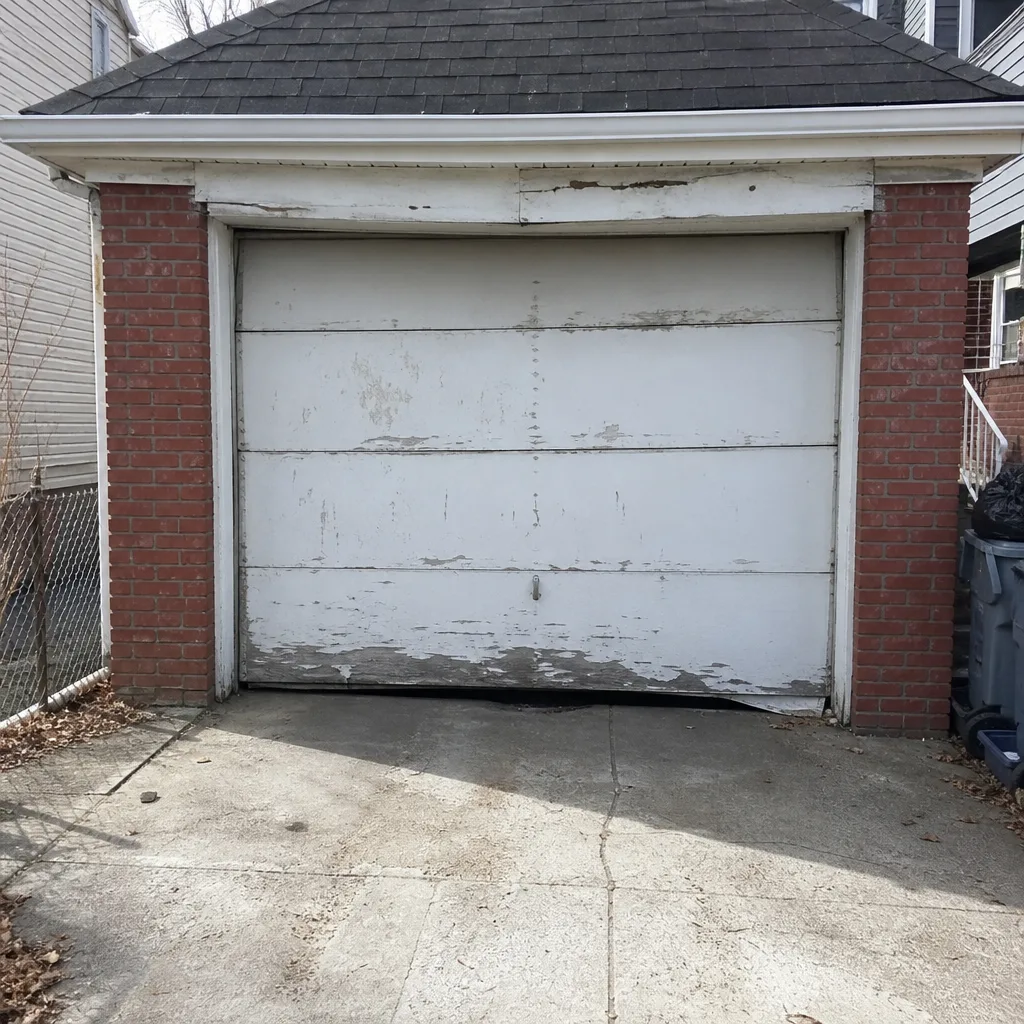 Before
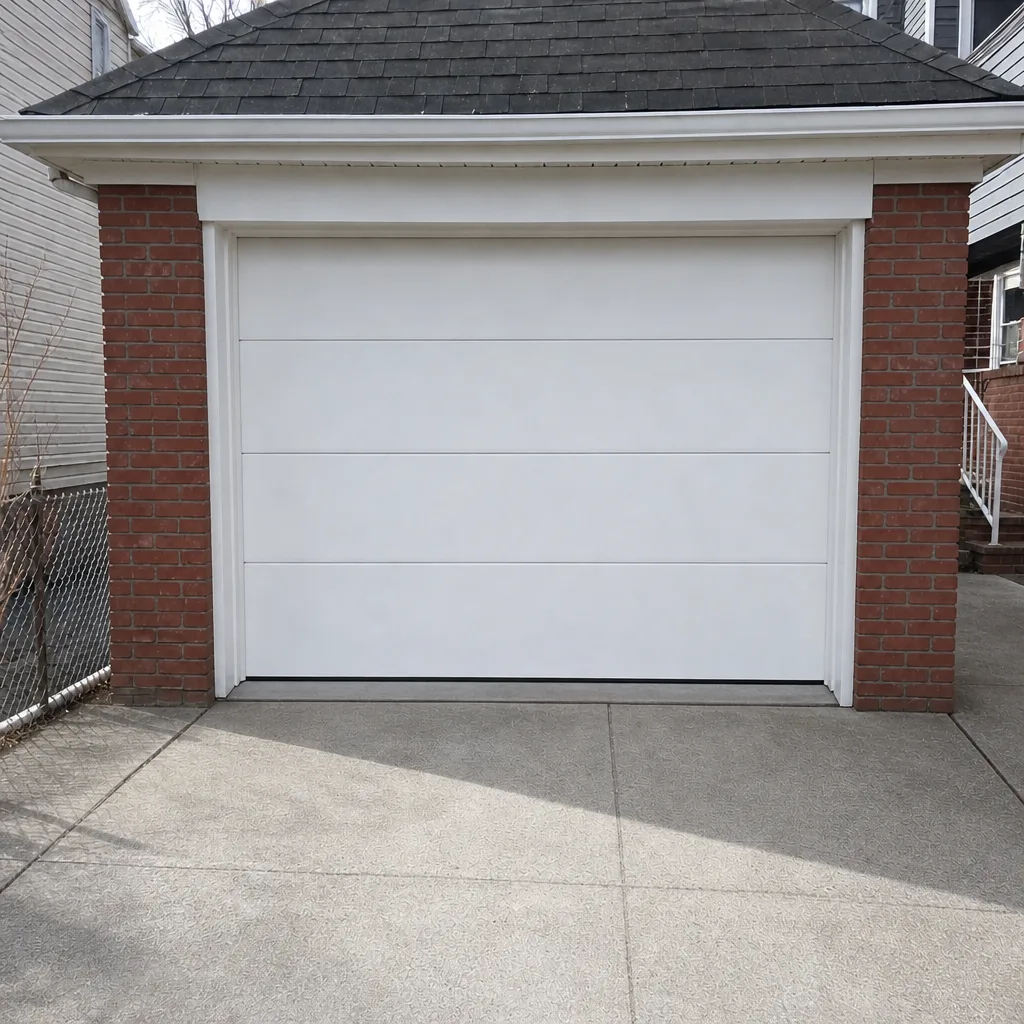 After
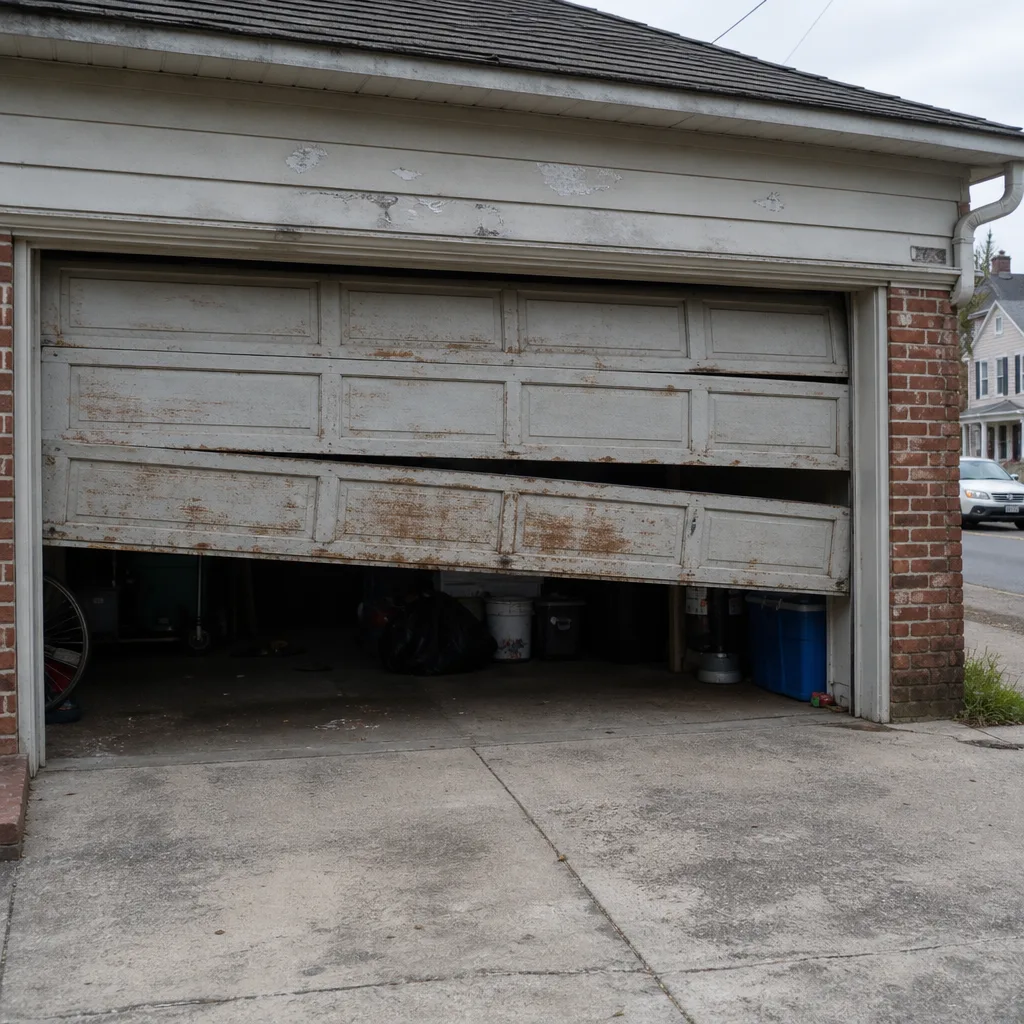 Before
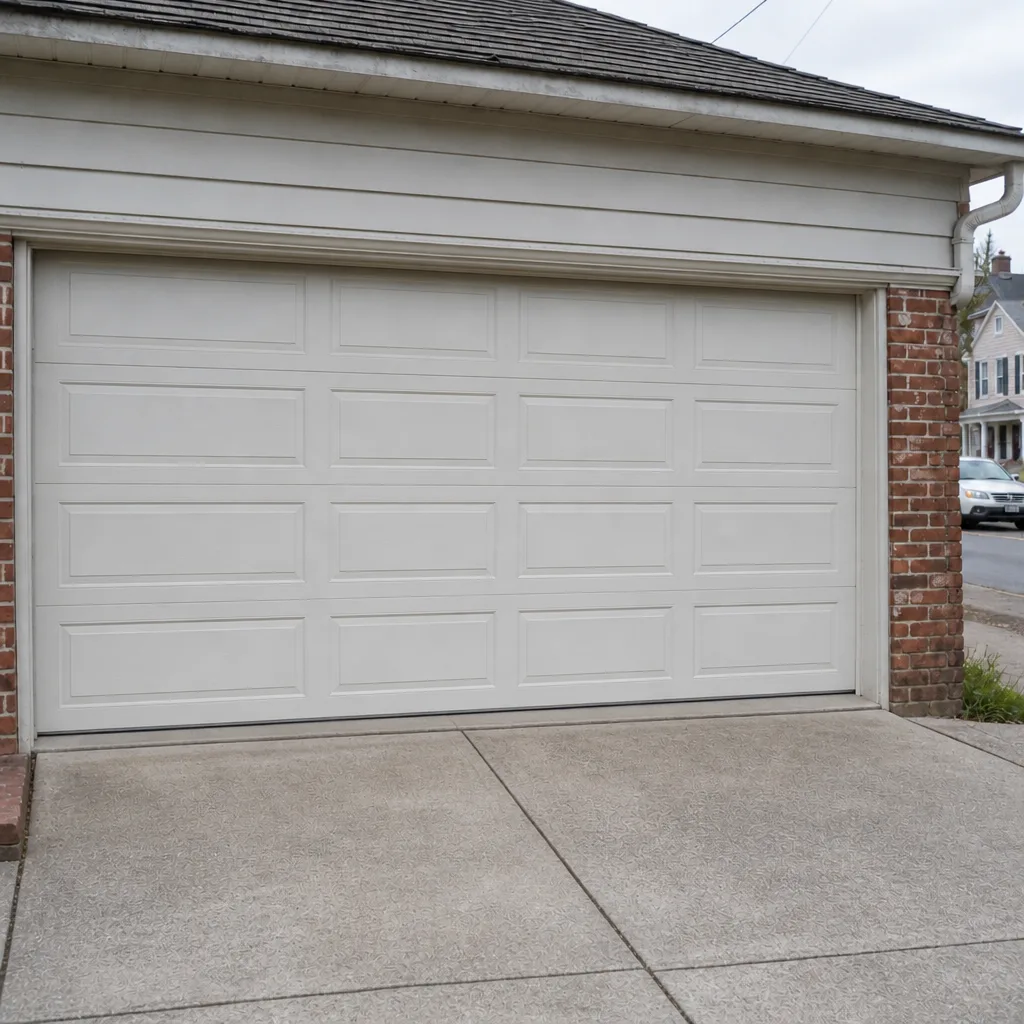 After
When to Call a Professional
Call a professional the moment you identify a broken spring, a loose or snapped cable, or a door that feels heavy when you lift it manually. Those are never safe for a homeowner to handle. Call promptly if the door won’t close and the garage is exposed, if a panel has bowed, if a roller is out of its track and the door is hanging at an angle, or if the opener has run the door into the frame and jammed it. For sensors, remotes, track alignment, and travel limits, you can usually check safely yourself first. Garage Door Repair Sheepshead Bay offers free estimates in Sheepshead Bay on any repair or replacement – call (833) 954-3381 and we’ll get you an honest read. We can also confirm whether an emergency visit is needed if the door is stuck open or won’t secure your home.
Frequently Asked Questions
Use the manual release test. Pull the release cord, then lift the door by hand. If it moves easily and stays up, the door and springs are healthy and the opener is the fault. If it feels extremely heavy or won’t lift, a spring or cable has failed and the opener is only the messenger. That single test settles the question in under a minute. Call (833) 954-3381 if the door is heavy – don’t keep cycling it.
No. Torsion and extension springs are under heavy load and are the most dangerous part of the system to handle. A wound torsion spring can release with enough force to cause serious injury, and even a snapped extension spring can whip when it lets go. This is a trained-technician job. Our spring technicians carry the right torsion and extension inventory so it’s a same-visit repair. Call (833) 954-3381 for an exact quote – estimates are free.
Almost never. A door that reverses at the floor usually has a misaligned or blocked safety sensor, or a close-limit setting on the opener that needs a small adjustment. Check the sensor eyes for debris or sun glare, then check the close limit. If both are clean and the door still reverses, the fault is likely in the logic board – call us and we’ll diagnose it.
Often yes. A humming opener that won’t move the door usually points to a stripped drive gear, a failed start capacitor, or the carriage still being in manual release. All three are repairable on most LiftMaster, Chamberlain, Genie and Craftsman units. We’ll confirm on-site whether it’s a gear, capacitor or a control issue before recommending a replacement – the written estimate sets the final price.
Uneven travel almost always points to one of three things: one broken spring in a paired-torsion setup, a stretched extension spring on one side, or a cable that’s jumped its drum. Any of these mean the door is being lifted with more force on one side than the other. Don’t run it – uneven lift stresses the tracks and panels. Call for a same-visit diagnostic and we’ll tell you which side has failed.
For a door that won’t close or won’t open, we treat it as an emergency and get a technician out as fast as we can – a stuck-open door leaves your home exposed. For standard repairs and spring work, a same-day or next-day visit is the usual pattern. Call (833) 954-3381 and we’ll give you a real arrival window, not a vague promise. Estimates are free and the price is agreed before any work starts.
The Bottom Line
Most garage door problems in Sheepshead Bay are easy to misdiagnose because the symptom and the cause aren’t the same thing. A door reversing at the floor is a sensor or limit problem, not a spring. A door that won’t lift by hand is a spring or cable problem, not an opener. The manual release test tells you which side of the system you’re on in 30 seconds. Springs and cables are never a DIY repair – call a trained technician the moment you identify one. Once you know what’s wrong, you call once, with photos and a model number, and the repair happens on the same visit. That’s the whole troubleshooting idea: read the door, then act on what it told you.
If you’d rather skip the diagnosis and get an expert read, our team is ready. Garage Door Repair Sheepshead Bay handles repair, spring replacement, opener repair and new door installation across clopay, amarr, wayne dalton, liftmaster, chamberlain, genie, craftsman and raynor equipment – so whatever’s on your door, we work on it. Call (833) 954-3381 for a free estimate in Sheepshead Bay. We’ll confirm the diagnosis, quote a price before any work starts, and get your door moving again.
Written by the team at Garage Door Repair Sheepshead Bay.