Last updated November 21, 2026
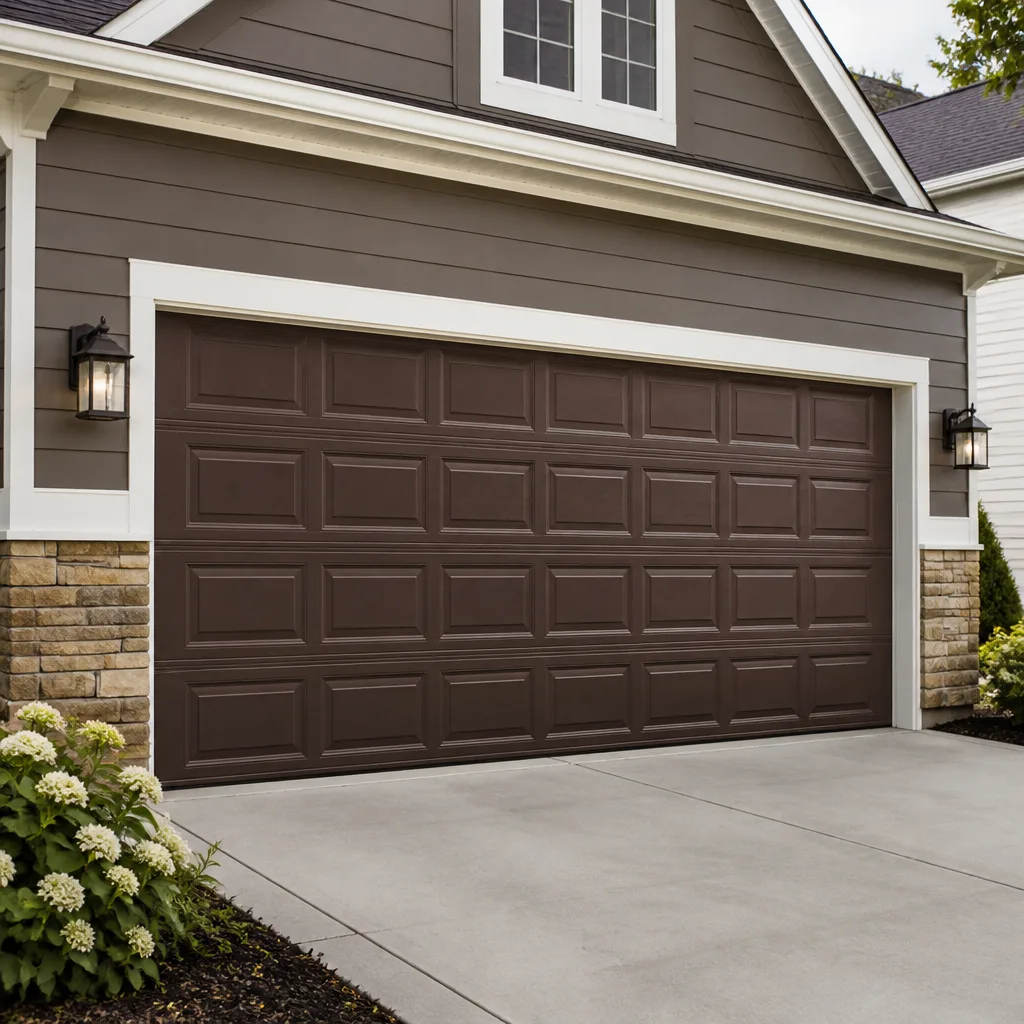 Raised-panel steel
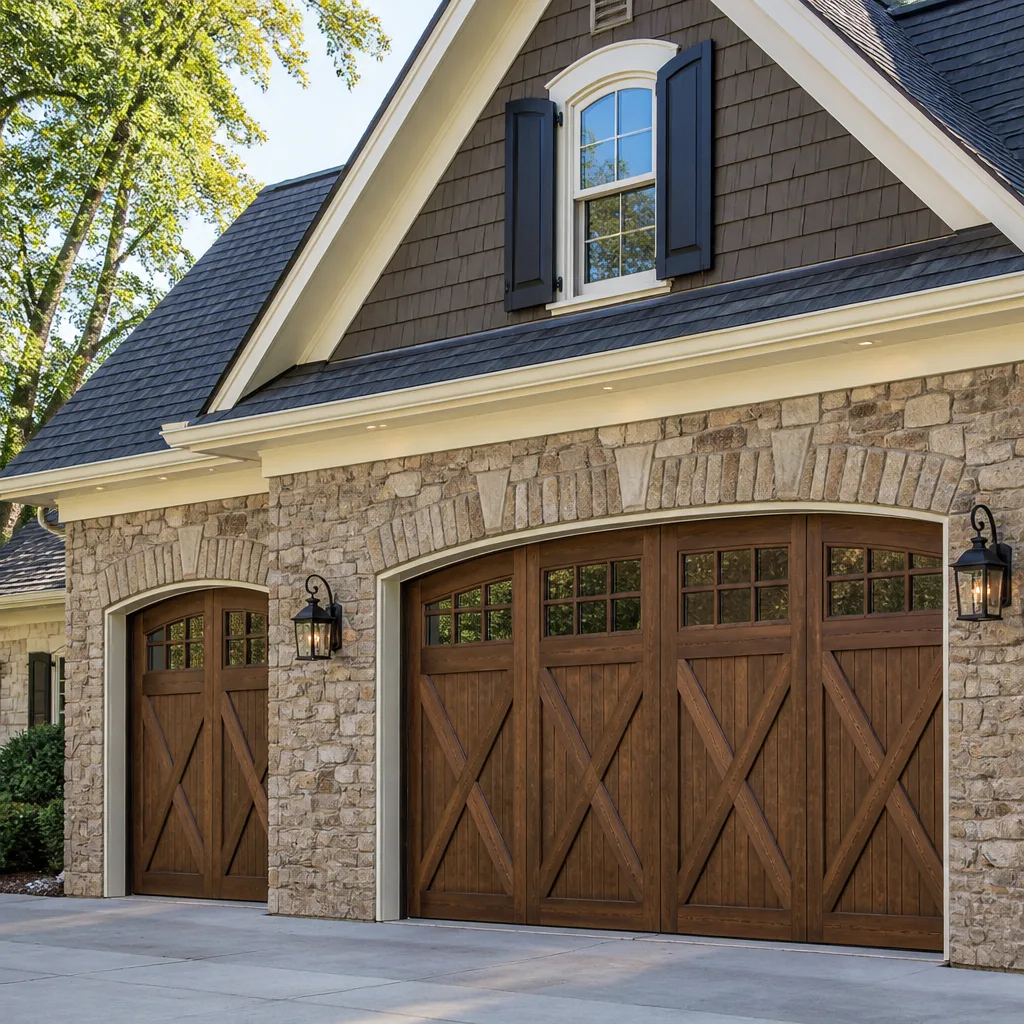 Carriage house
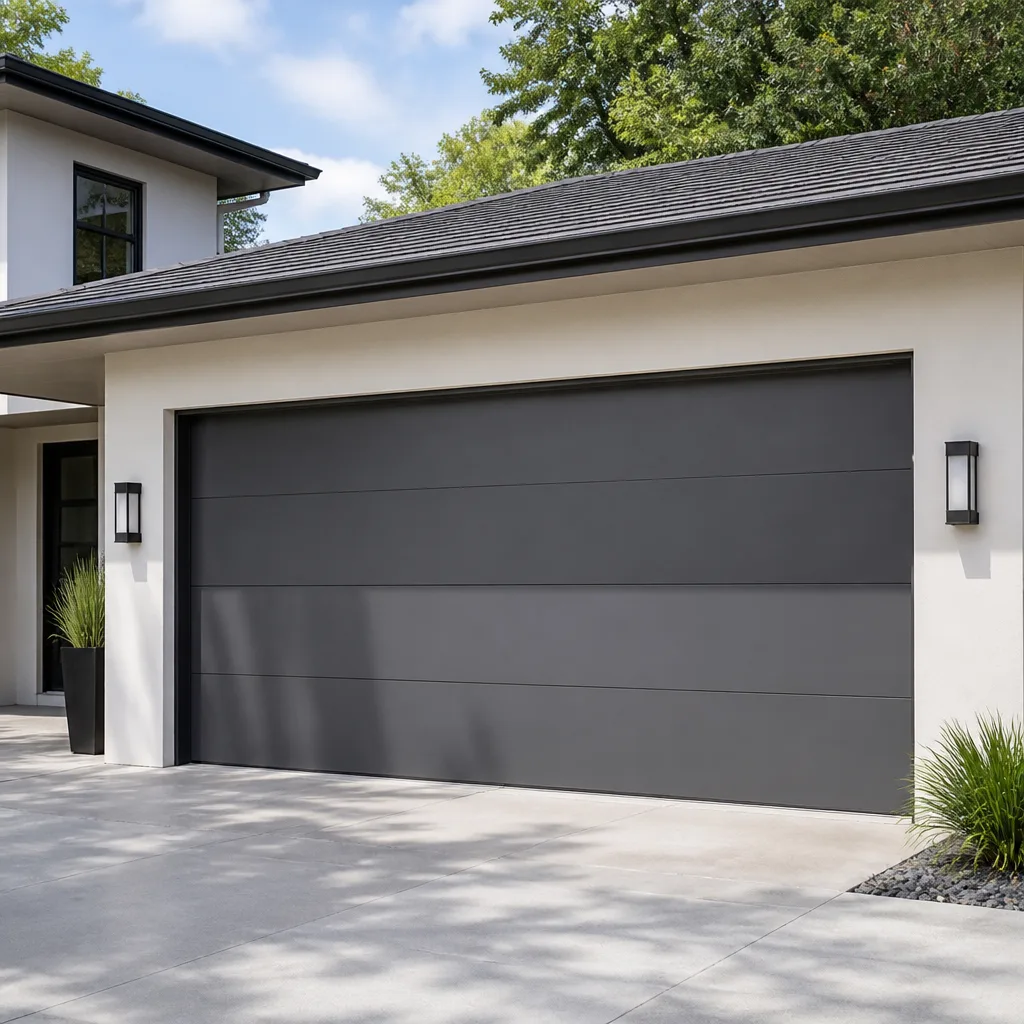 Modern flush
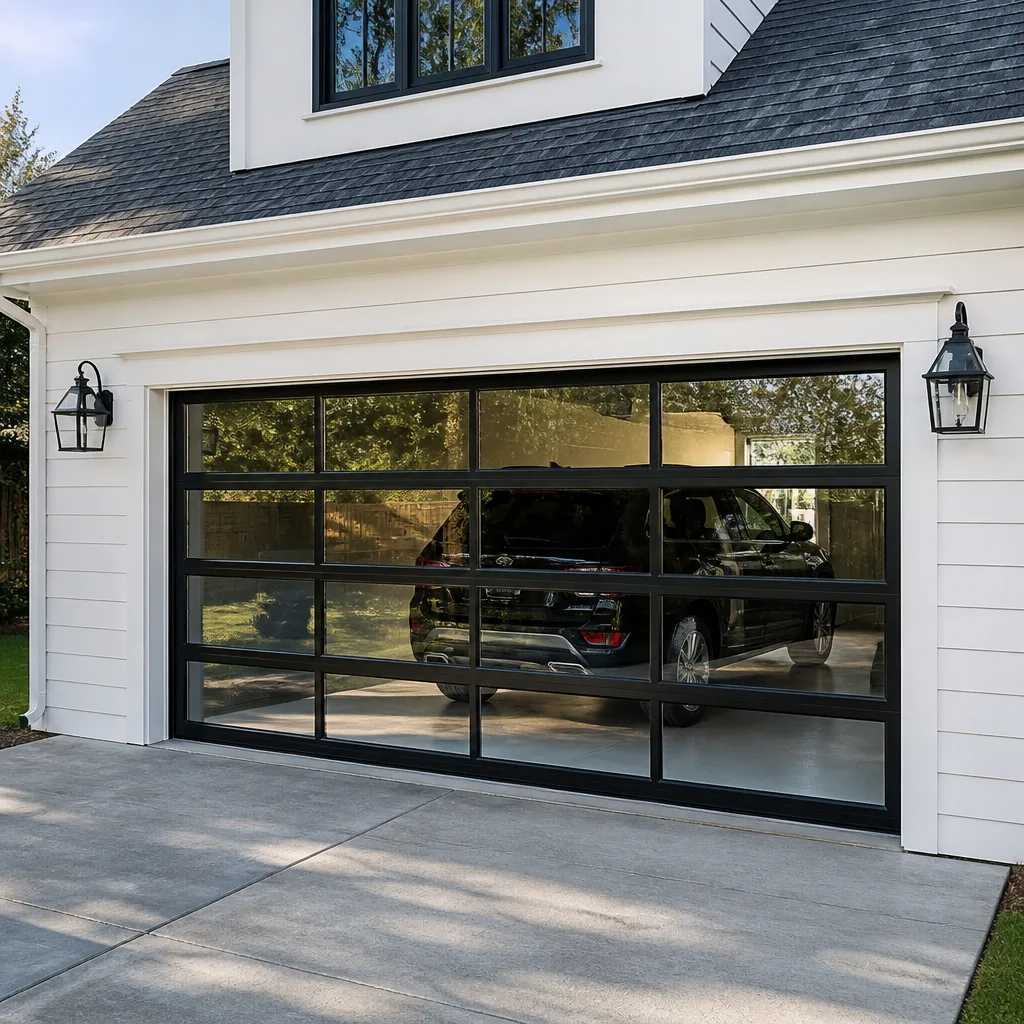 Full-view glass
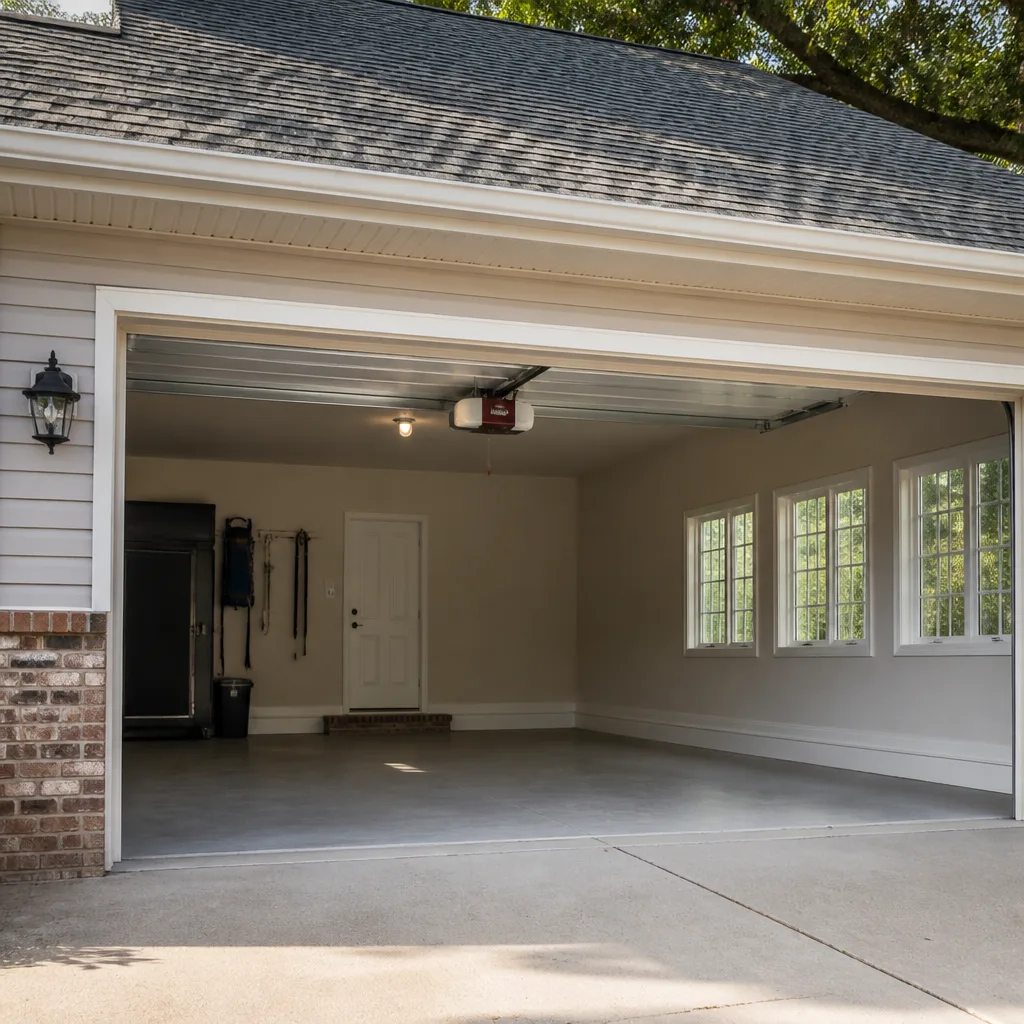 LiftMaster openers
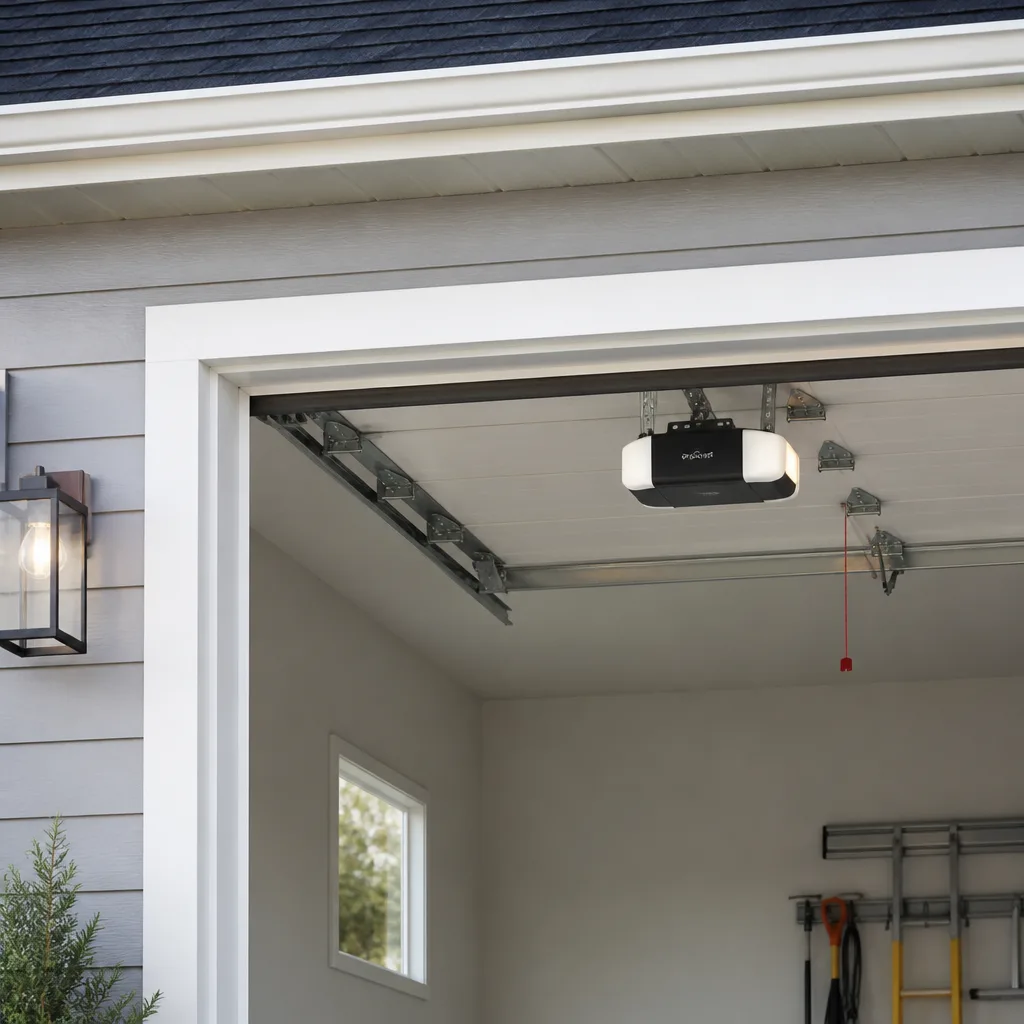 Chamberlain openers
Full 25-point door and opener safety check with every visit - springs, cables, rollers, tracks, and your LiftMaster or Chamberlain opener included
You get a price before we start. It does not change when the pro arrives.
Get your free estimateGarage Door Repair Maintenance Schedule: What to Do and When
The most common maintenance mistake isn’t skipping lubrication. It’s lubricating the wrong parts, and lubricating them with the wrong product. Spraying a general-purpose penetrant like WD-40 onto torsion springs feels productive, but that thin solvent carries grit into the coils and thins out the very film you were trying to build. Most homeowners have been doing this wrong for years, and the springs pay the price. What follows is a real schedule built around how a door actually ages in Sheepshead Bay: what to check, when to check it, which products work and which cause harm, and the two at-home tests that predict a breakdown months before it happens.
Quick Answer
A workable garage door maintenance schedule breaks down into monthly visual inspections, a seasonal lubrication and balance check four times a year, and one professional tune-up annually. In Sheepshead Bay the calendar needs two extra anchors: a tension and hardware check before the first hard freeze, and a cable and track inspection after any nor’easter. Springs, cables and opener force settings are the three components where maintenance either extends life or reveals that replacement is the smarter spend.
Styles & brands we work with
- Raised-panel steel
- Carriage house
- Modern flush
- Full-view glass
- LiftMaster openers
- Chamberlain openers
Table of Contents
- Why a Written Schedule Beats Guesswork
- The Sheepshead Bay Month-by-Month Calendar
- The Right Lubricant for Every Component
- The Balance Test and the Force Test
- How Long Each Part Actually Lasts
- What a Technician Checks That You Can’t
- Common Mistakes to Avoid
- Frequently Asked Questions
Why a Written Schedule Beats Guesswork
A garage door is the largest moving object on a residential property, and it’s the one piece of equipment almost nobody schedules maintenance for. Furnaces get annual service. Boilers get inspected. The door that opens and closes a few times a day for years gets attention only when something snaps. That’s backwards, and it’s expensive.
The reason a schedule matters more than a one-time tune-up is that garage doors fail in slow motion. A torsion spring doesn’t announce itself. It loses tension gradually, which means the opener has to work harder, which means the gears wear faster, which means one morning the door reverses halfway up and the homeowner assumes the opener died. Frequently it didn’t. The spring did, weeks earlier, and nobody was watching.
Here in Sheepshead Bay, the schedule also has to account for what the seasons do. Summer humidity swells wood door panels enough to shift alignment and scrape the frame. The first hard freeze tightens metal hardware and shrinks lubricant films. A nor’easter drives wind and debris against tracks and can knock a roller out of a bend. A generic checklist written for a mild climate misses all of it.
What a good schedule actually does
- Catches wear early while it’s still a cheap adjustment rather than a full component replacement.
- Separates maintenance from repair so you know when a part is being nursed along past its useful life.
- Keeps the safety features honest: the photo-eye sensors and the auto-reverse mechanism are the two things on the door that protect people, not property.
- Preserves the opener, which is the most expensive single component and the one most often killed by an unbalanced door.
If you’d rather have a trained eye look at all of it in one visit, Garage Door Repair Sheepshead Bay handles the full check, and our technicians have up to 13 years of experience with residential systems.
The Sheepshead Bay Month-by-Month Calendar
This calendar is built around real seasonal pressure points in Sheepshead Bay rather than a manufacturer’s generic list. Some months need a five-minute look. Others deserve a proper check. None of them require tools beyond a rag, a lubricant and a level.
January and February: the deep-winter check
Cold is the hardest month for a garage door. Metal contracts, lubricants stiffen, and a spring that was marginal in November is now under real strain. Walk the door and listen. Squeaks that appeared with the first cold snap mean dry hinges or rollers. If the door sounds labored or the opener strains, stop cycling it and have it looked at. A spring under tension in freezing weather is not a DIY project.
March and April: the thaw inspection
As temperatures climb, expansion reveals what winter did. Check the weather seal along the bottom for cracking or separation, and look at the frame for gaps. This is also the month to wipe down and re-lubricate rollers, hinges and the torsion bar with the right product (see the lubricant section below). If your door is wood, look for paint failure at the bottom edges, where moisture collects.
May and June: pre-summer alignment
Before the humidity arrives, tighten every hinge bolt and track bracket you can reach with a hand tool. Do not overtighten. Loose hardware is the single most common source of rattle and premature roller wear, and it takes five minutes with a socket set. Run the balance test described below.
July and August: humidity and alignment
Sheepshead Bay summers are humid, and wood doors respond to it. Panels swell, the door can rub on one side, and a door that tracked perfectly in May now pulls slightly to one side. That’s alignment drift, not a broken door, and it’s worth checking the gaps on both sides for even spacing. Steel doors don’t swell, but the paint film can bubble at the bottom rail where moisture sits. If your door is a Clopay or Amarr steel model, check the bottom seal and the paint along the lower panel.
September and October: the pre-winter service
This is the most important window of the year, and it’s the one most homeowners skip. Before the first hard freeze, have the door’s tension, cables, springs and hardware checked by someone qualified. A spring that’s carrying the door fine in October can fail the week the temperature drops. Getting ahead of it in October is what separates a quiet winter from a snapped spring in January.
November and December: hardware and weather seal
Re-check every bolt once more before deep cold. Replace a worn bottom seal now rather than in February, since a gap under the door lets cold air and, in Sheepshead Bay, driven rain straight into the garage. Confirm the opener’s safety reverse works by placing a solid object in the door’s path, and check that the photo-eye sensors are aligned and clean.
After any nor’easter
Wind events are their own maintenance trigger. After a strong storm, look at the tracks for debris and bends, check that both cables are seated on their drums, and cycle the door slowly once. If it binds, stops, or sounds different, stop using it. A cable that’s jumped its drum under tension is a professional call.
If anything in the calendar comes back wrong, garage door repair is where most of these visits end up, and it’s usually a single visit rather than a diagnostic trip followed by a repair trip.
The Right Lubricant for Every Component
Not every lubricant belongs on a garage door, and a few actively cause harm. This is the section most homeowners have never been given, and it’s the reason so many doors wear faster than they should.
What to use where
- Torsion springs and extension springs: a silicone-based or lithium grease spray, applied sparingly to the coils. Not a thin penetrant. The goal is a film that stays put.
- Rollers: the same silicone or lithium spray, or a few drops of light machine oil on the roller stems. Nylon rollers need very little. Steel rollers benefit from a light coat.
- Hinges: a small amount of white lithium grease, applied at the pivot points. Wipe off the excess so it doesn’t attract grit.
- Tracks: nothing. Tracks should be wiped clean with a dry cloth. Lubricant on a track collects dust into a paste that drags on the rollers.
- Opener chain or screw drive: the lubricant the manufacturer specifies for that unit, and nothing else. LiftMaster and Chamberlain units, for instance, specify low-temperature grease for a chain drive.
What never to use
- A thin general-purpose penetrant on springs. It evaporates and leaves less protection than it removed, and the carrier attracts grit.
- Any lubricant on the tracks. A track is a guide, not a bearing surface.
- Grease on the photo-eye lenses. It fogs the optics and the door won’t close reliably.
- WD-40 as a maintenance product. It’s a fine rust-buster on a stuck bolt. It’s not a spring lubricant, and using it as one is the single most common mistake we see on doors around Sheepshead Bay.
The Balance Test and the Force Test
These two tests are the ones that predict failure months ahead. Neither requires tools, and both can be done in a couple of minutes. Do them quarterly.
The balance test
- Disconnect the opener by pulling the manual release cord, so the door moves free of the motor.
- Raise the door by hand to about halfway, then let go.
- A balanced door stays where you left it, or drifts only slightly.
- If it drops fast or creeps down on its own, the springs have lost tension or the door is unbalanced. Stop using it. That’s a spring issue, and springs are professional territory.
- Reconnect the opener and cycle it once to confirm normal operation.
The force-resistance test
- With the door closed and the opener reconnected, place a solid object about the size of a rolled-up towel in the door’s path.
- Run the door down.
- It should reverse on contact with the object. If it presses down on the object before reversing, or doesn’t reverse at all, the opener’s force setting is wrong or the safety system has failed.
- Test the photo-eye sensors the same way: block the beam with your leg, and the door should refuse to close while the beam is broken.
- If any of these fail, the door is unsafe until corrected. This is one of the few things you should call about the same day.
The force test is the one most homeowners never run, and it’s the one that matters when someone walks into the garage while the door is closing. If the reverse feature is suspect, stop cycling the door and get it looked at. Modern openers from LiftMaster, Chamberlain, Genie and Craftsman all have adjustable force settings, and a misconfigured one is a simple fix for a technician and a hazard for anyone else.
How Long Each Part Actually Lasts
Maintenance extends life, but it doesn’t make a part immortal. Knowing the realistic range for each component tells you when maintenance is buying you years and when it’s just delaying an inevitable replacement. The figures below are typical ranges for a regularly used residential door.
- Torsion springs: roughly 7 to 10 years for a well-maintained spring in a typical household, shorter in a busy home with heavy daily use. Extension springs run shorter. Lubrication is the single biggest variable.
- Rollers: nylon rollers typically last 7 to 10 years. Steel rollers last closer to 5 to 7 and are noisier. Replacing all of them at once when half are worn is usually the better spend.
- Hinges: 10 to 15 years with regular lubrication, but the ones at the heavy bottom and top corners wear first.
- Cables: 10 to 15 years in normal conditions. A cable that’s frayed, kinked or seated incorrectly on the drum should be replaced, not adjusted.
- Bottom weather seal: 3 to 5 years. This is the cheapest fix on the door and the one that pays for itself in draft reduction.
- Opener: 10 to 15 years for a modern unit. A Wi-Fi-enabled opener from LiftMaster or Chamberlain typically gives its most reliable years in the first decade.
- Panels and sections: as long as the paint film holds and the panel isn’t damaged, a wood section lasts decades with paint upkeep; steel sections last as long as the coating on them.
When two or more major components are near the end of their range at the same time, replacement can be the smarter spend. A full garage door installation replaces the door, springs, cables and hardware together, and resets the clock on the whole system. It’s a conversation worth having with a technician who can assess the door on site and give you a written comparison.
What a Technician Checks That You Can’t
Many of the most important checks on a garage door require either a trained eye, a specific tool, or a safety procedure a homeowner should never attempt. This is what an annual tune-up actually covers, and why skipping it usually costs more than the visit.
- Spring tension and wire condition. A technician examines the coils for fatigue and pitting, and checks the winding cones for slack. Springs are under high tension and are the most dangerous part of the door. A trained technician handles them; a homeowner does not.
- Cable condition and drum seating. Cables wind under significant load. A frayed strand visible at the drum is a warning sign, and a technician catches it long before it fails.
- Track alignment beyond the visible edge. A track can look straight and still be out of plumb. A technician checks it with a level and adjusts the brackets.
- Opener force and travel settings. These need a measured check, not a guess, and the settings drift with use.
- Panel stress and structural wear. Cracks at panel joints and hinge points are hard to spot from the ground.
- Safety reverse calibration against the manufacturer’s spec. It’s not just “does it reverse”; it’s “does it reverse within the force and travel limits the opener specifies.”
An annual visit from a trained technician covers all of it in one appointment, including parts decisions on site. That’s the difference between a door that’s serviced and a door that’s inspected: the service visit is where a worn roller gets replaced rather than just noted. If the door is a Chamberlain or a Clopay system and the opener has never been adjusted, the visit pays for itself in that adjustment alone.
Our technicians have up to 13 years of experience servicing garage doors around Sheepshead Bay. We work on your brand, whichever it is. For an opener that’s misbehaving, garage door opener repair is the place to start.
See the difference
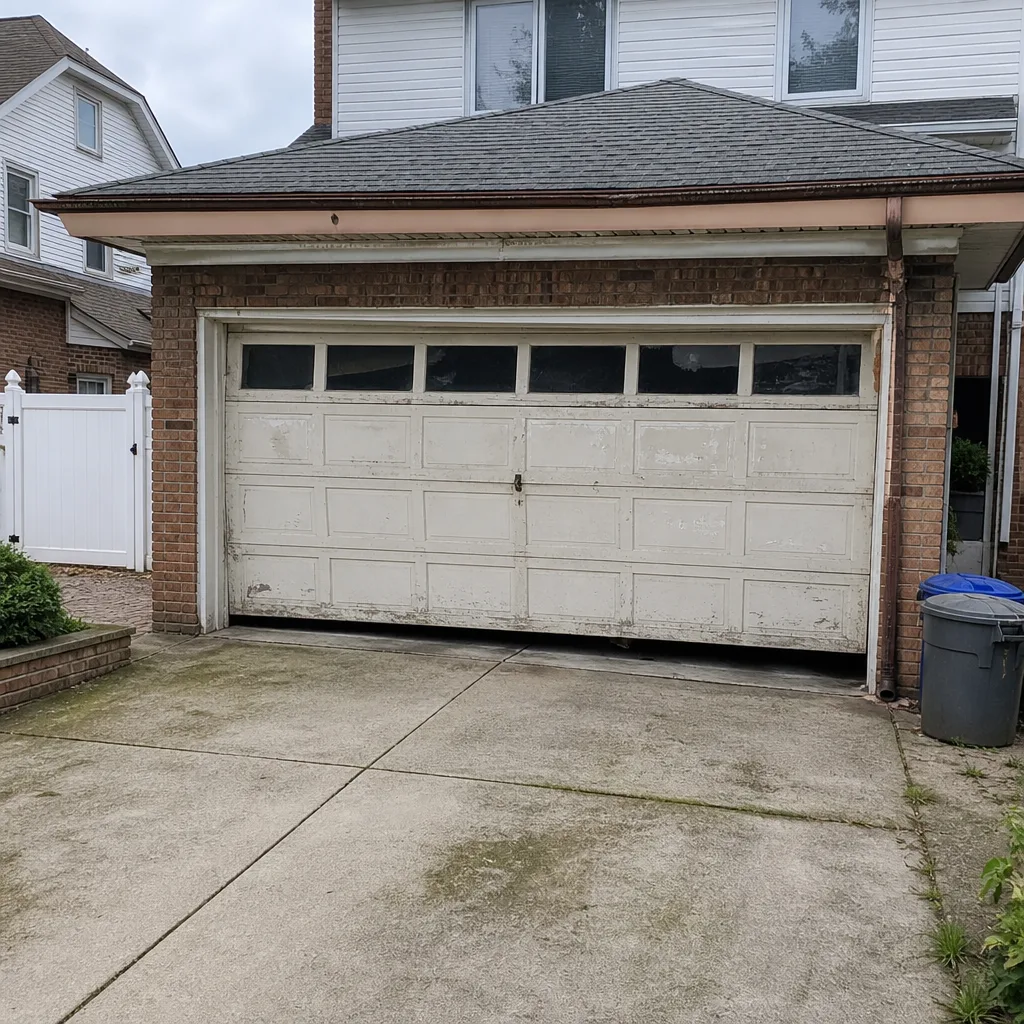 Before
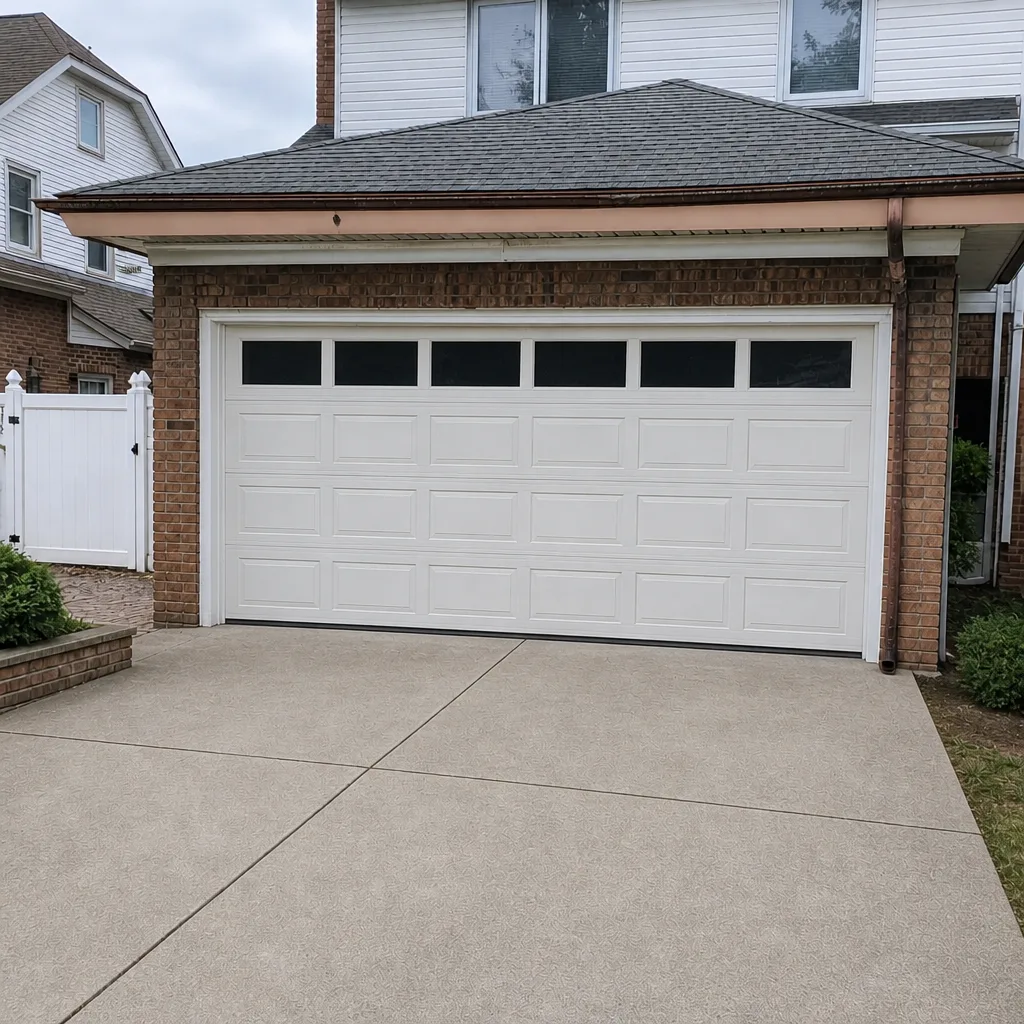 After
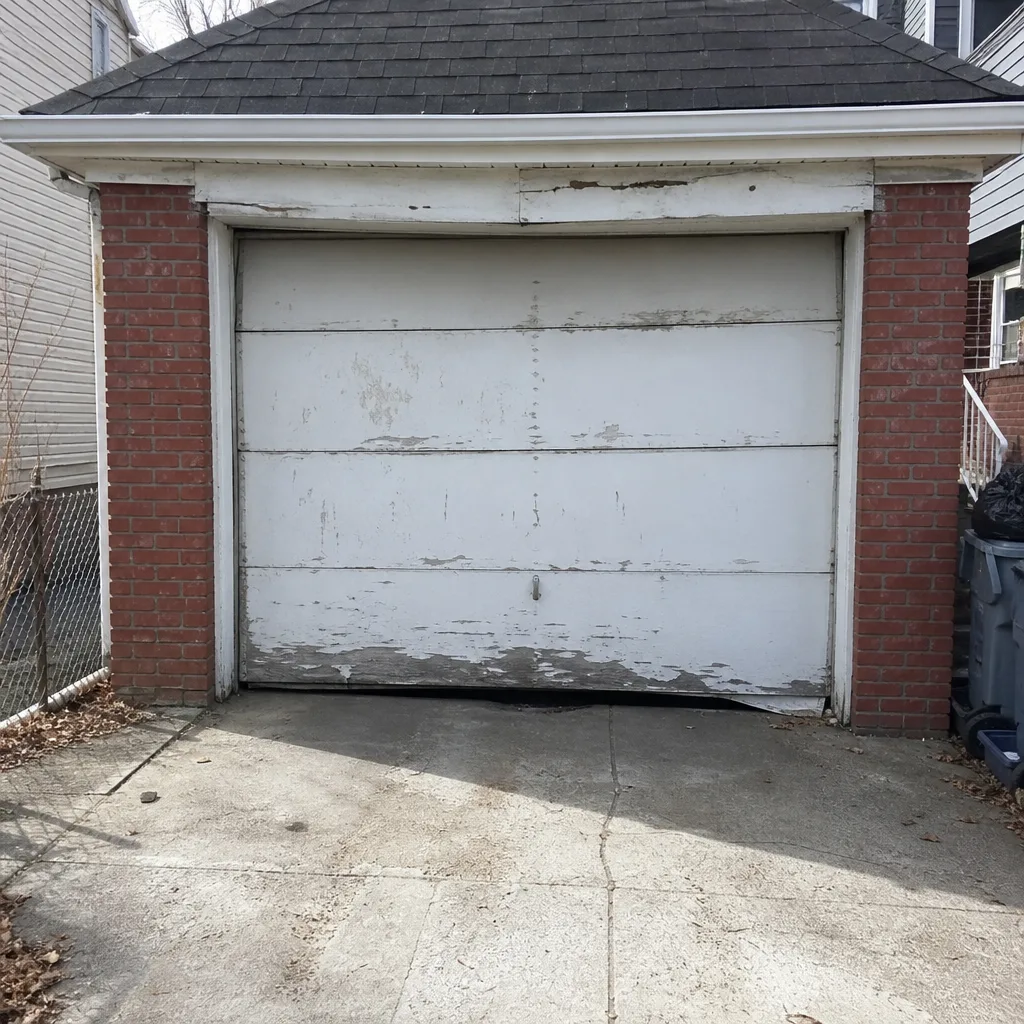 Before
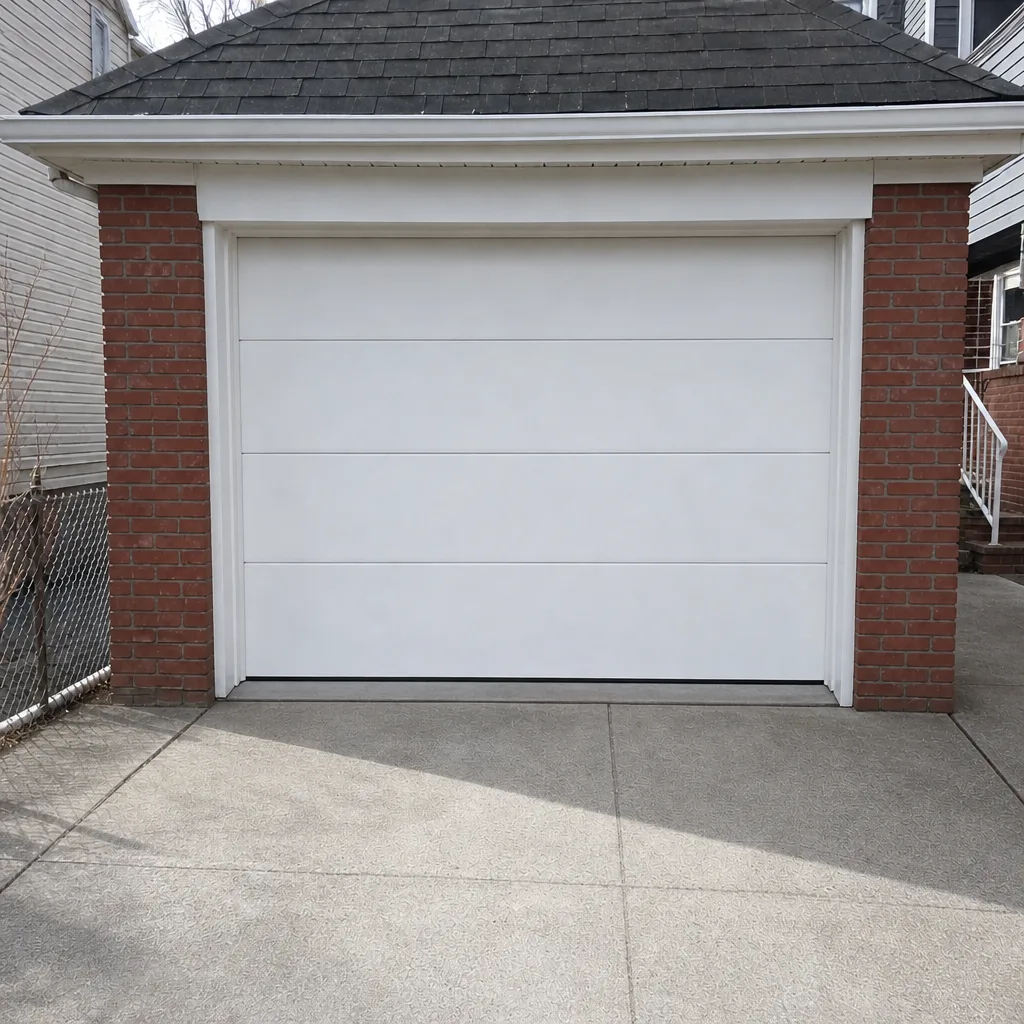 After
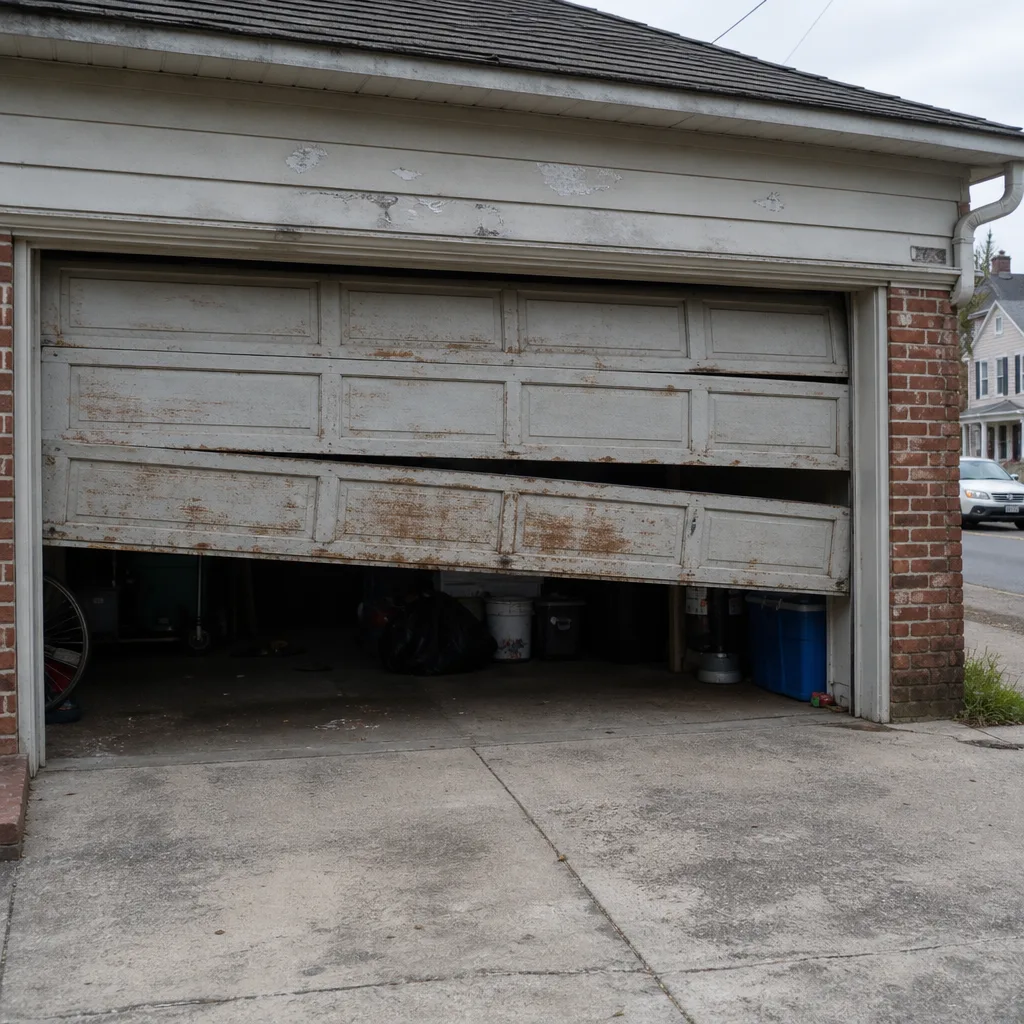 Before
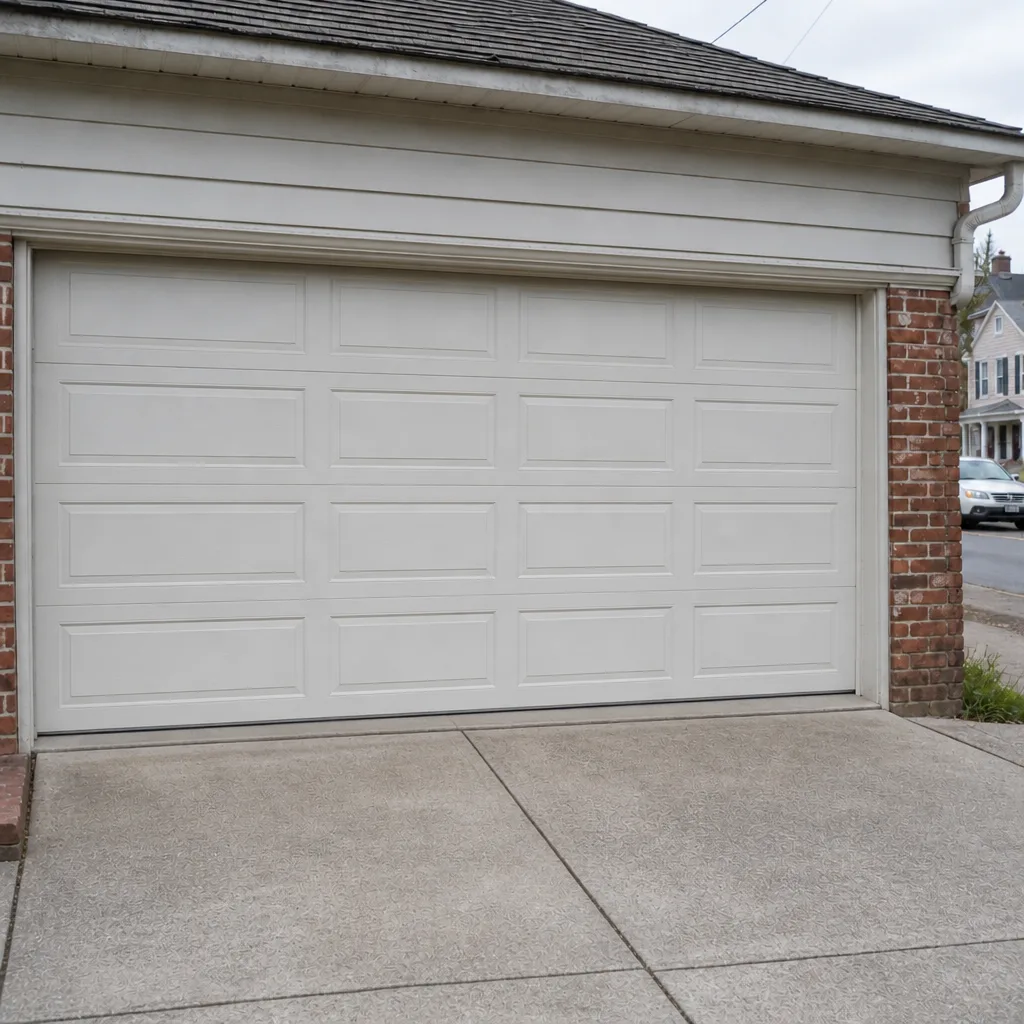 After
Common Mistakes to Avoid
- Spraying WD-40 on the springs. It’s the most common product in a garage and the wrong one for a torsion spring. It thins out the protective film and attracts grit. Use a silicone or lithium grease instead.
- Lubricating the tracks. Tracks are a guide, not a bearing. Lubricant collects into a paste that drags on the rollers and makes the door harder to move.
- Ignoring a door that reverses halfway up. This is almost always a tension problem, and it’s the clearest sign the springs are losing their hold. It’s a professional call, not a repair manual exercise.
- Skipping the pre-winter tension check in Sheepshead Bay. October is the month when a marginal spring can be caught before January cold pushes it over the edge. Miss it and you find out the hard way.
- Leaving the same latch and seal on for years.The bottom seal on a Sheepshead Bay garage takes rain and wind driven under the door, and once it cracks, water gets into the sill. It’s a cheap replacement and a costly oversight.
- Adjusting the opener force setting to compensate for a heavier-feeling door. If the door feels harder to lift, the problem is in the springs or alignment. Turning up the force just makes the opener work harder against a fault, and it can burn out the motor.
- Trying to replace a torsion spring yourself. It’s under dangerous tension, and the tools and procedures for winding a spring safely are not standard homeowner equipment. This is the one repair where the money saved is not the point.
When to Call a Professional
Call a professional when the balance test fails, when the door reverses or stops partway, when a cable looks frayed or has come off its drum, when the opener’s safety reverse doesn’t work, or when you hear a loud bang from the garage and the door won’t lift. Those are all symptoms of a component that has failed or is close to failing, and none of them are safe to investigate without training. A door that won’t close is also a security issue: an open door is an open garage, and we treat it that way.
For a scheduled check, a spring issue, or an opener that’s stopped responding, call Garage Door Repair Sheepshead Bay. Free estimates are available in Sheepshead Bay, call (833) 954-3381.
Frequently Asked Questions
Once a year professionally, with quarterly at-home lubrication and balance checks in between. Doors that get heavy use, or that face freezing winters and humid summers, benefit from the annual visit being in the fall, before the cold puts extra strain on the springs. Call (833) 954-3381 to schedule a check.
Springs, hinges and rollers get a silicone or lithium grease sparingly; tracks get nothing but a dry wipe. Never use a thin general-purpose penetrant on springs, and never put lubricant on the track surface. The right product for each part is in the lubricant section above.
No. Torsion and extension springs are under dangerous tension, and winding one without the correct tools and training can cause serious injury. This is the single repair where we’d advise against DIY every time. Call a trained technician; springs are the most common repair we handle.
Pull the manual release, lift the door halfway by hand, and let go. A balanced door stays put. A door that drops or creeps down on its own is unbalanced, which usually points to spring tension loss and means you should stop using the door until it’s checked.
Most likely yes. We service LiftMaster, Chamberlain, Genie, Clopay, Amarr, Wayne Dalton, Craftsman and Raynor equipment, which covers the vast majority of residential systems. If your unit is one of these, we work on it; if you’re not sure, tell us what’s on the door and we’ll confirm.
A tune-up is preventive: adjustments, lubrication, safety checks and assessment of wear before it becomes a failure. A repair fixes a component that has already failed. Tune-ups are scheduled; repairs are often urgent. Both happen on a single visit when a part needs replacing, and the price is quoted and agreed before any work starts.
The Bottom Line
A garage door maintenance schedule only works if it’s built around how the door actually ages. In Sheepshead Bay that means a pre-winter tension check in October, a harness check after every nor’easter, and a humidity look at the alignment in July. It also means using the right product on each part, running the balance and force tests quarterly, and knowing when maintenance is extending a component’s life and when a replacement is the better spend. The springs, cables and opener force settings are the three things to leave to a trained technician. Everything else, you can do yourself. Call (833) 954-3381 for a free estimate and a written price before any work starts.
Written by the team at Garage Door Repair Sheepshead Bay.