Last updated November 21, 2026
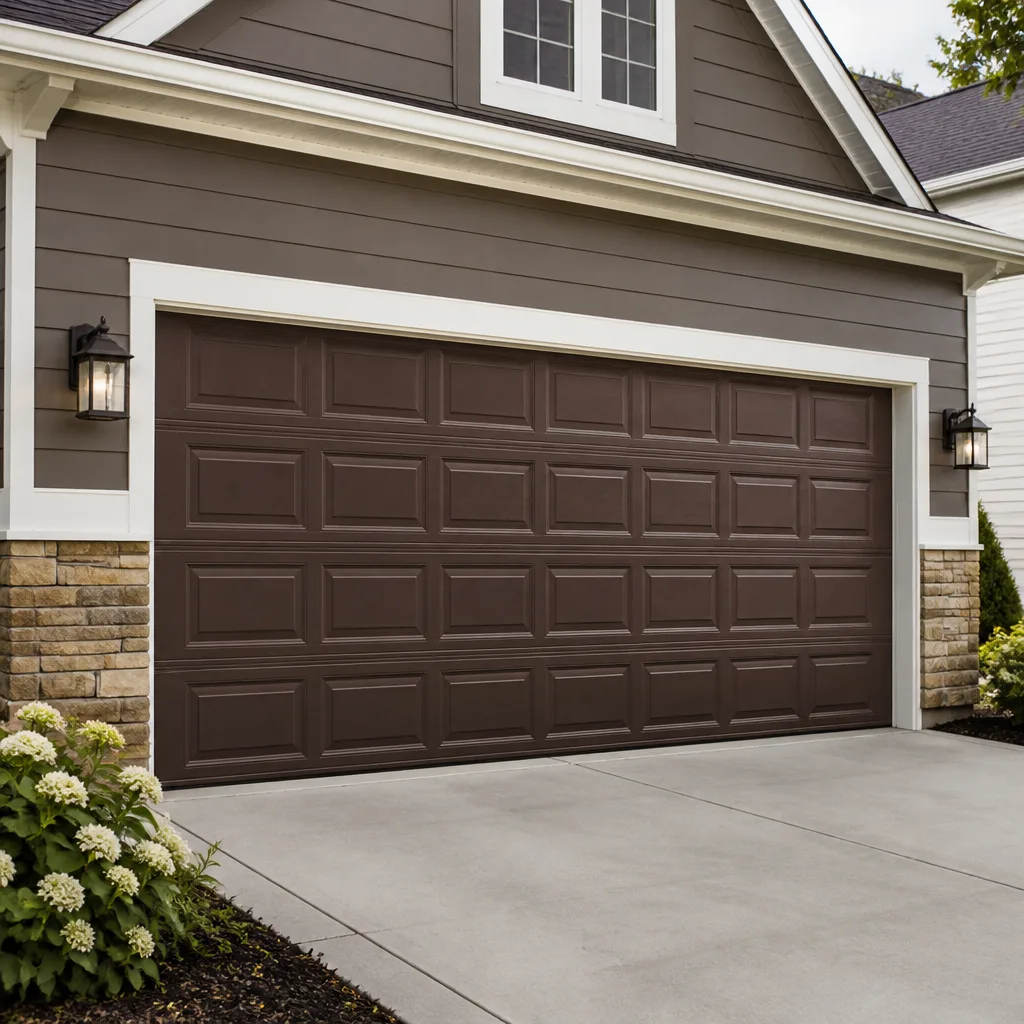 Raised-panel steel
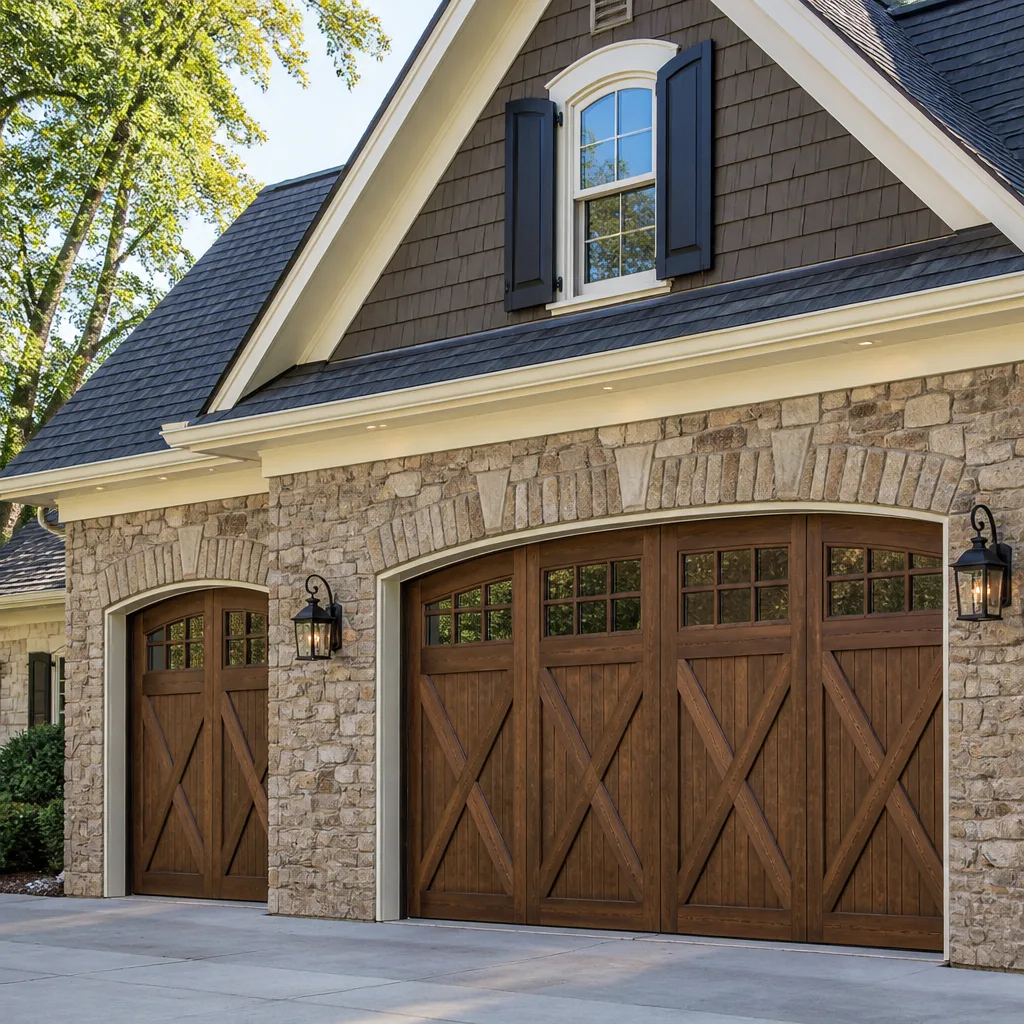 Carriage house
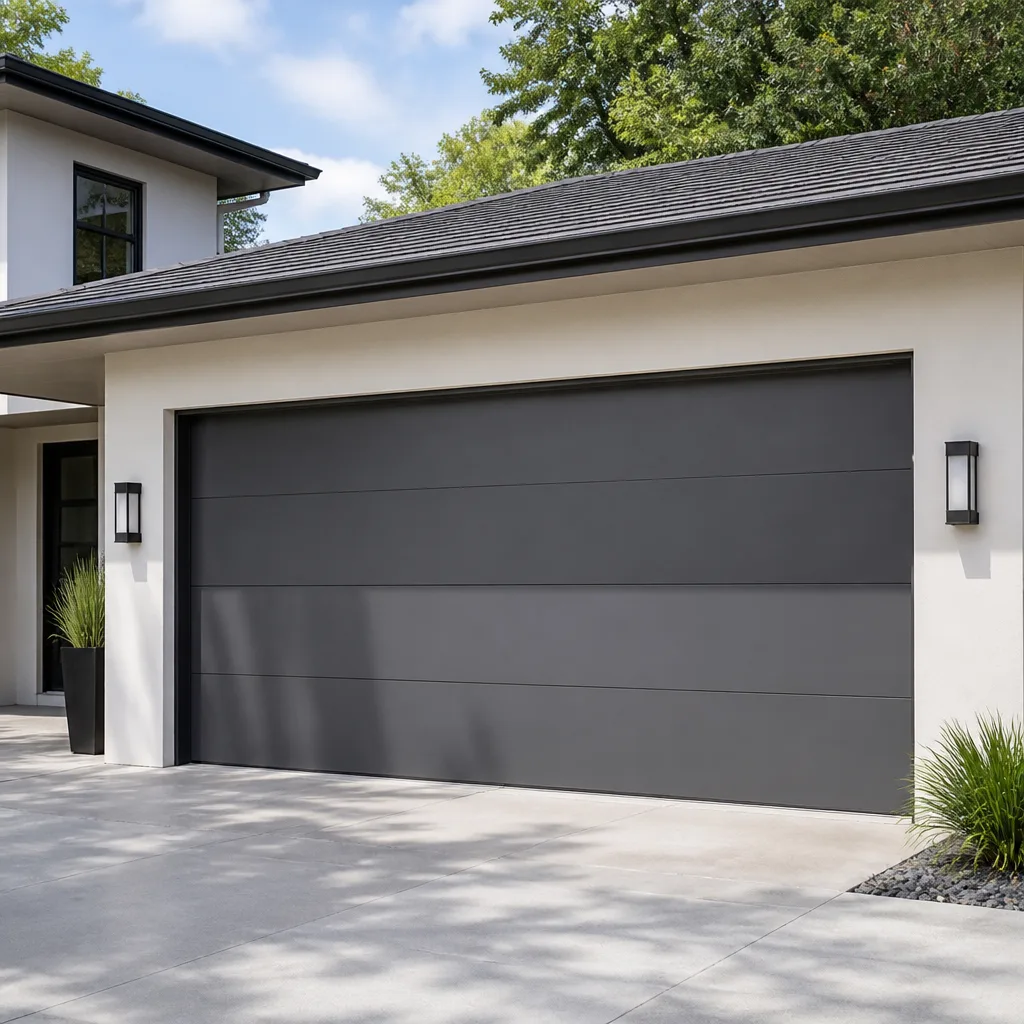 Modern flush
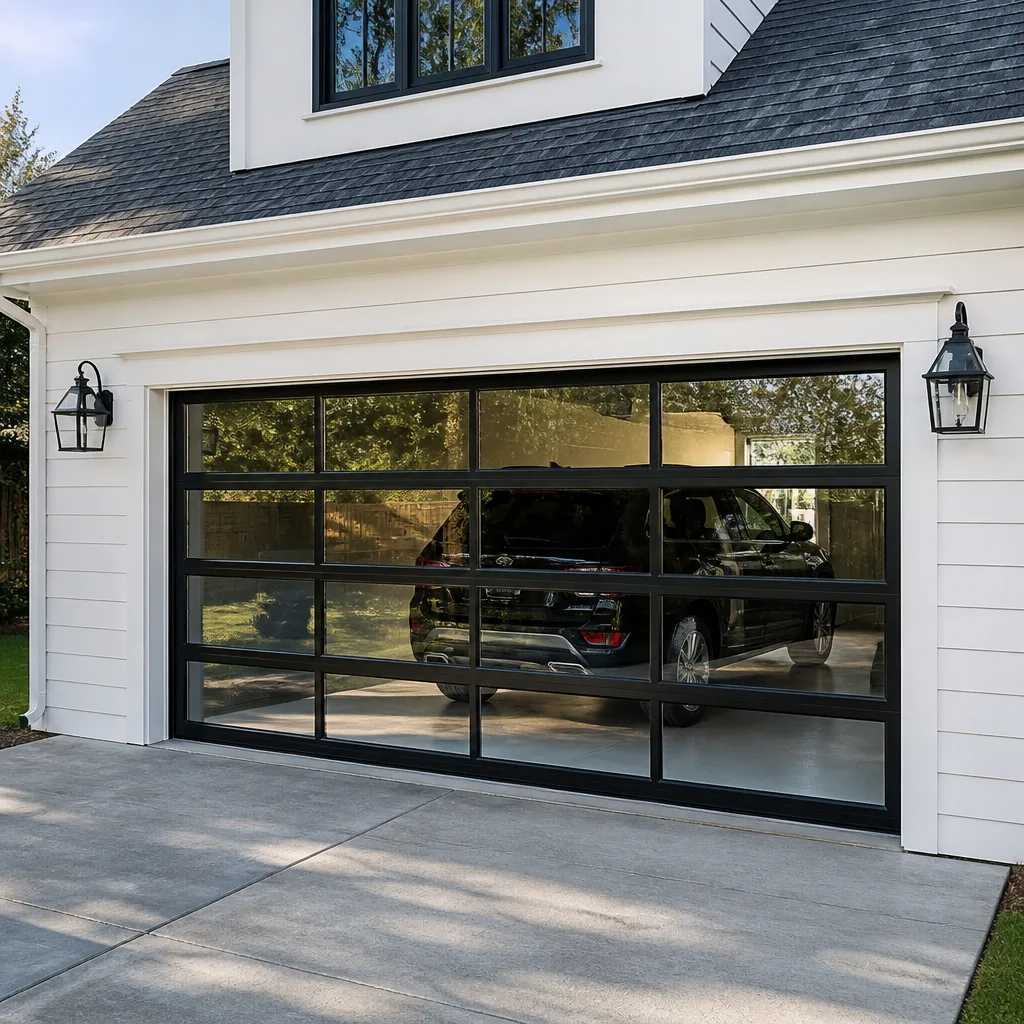 Full-view glass
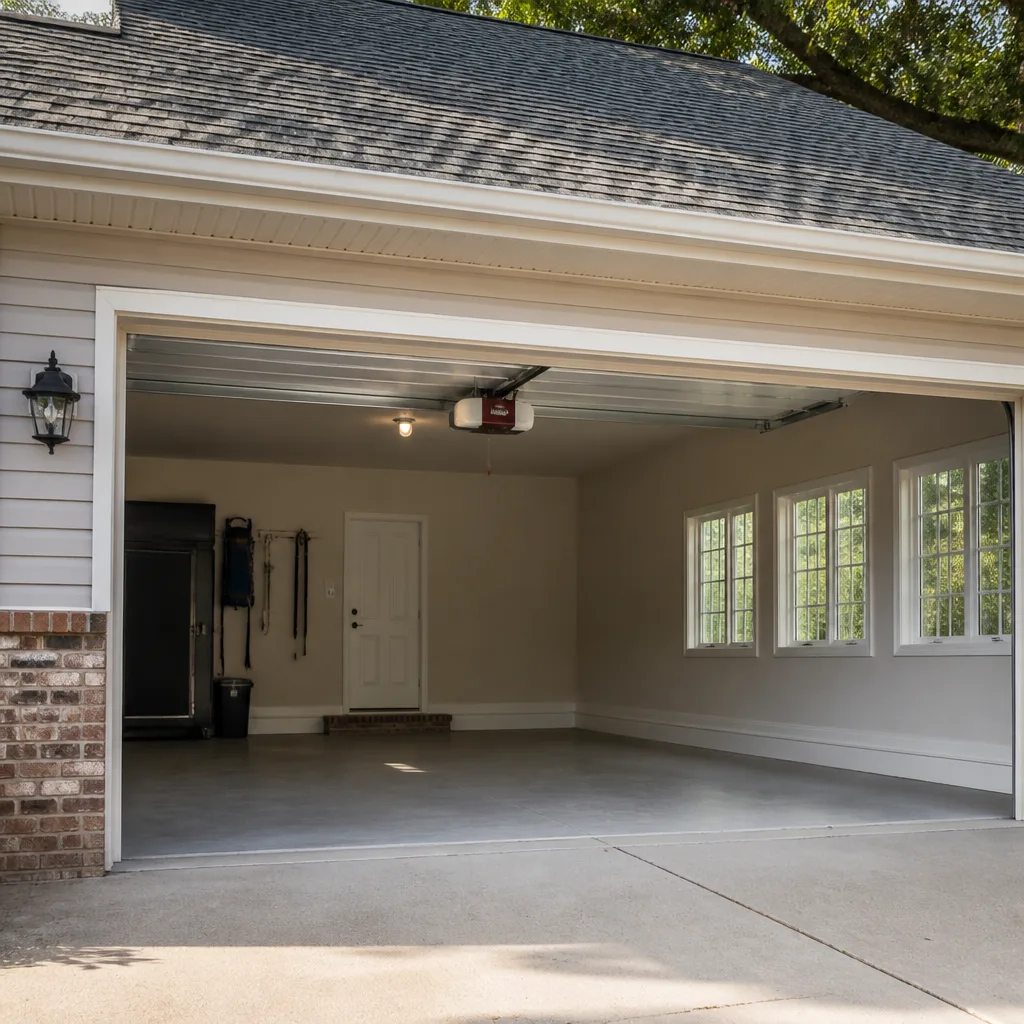 LiftMaster openers
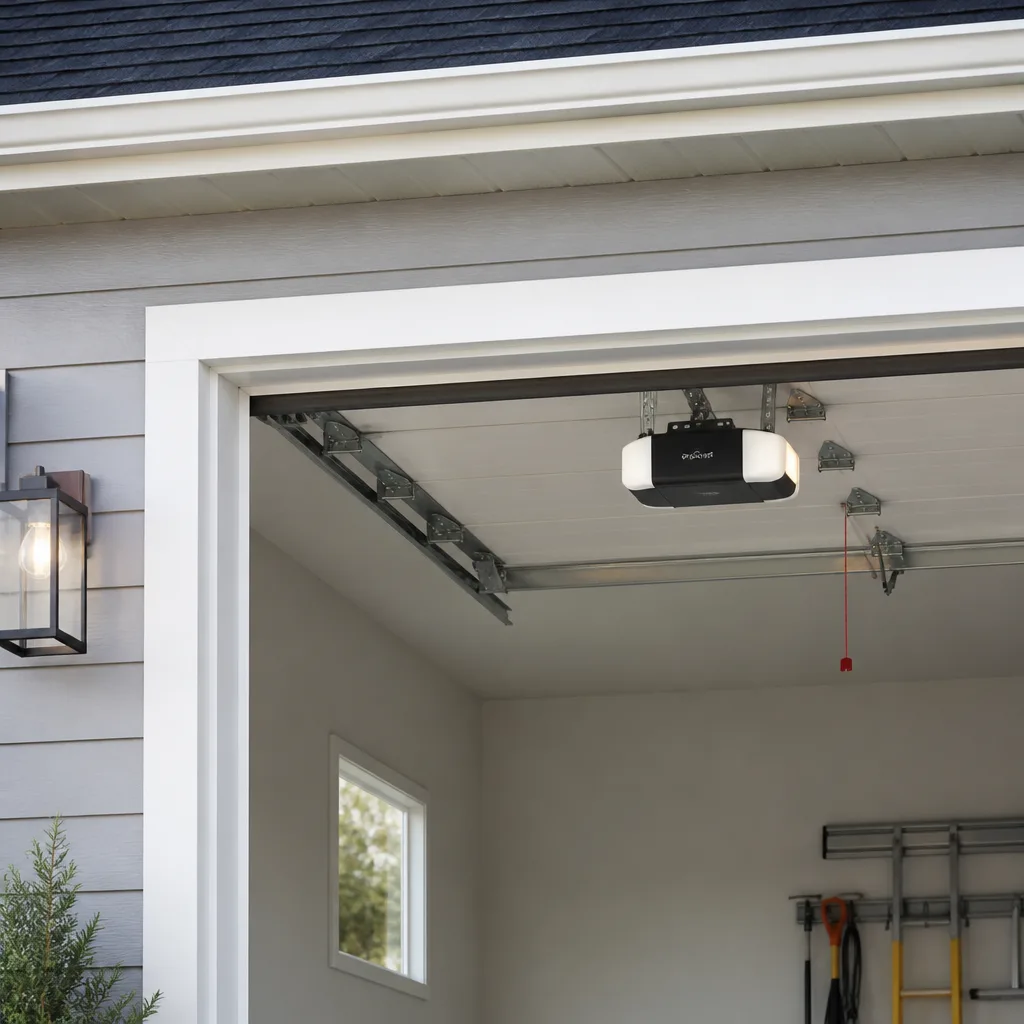 Chamberlain openers
Full 25-point door and opener safety check with every visit - springs, cables, rollers, tracks, and your LiftMaster or Chamberlain opener included
You get a price before we start. It does not change when the pro arrives.
Get your free estimateSeasonal Garage Door Care for Sheepshead Bay: Year-Round Homeowner’s Guide
February in Sheepshead Bay isn’t just cold. It’s wet-cold, and that combination does more damage to garage door springs than the driest polar vortex snap you’ll ever see. Water works its way into the coil gaps, sits there as temperatures bounce above and below freezing, and speeds up the metal fatigue that eventually snaps a spring. Homeowners here tend to blame the coldest night of the year for a broken spring when the real culprit was six weeks of damp. This guide walks you through a maintenance calendar built around what actually happens to a door near the water in Sheepshead Bay, month by month, so you’re catching problems before they catch you.
Quick Answer
Garage door care in Sheepshead Bay runs on a different clock than generic Northeast guides suggest. The marine layer keeps winters wetter and summers more humid, so the critical windows are late fall (before moisture locks in corrosion), late winter (after freeze-thaw cycles), and early summer (before humidity swells wood doors and strains openers). A 20-minute inspection at each of those three points prevents most of the failures we see.
Styles & brands we work with
- Raised-panel steel
- Carriage house
- Modern flush
- Full-view glass
- LiftMaster openers
- Chamberlain openers
Table of Contents
- Why Sheepshead Bay’s Climate Rewrites the Maintenance Calendar
- The Month-by-Month Sheepshead Bay Garage Door Schedule
- Fall Preparation: Why Moisture Control Matters More Than Cold
- Summer Humidity, Wood Doors, and Opener Limit Settings
- Storm Preparation for a Garage Door in Sheepshead Bay
- The Post-Winter Inspection Sequence
- What You Should Never Adjust Yourself
- Matching Seasonal Care to Your Door and Opener Brand
Why Sheepshead Bay’s Climate Rewrites the Maintenance Calendar
Most garage door maintenance guides are written for a climate that gets four clean seasons. Sheepshead Bay doesn’t. The water sits close enough that the air holds more moisture through the winter than it does a few miles inland, and that same moisture hangs around through July and August. What that means for your door is simple: the two things that wear out garage door hardware fastest are water and temperature swings that keep the water moving in and out of tight spaces. Sheepshead Bay gets both, in a pattern that doesn’t match the standard advice.
Springs are the clearest example. A torsion or extension spring is a coil of steel under constant tension. Every time moisture gets into the gaps between coils and then freezes, it expands, and every thaw lets it contract again. That cycle works the metal the same way bending a paperclip back and forth does. Our technicians have up to 13 years of experience watching this play out, and the pattern is consistent: springs here tend to fail in late winter and early spring, after weeks of wet-cold, not during the single coldest night.
Wood doors tell a similar story. In a drier climate, a wood door might swell a little in summer and shrink back in fall. Here, the humidity is high enough for long enough that a wood door can stay swollen for weeks, which puts steady pressure on hinges, rollers, and the opener’s motor. The door isn’t broken. It’s just working harder than it should, and that shows up as a strained opener or a door that drags.
Metal doors aren’t immune either. The freeze-thaw cycle loosens fasteners, works track anchors out of the wall, and lets water sit in the bottom panel where it can’t drain. None of this happens overnight. It accumulates quietly until something gives, usually at the worst possible time. The fix is a schedule that catches each of these problems at the season where it starts, which is what the rest of this guide lays out.
The Month-by-Month Sheepshead Bay Garage Door Schedule
Here’s the calendar we’d hand a homeowner in Sheepshead Bay if they asked what to do and when. It’s built around the moisture patterns here, not a generic four-season model, and it assumes a door that’s already in working order. If your door is currently broken, skip ahead to garage door repair and get it sorted first.
- January: After any stretch of wet-cold, look at the springs and the bottom panel. Check that the door opens and closes smoothly without a grinding sound. If the door feels heavier than usual, stop using the opener and have the springs checked.
- February: This is spring failure season. Listen for a loud bang from the garage (a snapped spring), and check that the door stays up when you lift it halfway by hand. Don’t force it if it doesn’t.
- March: Freeze-thaw season. Inspect the track for gaps where it meets the wall, check the hinges and rollers for looseness, and look at the bottom seal for cracks or tears.
- April: Post-winter inspection (see the full sequence below). This is the month to catch damage before the first warm, humid week compounds it.
- May: Before humidity climbs, lubricate the springs, hinges, and rollers with a garage-door-specific lubricant (not WD-40). Test the opener’s safety reverse.
- June: Adjust the opener’s limit settings if a wood door is starting to swell. Check that the door closes fully without the opener straining.
- July – August: Peak humidity. Watch for a door that drags or an opener that sounds labored. Clean and re-lubricate metal parts that show surface rust.
- September: Fall preparation month. Clean the door’s surface and inspect for any corrosion that started over the summer, which will only get worse once winter moisture sets in.
- October: Weatherstrip and seal check. Replace worn bottom seals and side seals before winter. Tighten all track fasteners.
- November: Final pre-winter tune-up. Test the safety reverse, check the balance, and confirm the springs are under proper tension.
- December: Monitor. Keep the area around the door clear, and don’t let snow or ice pile against the bottom panel. Watch for any change in how the door sounds or feels.
Not every item on that list takes a professional. Lubrication, visual inspection, and seal replacement are reasonable homeowner tasks. The rest depends on your comfort level and the condition of the door.
Fall Preparation: Why Moisture Control Matters More Than Cold
Every fall guide tells you to prepare for cold. In Sheepshead Bay, the bigger threat is moisture, and it starts well before the first hard freeze. Fall is when the air gets damp and stays damp, and any corrosion or surface rust already on your door has a chance to set in for the winter. Once winter locks that in, you’re dealing with it in spring instead of preventing it in fall.
Here’s the fall checklist we recommend, in order:
- Clean the door’s surface thoroughly. Dirt and grime hold moisture against the metal or wood. A simple wash and dry removes the layer that lets corrosion start.
- Inspect for existing rust or corrosion. Small spots on hinges, rollers, and the bottom panel are much easier to treat in October than in March. Treat what you find before winter.
- Check and replace weatherstripping. The bottom seal and the side seals are what keep moisture out of the garage in the first place. A cracked or hardened seal lets water in all winter. This is one of the cheapest, highest-impact items on the whole calendar.
- Lubricate everything that moves. Springs, hinges, rollers, and the track. Use a lubricant made for garage doors, not a general-purpose spray. The lubricant is also a moisture barrier through the wet months.
- Tighten fasteners. Freeze-thaw cycles loosen track anchors and hinge screws. A quick pass with a socket wrench in October saves you a track problem in February.
- Test the balance and the safety reverse. If the door doesn’t balance properly in fall, winter will make it worse. Better to know now.
One more fall-specific point: if your door has any wood components, check for soft spots or paint failure before winter. Paint is the wood’s moisture barrier. Once it fails, water gets in, and a wet winter can do real damage to a wood door in Sheepshead Bay faster than you’d expect.
Summer Humidity, Wood Doors, and Opener Limit Settings
Summer in Sheepshead Bay is humid enough that a wood garage door can swell measurably. The door isn’t damaged. It’s just bigger than it was in April, and that extra size changes how it fits in the opening and how much work the opener has to do.
The first sign is usually a door that closes but doesn’t quite seat, or one that the opener has to push harder to close. That’s your cue to check the opener’s limit settings. The limit settings control how far the door travels before the opener stops. If the door has swelled, the factory setting may no longer match, and the opener ends up forcing the door against the floor or the header. That’s hard on the door, hard on the opener’s gears, and eventually hard on your wallet.
How to know it’s time to adjust:
- The door closes but leaves a visible gap at the bottom, or the opener stops before the door is fully down.
- The opener sounds strained or makes a grinding noise in the last few inches of travel.
- The door reverses immediately on closing even when nothing is in the way.
- The door is harder to open by hand than it was in spring.
Adjusting the limit settings on a modern opener is a homeowner-level task on most units, but the process differs by brand. LiftMaster, Chamberlain, Genie, and Craftsman openers all use different adjustment procedures, and getting it wrong can leave the door in a worse position. If you’re not sure which procedure applies to your unit, that’s a good moment to call in help. If the opener itself is failing rather than just misadjusted, that’s garage door opener repair territory.
The other summer task is rust control. High humidity means any bare metal on the door, especially hinges and rollers, will start to show surface rust. A light coat of lubricant in May and again in July keeps that from becoming a real problem by fall.
Storm Preparation for a Garage Door in Sheepshead Bay
A garage door is the largest moving surface on most homes, and it’s also the weakest point in the building envelope during a storm. Sheepshead Bay sits in a position where coastal weather events are a real seasonal concern, and a door that’s loose, poorly sealed, or has aging hardware is the one most likely to fail when wind and rain hit hard. Preparing for that is a fall and early-winter project, not something to attempt the night before a storm.
What storm preparation actually involves:
- Check the track and anchors. A track that’s loose in the wall can pull free under wind load. Tighten every anchor and replace any that are stripped or pulled out.
- Inspect the door’s structural panels. Any panel that’s dented, cracked, or separating is a weak point. For a wood door, check for rot in the bottom sections.
- Verify the weatherseal. The bottom seal and side seals are what keep wind-driven rain out. A worn seal lets water in, and water inside a garage during a storm is a real problem.
- Check the balance and springs. A door that’s out of balance puts uneven stress on the track and hardware during wind load. Springs that are near the end of their life should be replaced before a storm, not after.
- Clear the area around the door. Make sure nothing is stored against the door or in the track path. Loose objects in the garage become projectiles in high wind if the door fails.
If you’re concerned about a door that’s already showing weakness, a pre-storm assessment is worth doing. A door that’s structurally sound and properly sealed handles most weather without drama. A door that’s been neglected for a few seasons is the one that becomes a problem. If your door needs replacing rather than reinforcing, that’s a conversation to have before storm season, not during it, and our garage door installation service can walk you through the options.
The Post-Winter Inspection Sequence
March and April are the most important inspection months in Sheepshead Bay. Winter’s freeze-thaw cycles have done their work, and if you don’t catch the damage now, the first warm, humid week of May will compound it. A spring that’s partially fatigued in March can fail completely once the door starts swelling in the humidity. A track that’s slightly loose in March can pull free by June.
Here’s the sequence we recommend, in order:
- Test the door’s balance. Disconnect the opener and lift the door halfway by hand. It should stay where you put it. If it drops or rises on its own, the springs are out of balance or failing.
- Inspect the springs visually. Look for gaps, rust, or a visible gap in a torsion spring. Any of these means it’s time for a professional assessment.
- Check the track alignment. Look for gaps where the track meets the wall, and check that the track is straight and parallel. Freeze-thaw cycles can shift the track out of alignment.
- Test every hinge and roller. Spin each roller by hand. It should turn freely. A roller that drags or wobbles needs replacing. Check each hinge for looseness.
- Inspect the bottom seal and side seals. Winter is hard on seals. Look for cracking, hardening, or tears.
- Test the opener’s safety reverse. Put a small object in the door’s path and close it. The door should reverse immediately. If it doesn’t, the opener needs adjustment before you use it again.
- Look for water damage or corrosion. Check the bottom panel and any wood components for soft spots, rust, or paint failure.
If any of these checks turns up a problem, that’s when you call. Addressing it in April is much cheaper than addressing it in July after a compound failure.
What You Should Never Adjust Yourself
Most of the seasonal care in this guide is safe for a homeowner. Some of it isn’t, and it’s worth being clear about the line. Garage door springs are under extreme tension, and they can cause serious injury or worse if they release unexpectedly. The same is true of the cables that run alongside them.
- Never try to adjust, tighten, or replace a spring yourself. Torsion springs in particular require specialized tools and specific knowledge of how the spring is wound. A spring that lets go under tension is a genuine hazard.
- Never touch the cables. They’re under the same tension as the springs and fail the same way.
- Don’t try to straighten a bent track with the door still on it. The door can come down unexpectedly. This is a job for a technician.
- Don’t force a door that’s stuck or off-track. Forcing it can turn a repairable problem into a full replacement.
- Don’t adjust the opener’s force settings to compensate for a door that’s binding. The force setting is a safety feature. Adjusting it to push through a problem removes the protection that keeps the door from injuring someone.
Springs and cables are the one area where we tell homeowners to stop and call. Our technicians have up to 13 years of experience with spring repairs, and that’s the kind of work that should stay with trained hands. Everything else on the calendar, you can handle.
Matching Seasonal Care to Your Door and Opener Brand
The seasonal schedule applies to any door, but the specifics of maintenance and repair depend on what you have. We work on eight major brands, which covers the vast majority of residential doors and openers in Sheepshead Bay.
On the door side, Clopay and Amarr are among the most common brands we see, and both have their own maintenance considerations. Clopay’s steel and wood doors have specific seal and finish requirements, while Amarr doors have their own hardware patterns. On the opener side, LiftMaster, Chamberlain, Genie, and Craftsman units each have different limit adjustment procedures, different safety reverse tests, and different failure patterns. Knowing your brand matters when something goes wrong, because the diagnostic approach and the parts are different.
A few brand-specific notes for seasonal care:
- Clopay and Amarr wood doors need more frequent finish checks than steel doors, especially in a humid climate. Inspect paint or stain every fall.
- LiftMaster and Chamberlain openers often have smart features that can alert you to a problem before it becomes a failure. Check the app if you have one.
- Genie and Craftsman openers tend to have force and limit settings that need adjustment more often in a humid climate, especially on wood doors.
- Wayne Dalton and Raynor doors have specific hinge and roller configurations that matter when it’s time to replace worn parts.
We also work on Chamberlain, Genie, Clopay, and Amarr equipment alongside LiftMaster, Wayne Dalton, Craftsman, and Raynor, so if you’re not sure what you have, we can identify it on the first visit. For a full picture of what we handle, see our Garage Door Repair Sheepshead Bay page.
Common Mistakes to Avoid
- Waiting until something breaks to think about maintenance. In Sheepshead Bay’s climate, the damage happens in the shoulder seasons, not on the day of failure. A spring that fails in February was failing since December.
- Using WD-40 on the springs and hinges. It’s a solvent, not a lubricant, and it strips the protective coating that keeps moisture out. Use a garage-door-specific lubricant.
- Ignoring the weatherstripping. It’s the cheapest part on the door and the one that keeps moisture out. A worn seal lets water in all winter, and water is what causes most of the damage here.
- Adjusting the opener’s force setting to compensate for a binding door. That’s a safety feature, and overriding it removes the protection. Fix the door, not the setting.
- Skipping the post-winter inspection. The freeze-thaw damage is already done by March. Waiting until summer to check lets the first hot, humid week compound it.
- Forcing a door that’s off-track or stuck. This is how a repairable track problem becomes a full door replacement, and it’s a safety risk.
- Assuming a newer door doesn’t need seasonal care. A new door still has springs, seals, and an opener, and all of them are affected by humidity and freeze-thaw cycles the same way.
See the difference
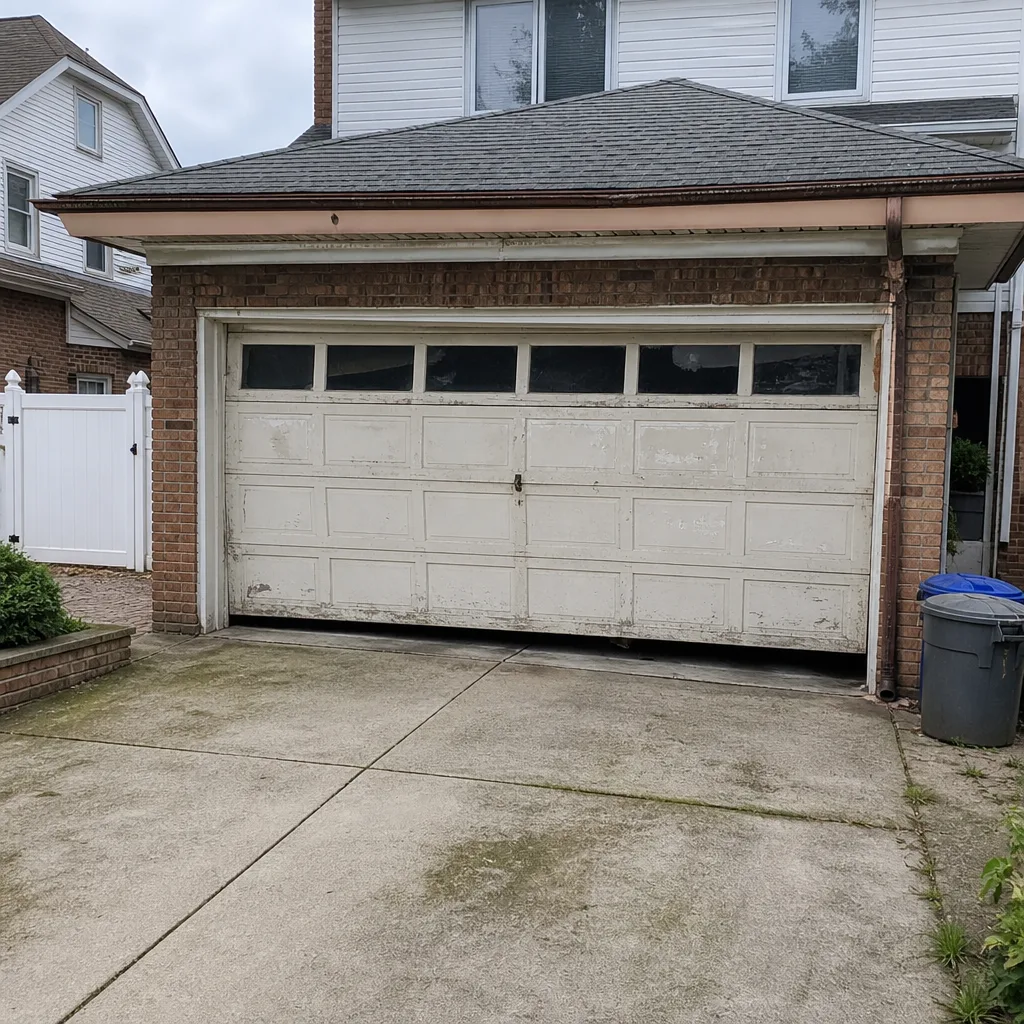 Before
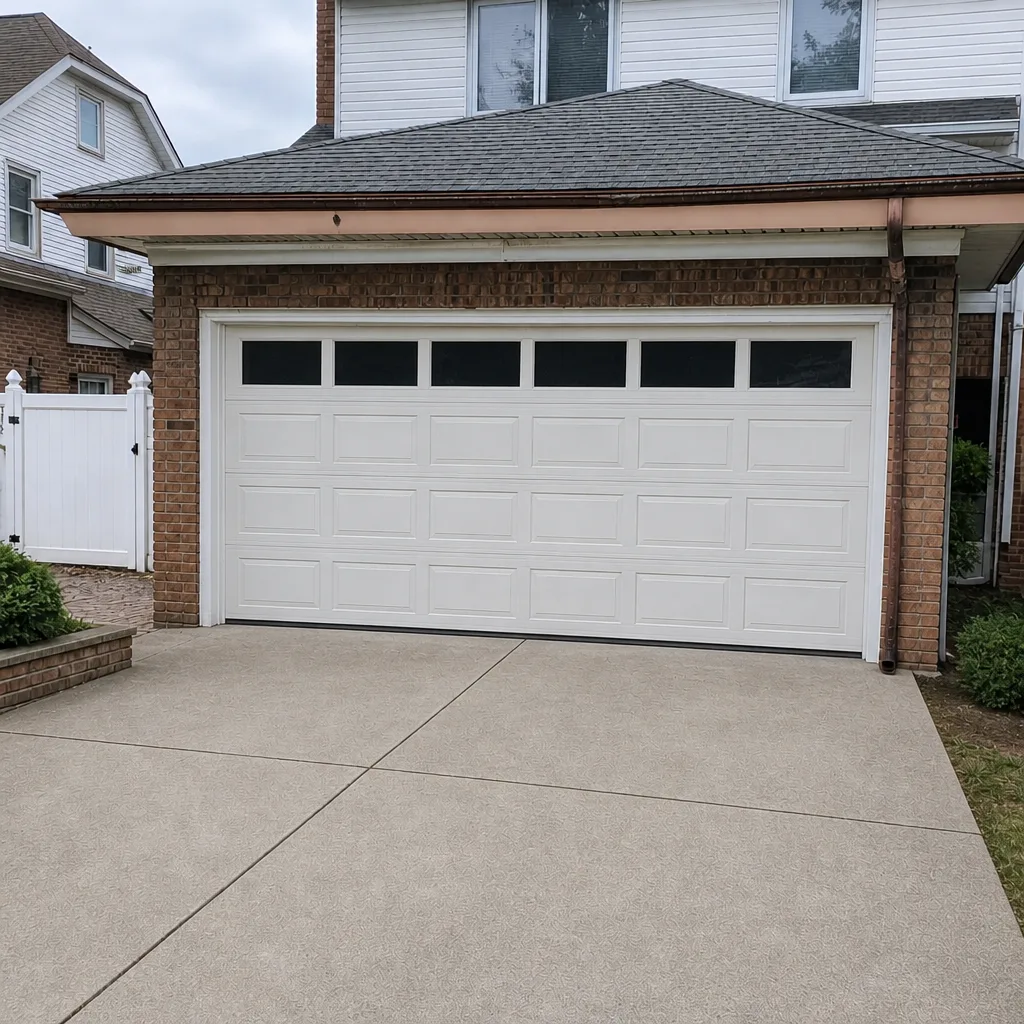 After
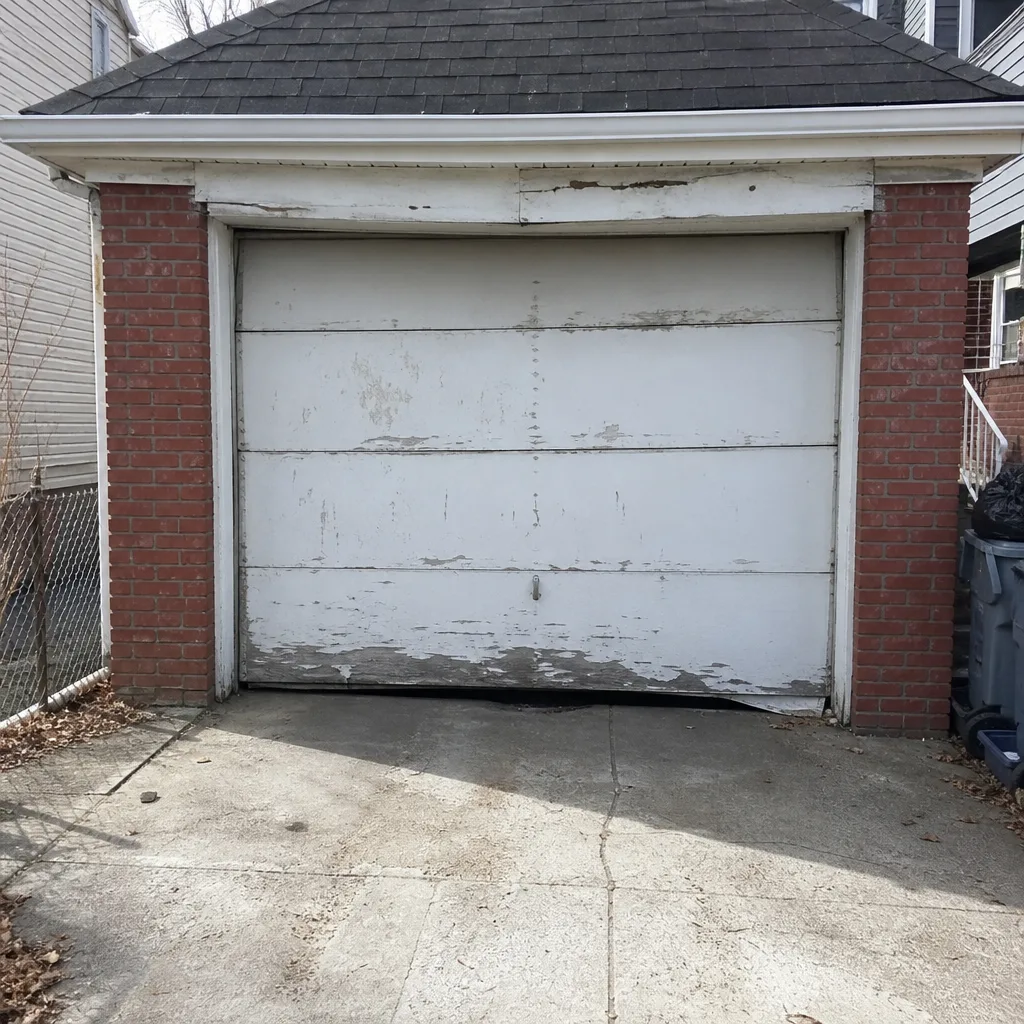 Before
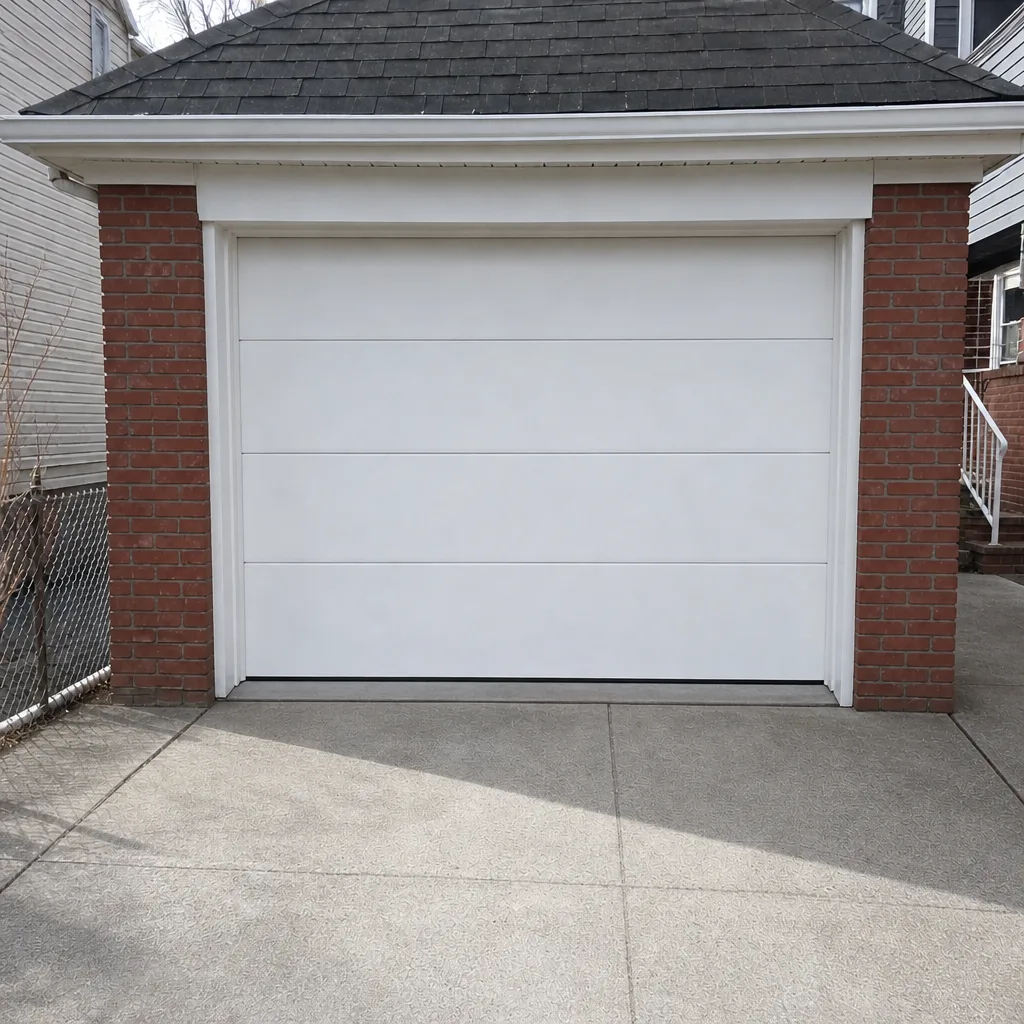 After
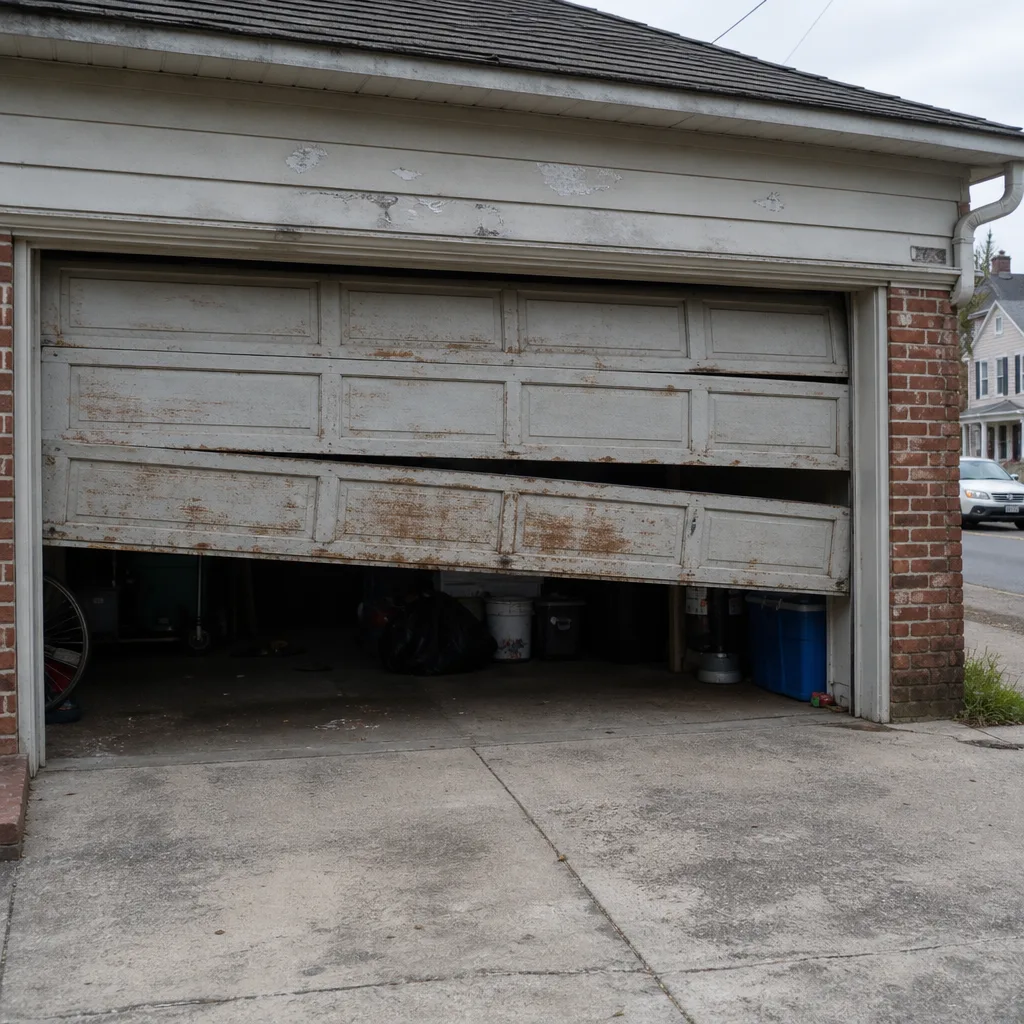 Before
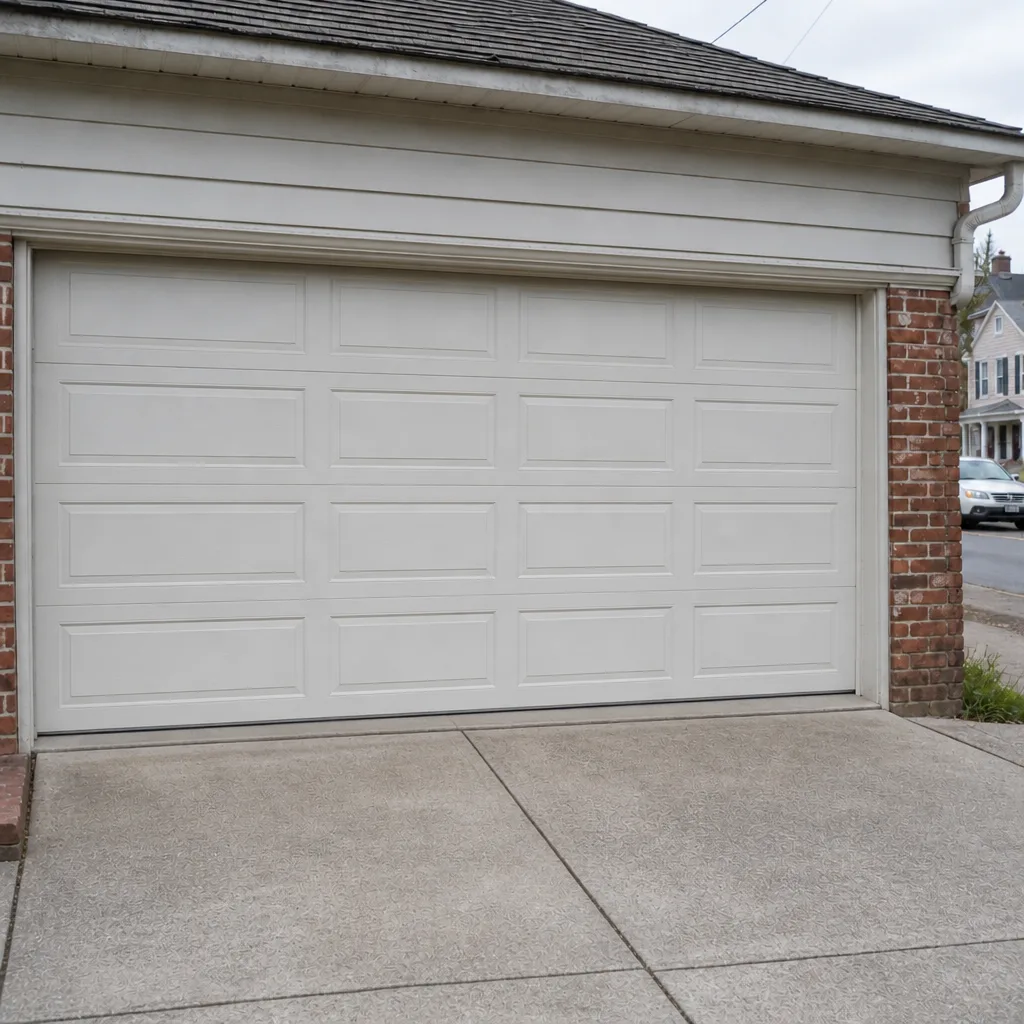 After
When to Call a Professional
Call a professional if the door won’t balance, if you see a gap in a spring, if the door is off-track, if the opener reverses on closing when nothing is in the way, or if the door feels heavier than it used to. Any of those signs point to a problem that seasonal maintenance alone won’t fix. Also call if you’re not sure what you’re looking at; a professional assessment is quicker and safer than guessing. Garage Door Repair Sheepshead Bay offers free estimates in Sheepshead Bay. Call (833) 954-3381, and we’ll tell you what’s going on and what it takes to fix it. We’re open Sunday through Friday, 7am to 7pm, and closed Saturday.
Frequently Asked Questions
Twice a year, at minimum, and the best timing here is late fall and late winter. Fall service prepares the door for the wet months and locks out moisture before winter. Late winter service catches freeze-thaw damage before the first humid week compounds it. A third check in early summer helps if you have a wood door, because that’s when humidity swelling starts.
Late spring or early fall, when the weather is mild and the door isn’t dealing with peak humidity or wet-cold. That’s also when installation scheduling is easiest. If your door is failing, don’t wait for the ideal season. Call (833) 954-3381 for an estimate, and we’ll help you decide whether repair or replacement makes more sense right now.
Most of it, yes. Lubrication, visual inspection, seal replacement, and tightening fasteners are all reasonable homeowner tasks. Springs and cables are the exception. Those are under extreme tension and should only be handled by a trained technician.
Because of the wet-cold, not the cold itself. Moisture gets into the coil gaps, freezes, expands, and thaws repeatedly, which works the metal until it fatigues. A dry cold snap doesn’t cause that cycle. A wet-cold winter like the ones here does, which is why spring failures tend to cluster in late winter and early spring.
We’re closed Saturday and open Sunday through Friday, 7am to 7pm. If your door fails on a Saturday, call and we’ll book you for Sunday.
Call for emergency service. A stuck-open door leaves your home exposed, and it’s a security concern as much as a maintenance issue. Call (833) 954-3381, and we’ll get a technician out to address it. If the door is stuck open and a storm is coming, don’t try to force it down yourself.
The Bottom Line
Sheepshead Bay’s climate doesn’t follow the standard four-season maintenance calendar. The marine layer keeps winters wetter and summers more humid, which shifts the timing of everything. The critical windows are fall (before moisture locks in), late winter (after freeze-thaw cycles), and early summer (before humidity swells wood doors and strains openers). Most of the work is inspectable by a homeowner, and 20 minutes at the right time of year prevents most of the failures we see. Springs and cables are the exception: those stay with a trained technician.
If you’d rather have a professional handle the seasonal checks, or if something’s already gone wrong, call (833) 954-3381 for a free estimate. We work on eight major brands and cover the full range of service, from spring repair to new installation.
Written by the team at Garage Door Repair Sheepshead Bay.