Last updated November 21, 2026
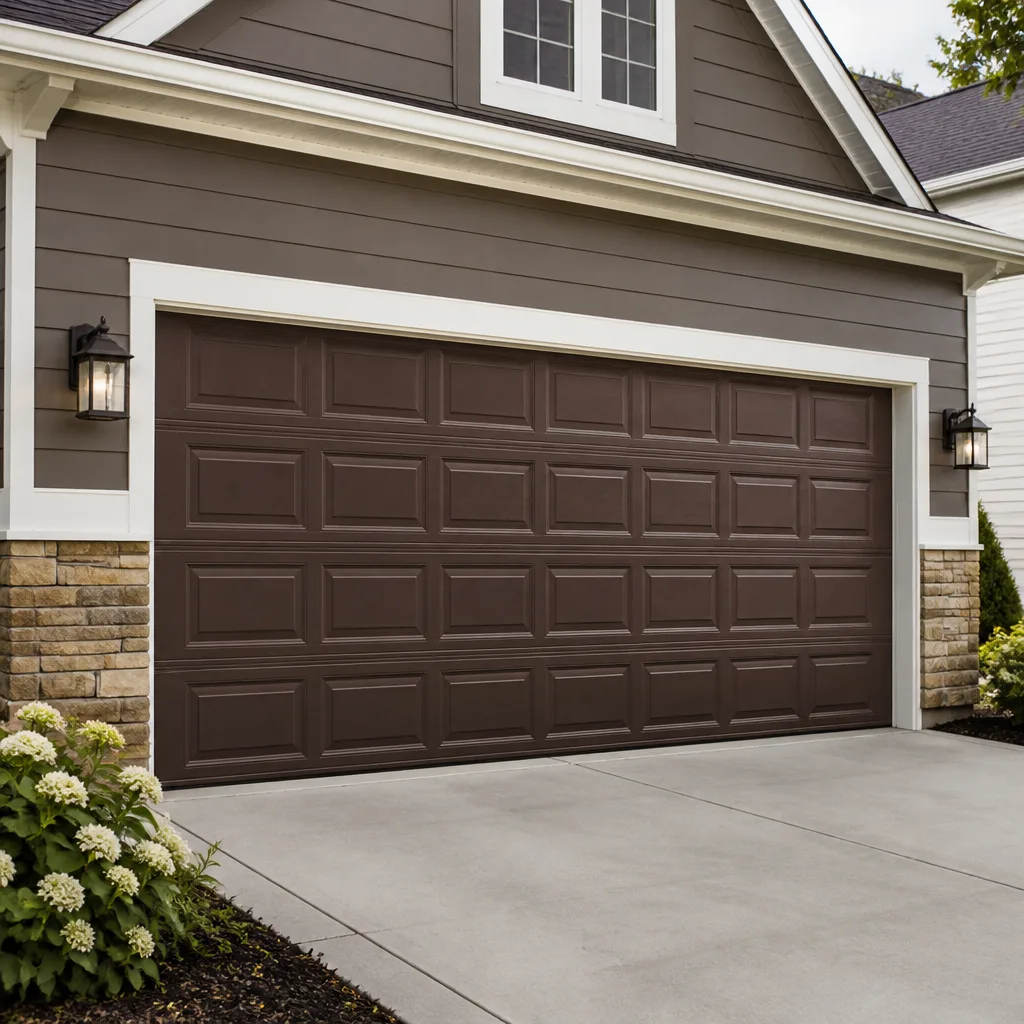 Raised-panel steel
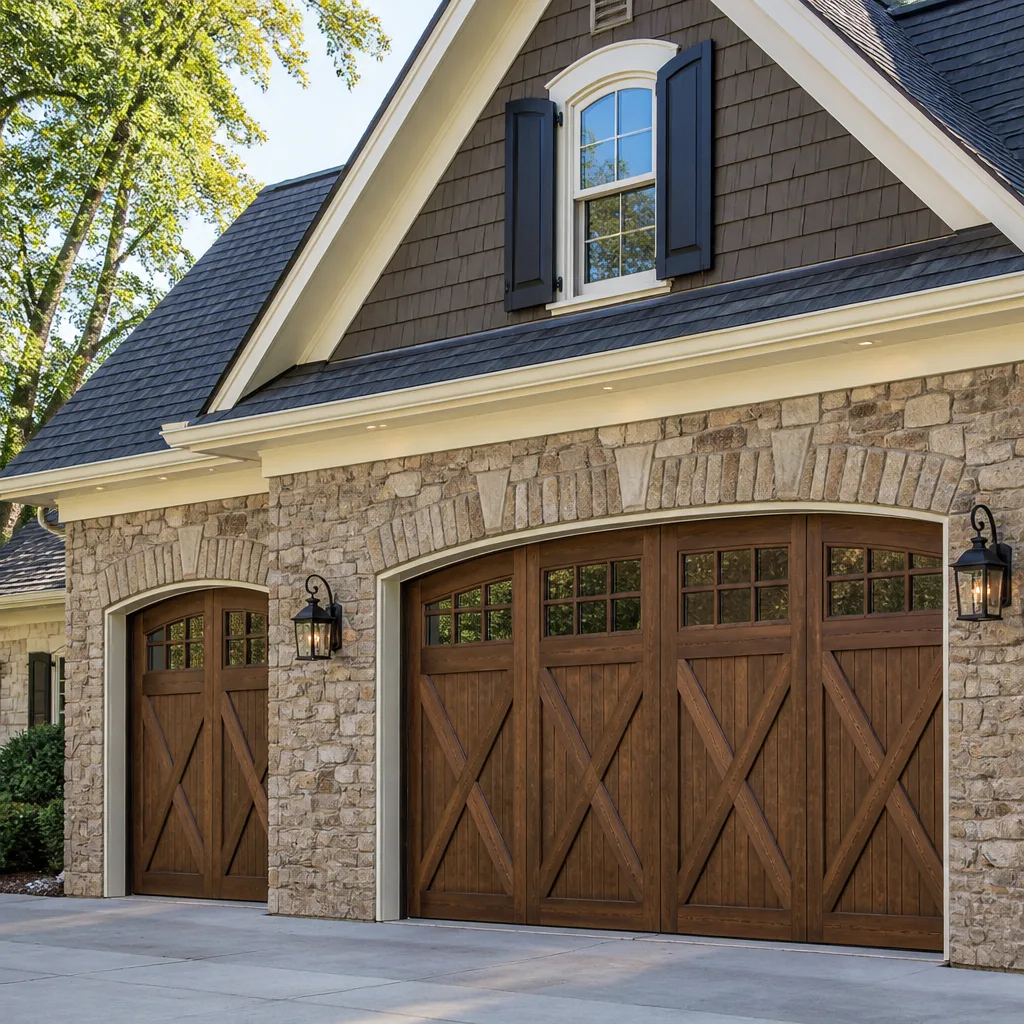 Carriage house
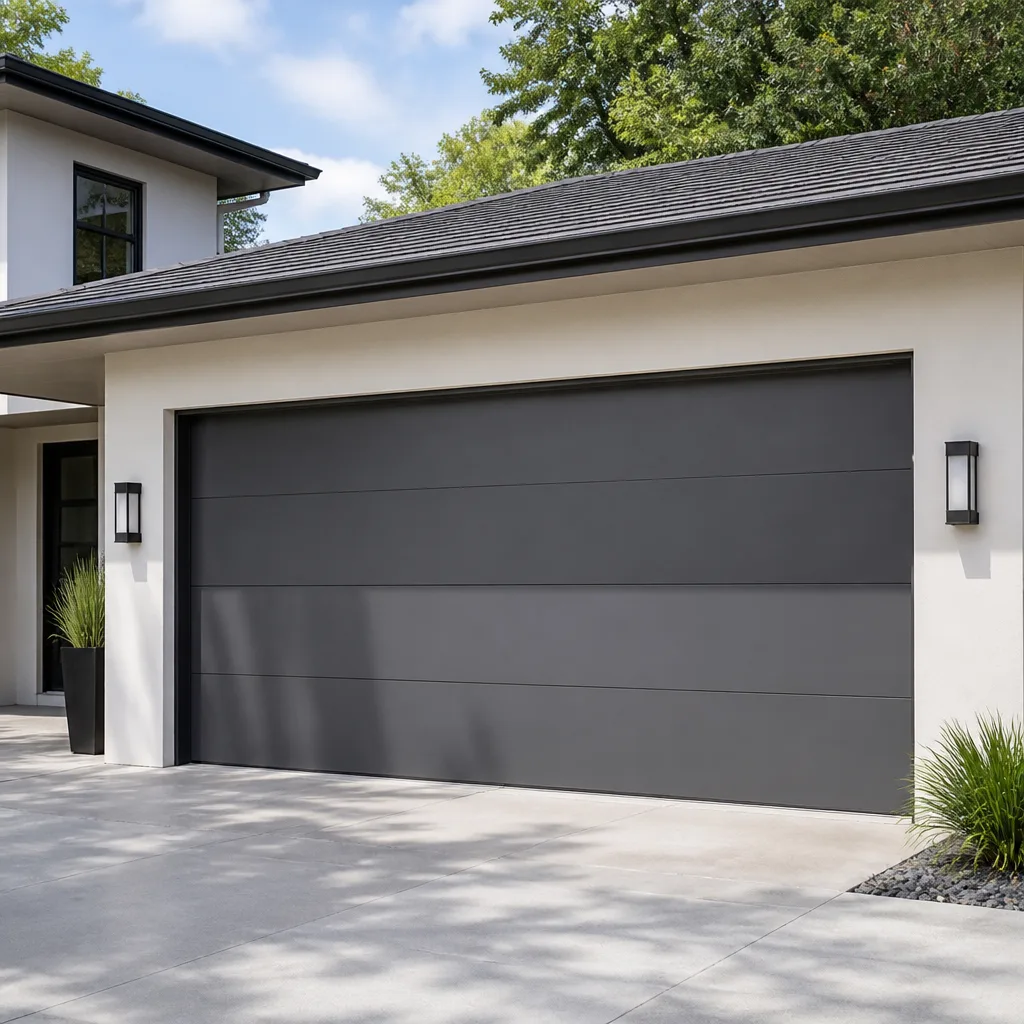 Modern flush
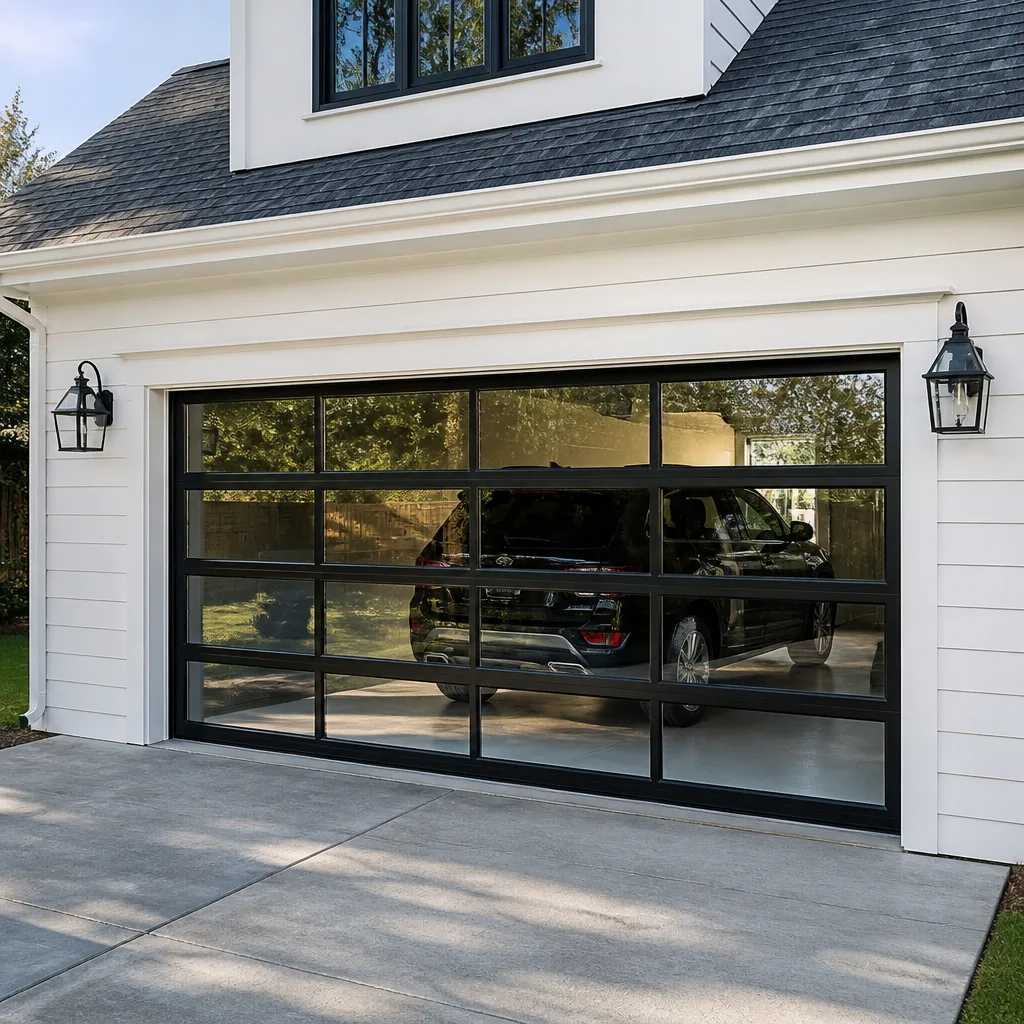 Full-view glass
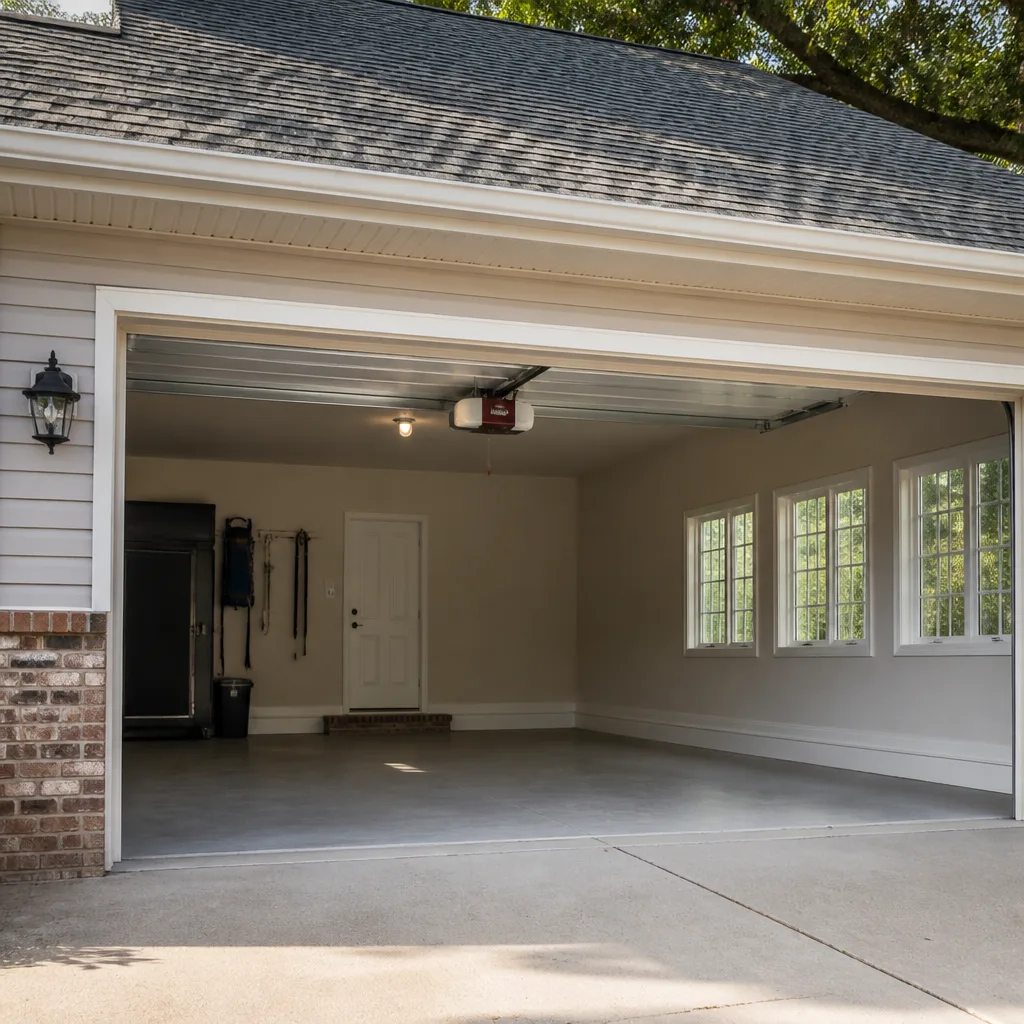 LiftMaster openers
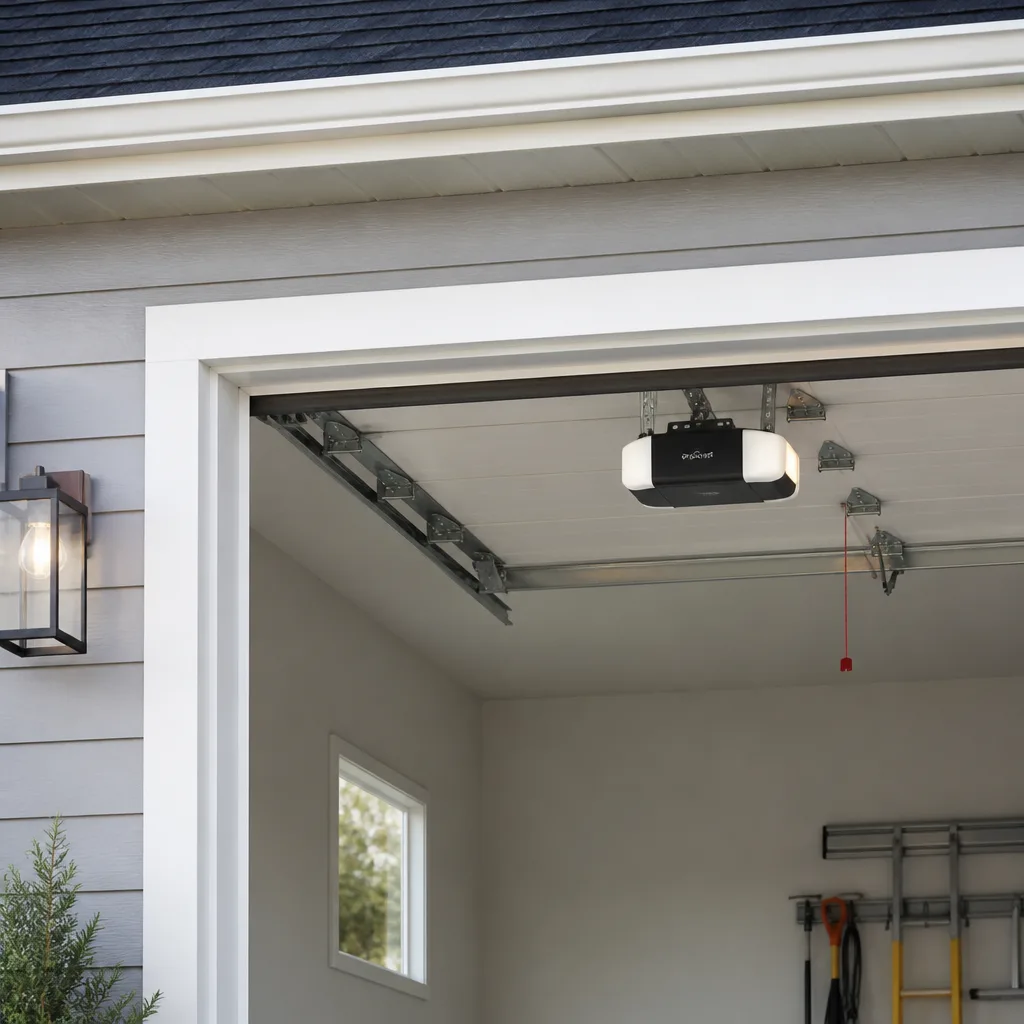 Chamberlain openers
Full 25-point door and opener safety check with every visit - springs, cables, rollers, tracks, and your LiftMaster or Chamberlain opener included
You get a price before we start. It does not change when the pro arrives.
Get your free estimateThe Complete Guide to Garage Doors in Sheepshead Bay
Most garage door advice you’ll find online was written for a suburb with a wide driveway and fifty feet between houses. Sheepshead Bay isn’t that. Here, attached and semi-attached homes sit shoulder to shoulder on tight blocks, many garages open straight onto the street or a shared alley, and damp air moves through the neighborhood in a way that quietly ages steel, paint, and hardware faster than a national guide will ever account for. Steel that lasts a decade inland can show corrosion far sooner near the water, and springs don’t announce their wear until they snap. This guide covers the material choices, space constraints, opener realities, and Brooklyn permitting details that actually shape a garage door decision in Sheepshead Bay, plus a decision map for every common situation.
Quick Answer
The right garage door in Sheepshead Bay depends on three things: how close you are to the water, how much headroom your attached or semi-attached garage gives you, and whether you need repair or full replacement. For most homes here, a properly sealed steel door with corrosion-resistant hardware and a LiftMaster or Genie opener sized to local humidity swings is the practical choice, while wood and low-grade steel struggle in the dampest blocks. Permits and installation follow Brooklyn Community Board 15 rules, so confirm scope with the city before ordering.
Styles & brands we work with
- Raised-panel steel
- Carriage house
- Modern flush
- Full-view glass
- LiftMaster openers
- Chamberlain openers
Table of Contents
- Which Garage Door Materials Hold Up in Sheepshead Bay?
- Space Constraints in Sheepshead Bay’s Attached Homes
- Why Openers Struggle in Sheepshead Bay Humidity
- Permits and Code for Sheepshead Bay Installs
- The Sheepshead Bay Decision Map: Repair vs. Replace
- Spring Repair: Why It’s a Safety Call, Not a DIY Job
- A Maintenance Rhythm for Damp, Dense Blocks
- Common Mistakes to Avoid
Which Garage Door Materials Hold Up in Sheepshead Bay?
If your door faces the bay breeze, the material choice that works in an inland Brooklyn neighborhood is often the wrong one here. Salt air accelerates steel corrosion dramatically compared to inland environments, and most Sheepshead Bay homeowners don’t learn that until a spring fails after a few years instead of many. The damp air also works on paint, hinges, rollers, and the bottom seal, all of which sit closest to the ground where moisture collects. Choosing material with the micro-environment in mind is the single most important up-front decision.
Here’s how the common materials rank for Sheepshead Bay conditions:
- Insulated steel with a factory finish and sealed edges: The most practical choice for most homes here. The insulation resists condensation, and a good finish slows surface corrosion. Upgrade the hinges and rollers to corrosion-resistant versions.
- Aluminum: Naturally rust-resistant and lighter, which eases strain on springs and openers. A strong pick for blocks closest to the water where steel wants to corrode fastest.
- Wood and wood-composite: Beautiful, but the damp air here makes swelling, warping, and repainting a constant chore. It can work, but it demands far more upkeep than in a dry climate.
- Basic uninsulated steel: The cheapest option and the one most likely to show rust first in the dampest blocks. Fine inland; a risk here.
Brand matters less than build quality and finish, but you’ll see Clopay, Amarr, and Wayne Dalton doors across Sheepshead Bay, and our technicians work on all of them. Whatever the door, pay attention to the bottom seal and the hardware; that’s where moisture does its first damage. If your current door is already showing rust at the seams, a professional can tell you whether it’s worth refinishing or time to plan a replacement.
Space Constraints in Sheepshead Bay’s Attached Homes
A lot of the homes here are attached or semi-attached, which changes what door and opener will actually fit. Low ceilings, shallow garages, and shared walls are common, and a standard torsion setup or a bulky opener that would be fine in a detached house can be a poor fit. This is why an on-site measure matters more in Sheepshead Bay than a generic sizing chart suggests. The right configuration depends on the real dimensions of your specific garage, not the average.
Three space realities shape the choice:
- Low headroom. When the ceiling sits close to the door, a standard torsion spring and track won’t clear. Low-headroom kits or a side-mount opener solve it without rebuilding the garage.
- Side-mount openers. Where overhead space is tight, a wall-mounted jackshaft opener replaces the ceiling-hung unit entirely. It also frees up storage and keeps the opener away from damp ceiling areas.
- Narrow and shallow garages. Tight bays may call for a single-car sectional rather than a one-piece tilt door, since the sectional folds up and back rather than swinging out into a shared alley or street.
If you’re weighing a fresh install, the measure comes before the order. A garage door installation done right starts with someone confirming headroom, side clearance, and how the door opens relative to your neighbors. Get that wrong and the door works but fights the building every cycle.
Why Openers Struggle in Sheepshead Bay Humidity
The same opener that runs fine in an inland Brooklyn neighborhood may act up here. Humidity and temperature swings work on the electronics, the travel limits, and the safety sensors. A unit that’s adjusted perfectly in dry weather can start reversing halfway down once the damp season sets in, and the reason is often moisture affecting the sensor alignment or the logic board, not a dead motor. Modern smart openers add Wi-Fi and app connectivity, which introduces its own sensitivity to power fluctuations and network drops.
We handle opener work across the two dominant platforms: LiftMaster and Chamberlain on one side, Genie and Craftsman on the other. That covers the vast majority of openers you’ll find on residential Sheepshead Bay properties, so you won’t hear “we don’t work on that brand.” When an opener misbehaves, the fix usually falls into one of these buckets:
- Sensor misalignment or dirt: The most common cause of a door that won’t close. Often a quick, cheap fix.
- Limit and force settings drifted: Damp air and temperature change can knock these out of adjustment, so the door stops short or reverses.
- Logic board or capacitor failure: Real hardware faults that need diagnosis rather than guesswork.
- Wi-Fi or app connection loss: Common on smart units after power flickers; sometimes a re-pair, sometimes a board issue.
If the opener is the problem rather than the door itself, professional garage door opener repair starts with diagnosis on the same visit, so you’re not making multiple calls for the same symptom. That one-visit approach matters on dense Sheepshead Bay blocks where scheduling a return trip is a hassle.
Permits and Code for Sheepshead Bay Installs
A new garage door or a structural change to the opening usually involves a permit; a like-for-like replacement sometimes doesn’t. The exact requirement depends on the scope of work and current city rules, so the reliable answer is to confirm with the NYC Department of Buildings and your local permitting office before ordering anything. Sheepshead Bay falls within Brooklyn Community Board 15, and knowing that context helps when you’re describing your project to the city or to an installer. Rules change, and what applied to a neighbor’s job last year isn’t a guarantee for yours.
Here’s how to think about permits for the two common scenarios:
- Replacement (same size, same opening). Often simpler and sometimes exempt, but confirm scope with the city. Keep documentation of the door model and any engineering specs with your home records.
- New install or opening change. Widening, raising, or changing the structural opening typically triggers a permit and possibly a drawing requirement. Plan for the timeline before you order the door.
The safest habit: ask the city’s building department directly what your specific job needs, and get the door’s specs from the manufacturer so the paperwork matches. We don’t guess at code for you, but we can tell you what a typical install involves here so your permits conversation is grounded in the actual work. Permits are the homeowner’s responsibility to confirm, but a knowledgeable installer will flag when a job clearly needs one.
The Sheepshead Bay Decision Map: Repair vs. Replace
Every garage door question here comes down to a handful of forks: repair or replace the door, fix or upgrade the opener, stay manual or go smart. Sheepshead Bay conditions tilt several of these decisions in ways a national guide won’t. The map below walks through each fork with local reality built in.
Fork 1: Repair vs. replace the door. If the panels are sound and the problem is springs, cables, rollers, tracks, or the opener, repair almost always wins. If panels are corroded through, cracked, or badly warped from moisture, replacement is the better spend. Damp air here pushes borderline doors toward replacement sooner than you’d expect.
Fork 2: Opener vs. door. A door that won’t open isn’t automatically a door problem. Diagnose the opener and sensors first, since opener faults are common and cheaper to fix. Only move to the door when the opener checks out.
Fork 3: Manual vs. smart. A smart opener is worth it if you want app control and remote monitoring, but it needs stable power and a decent Wi-Fi signal in the garage. On older wiring, a traditional opener with a quality remote may be more reliable.
Here’s the same map as a quick reference:
- Loud bang, door won’t lift, door feels very heavy: broken spring. Stop using it and call for spring repair.
- Door reverses or won’t close: sensor or opener issue. Diagnose the opener.
- Door visibly bent, off-track, or grinding: track and hardware problem. Stop operating it.
- Rust at seams, cracked panels, sagging sections: door past its useful life. Plan replacement.
- Everything works but you want app control: opener upgrade, no door change needed.
When the honest answer is a new door, we assess and quote it in the same visit rather than sending you to a separate contractor. For the broader repair picture, our garage door repair service covers the full chain from a single broken hinge to a full opener overhaul.
Spring Repair: Why It’s a Safety Call, Not a DIY Job
Springs are the most dangerous part of any garage door and the most commonly mishandled DIY repair. A torsion spring holds serious stored tension, and a wrong move can cause severe injury. The right approach is to stop using the door once you suspect a spring problem, keep the area clear, and have a trained technician handle it. This is a safety issue first; the fact that it’s also a convenience fix is secondary.
What a trained spring repair actually involves:
- Identify the spring type. Torsion springs mount on a shaft above the door; extension springs run along the sides. Each needs different tools, including proper winding bars.
- Match the spring to the door. The correct spring is sized to the door’s weight and height, not pulled off a shelf at random. The wrong spring causes premature failure or unsafe operation.
- Replace the pair together. A matched pair wears at the same rate, so both springs go at once. That means the cost reflects two springs, not one.
- Re-balance and test. The door is checked for balance, travel, and safe operation before the technician leaves.
In Sheepshead Bay’s damp air, springs and the metal around them corrode a bit faster than inland, which is one reason they can surprise you. Our technicians have up to 13 years of experience with both torsion and extension spring work and carry the right spring inventory so the fix happens on the same visit. If a spring has snapped and the door is stuck, that’s where emergency service comes in; a stuck-open door leaves the home open, and a heavy door shouldn’t be forced.
A Maintenance Rhythm for Damp, Dense Blocks
Ten minutes of attention a few times a year goes a long way here. Sheepshead Bay’s humidity, salt air, and tight blocks mean hardware needs more frequent checking than in a dry suburb. You don’t need special tools for most of it, just a look and a listen.
What to check, and how often:
- Monthly: Test the safety reverse. Put a small object in the door’s path and confirm it reverses. Check the sensors are clean and aligned.
- Seasonally: Look at hinges, rollers, and the bottom seal for rust or wear. Wipe off visible moisture and grime; a light lubrication on moving metal parts (not the tracks) keeps things moving.
- Annually: Have the springs, cables, and overall balance checked by a technician. This is the inspection that catches a tired spring before it snaps.
Watch for the early warnings: a door that feels heavier, opens unevenly, grinds, or reverses on its own. In damp Sheepshead Bay blocks, rust at the bottom panel seams is the tell that moisture is winning. Catching it early is a repair; ignoring it is a replacement. When in doubt, a professional assessment in Sheepshead Bay is free, and it’s cheaper than an emergency call after a failure.
Common Mistakes to Avoid
- Choosing a door material meant for dry climates. Basic uninsulated steel and untreated wood both struggle with Sheepshead Bay’s damp air. Pick a finish and hardware that resist moisture.
- DIY spring replacement. Springs are under serious tension and the most common cause of garage door injuries. Leave them to a trained technician with the right tools.
- Replacing one spring of a pair. Matched springs wear together. Replacing one leaves the old one to fail soon after, so replace the pair.
- Blaming the door for an opener fault. A door that won’t close is often a misaligned sensor or a drifted limit setting, not a door problem. Diagnose the opener first.
- Ordering a door before measuring for low headroom. Sheepshead Bay’s attached homes often have tight ceilings. Measure for low-headroom or side-mount solutions before you buy.
- Skipping the permit question. What applied to a neighbor’s job doesn’t guarantee your scope is exempt. Confirm with the city’s building department.
- Ignoring rust at the bottom seams. In damp blocks, that’s the first sign of moisture damage. Refinishing early beats replacing later.
When to Call a Professional
Call a professional when a spring snaps, a door comes off its track, the opener stops responding, or a door won’t close and leaves the home open. Those are safety and security issues, and they’re exactly the situations emergency garage door service is built for. Also call when you’re weighing a new door and want an honest repair-vs-replace answer, or when you’re unsure what material or opener suits your specific Sheepshead Bay block. For a door that’s stuck open, don’t wait for a future appointment slot; get it addressed. Garage Door Repair Sheepshead Bay offers free estimates in Sheepshead Bay – call (833) 954-3381. Our technicians have up to 13 years of experience across the brands you’re likely to own, and we quote the price before any work starts so there are no surprises.
See the difference
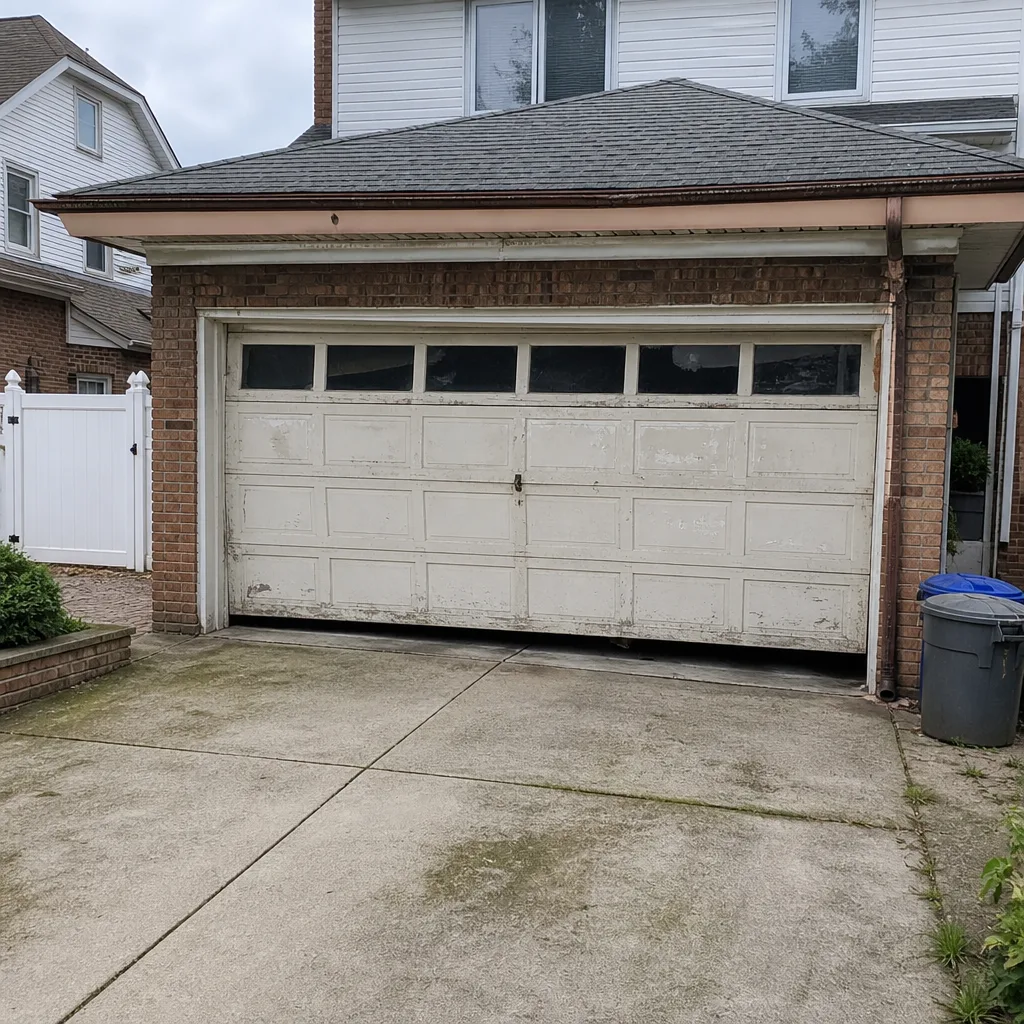 Before
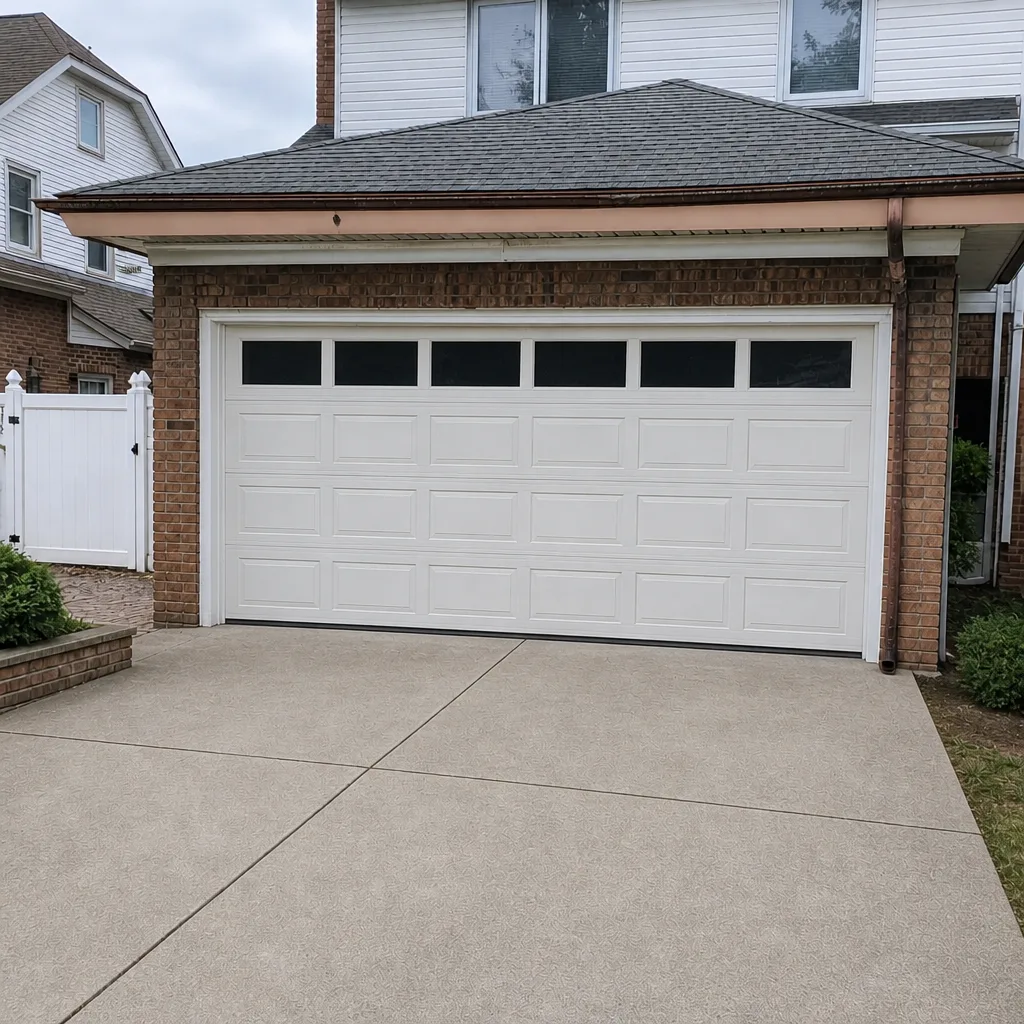 After
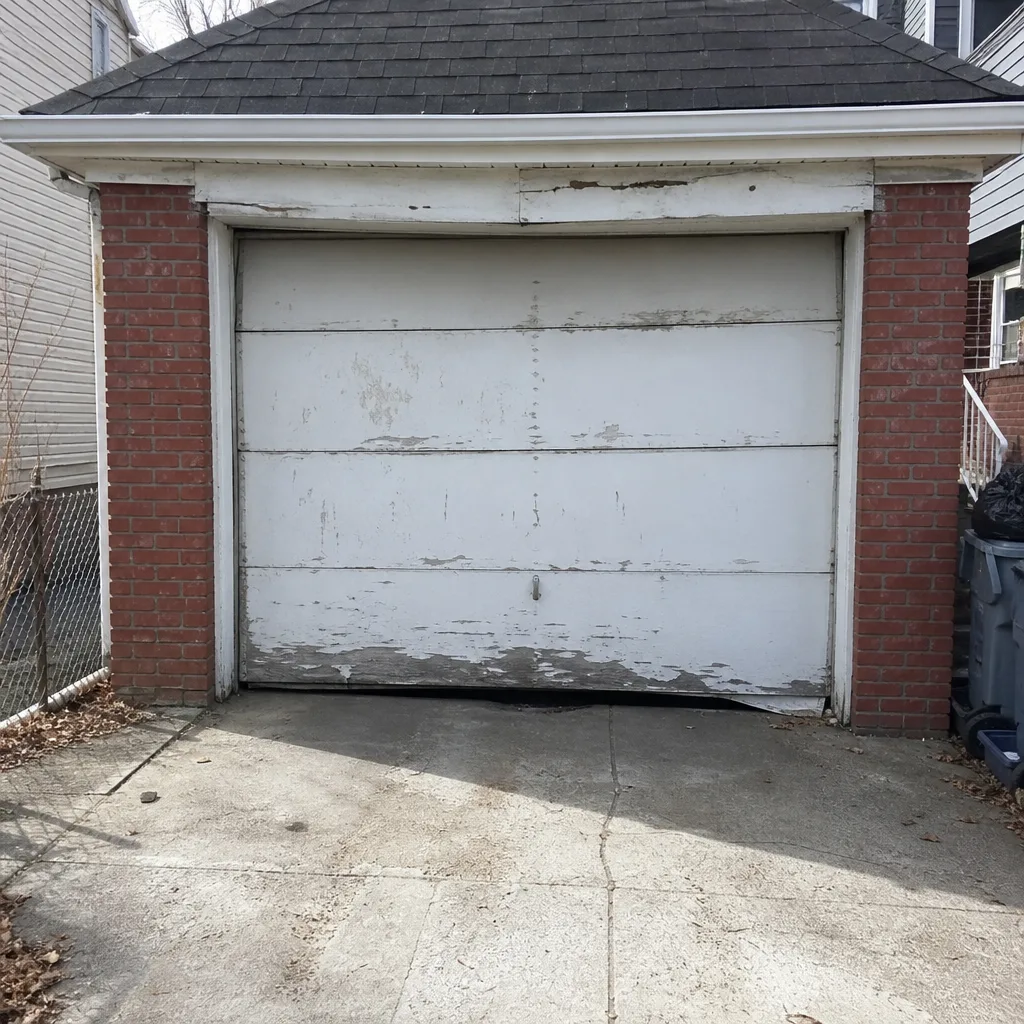 Before
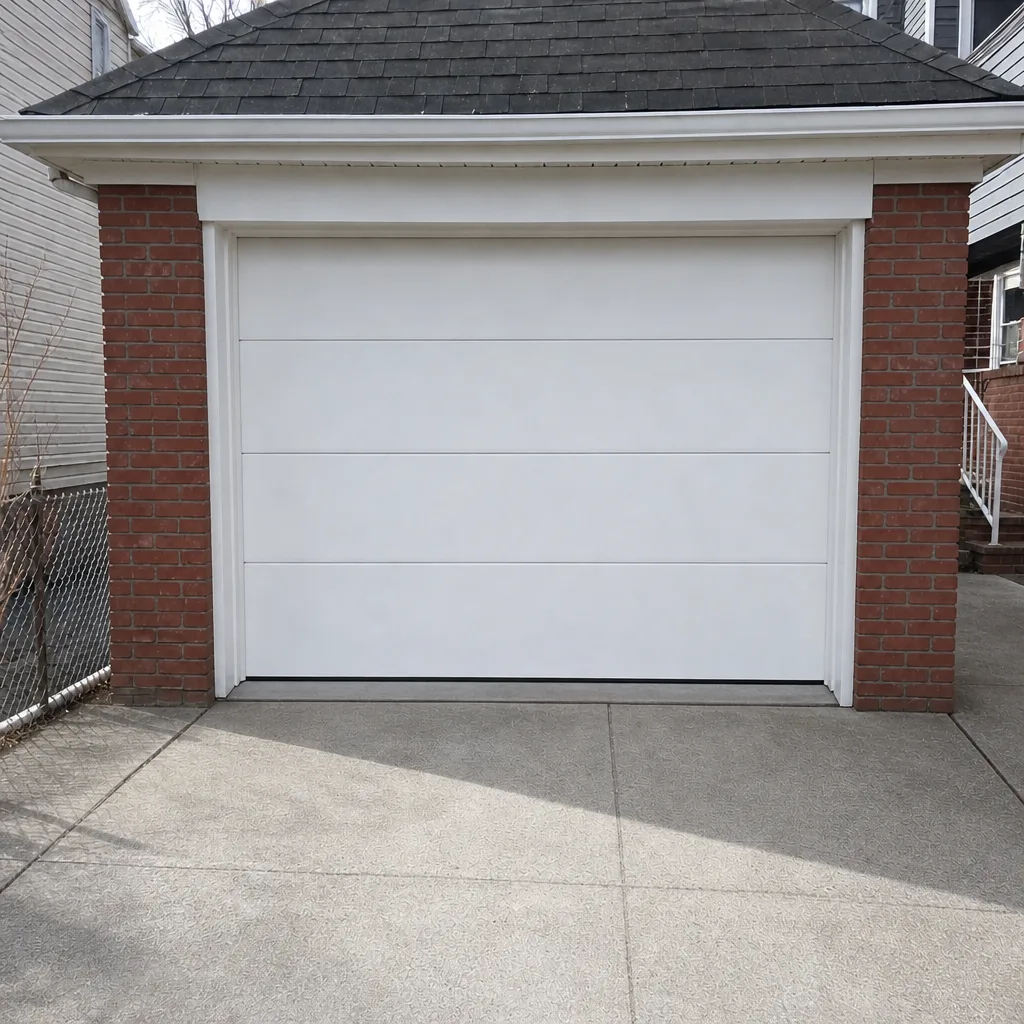 After
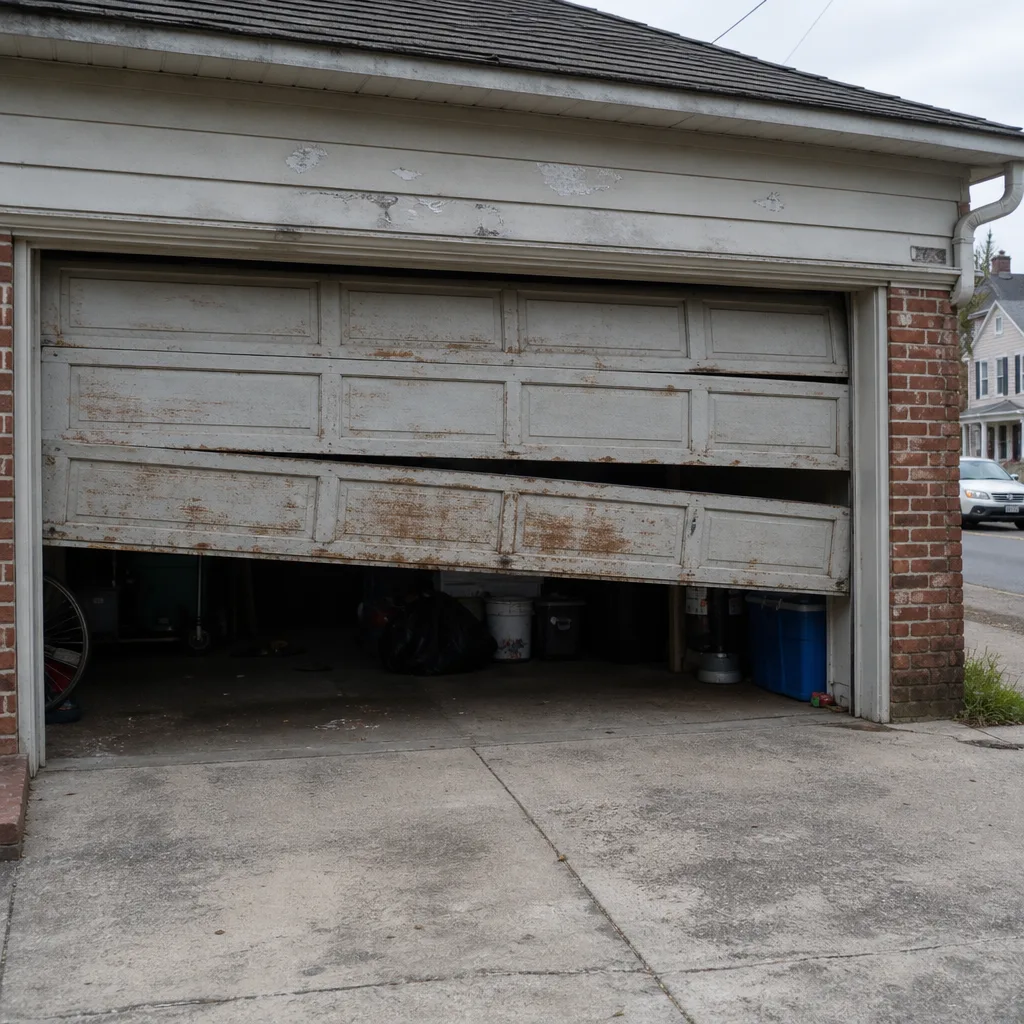 Before
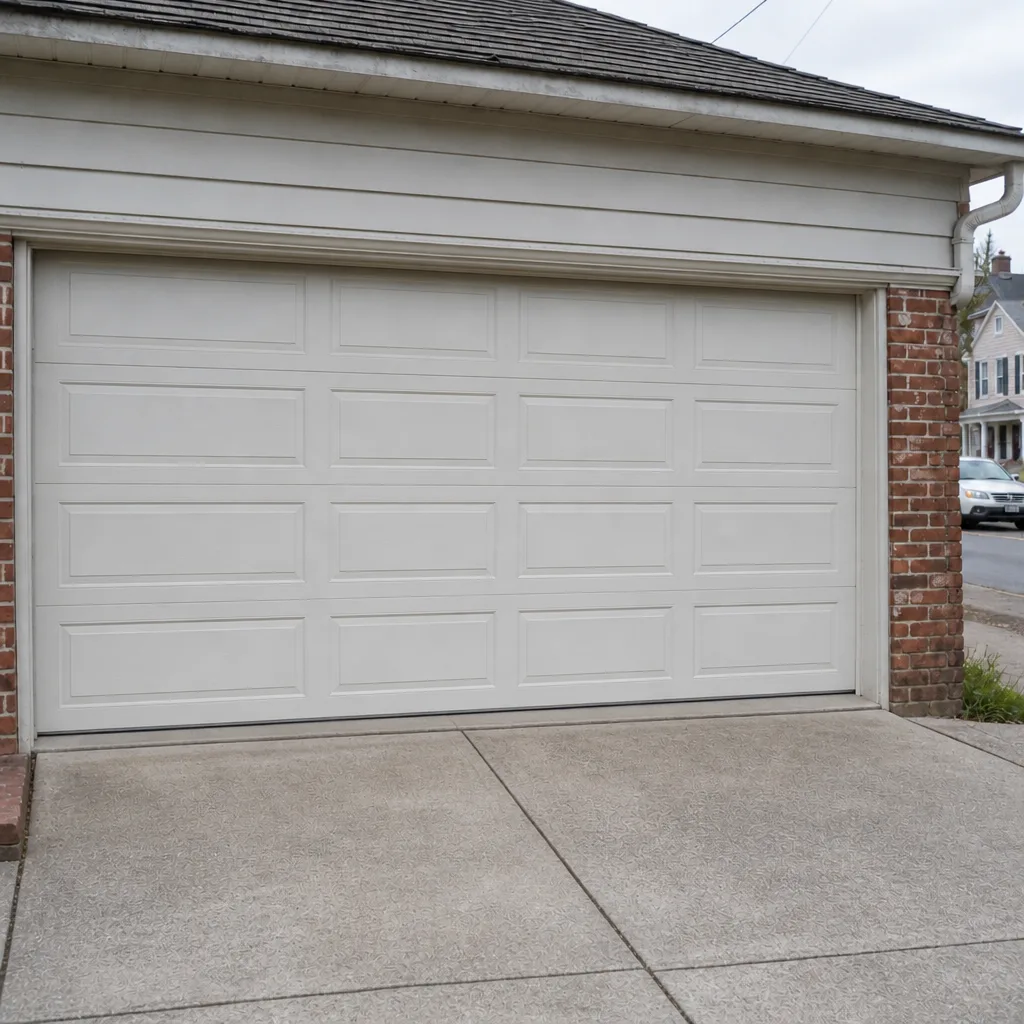 After
Frequently Asked Questions
Typical spring repair in Sheepshead Bay runs in a range you’ll get confirmed with a written estimate before work begins, and a matched pair costs about twice a single spring because both go at once. The final price depends on the spring type, door weight, and access. Call (833) 954-3381 for an exact quote – estimates are free.
Yes, in most cases. A door stuck open is a security and safety issue, and emergency garage door service is designed for exactly this. Call (833) 954-3381 and we’ll get a technician scheduled to make it safe.
Insulated steel with a factory finish and corrosion-resistant hardware, or aluminum, hold up best in Sheepshead Bay’s damp blocks. Salt air and humidity age basic steel and wood faster than inland, so material choice matters more here.
It depends on scope. A like-for-like replacement is sometimes exempt, while a new install or a structural change to the opening usually needs a permit. Confirm with the NYC Department of Buildings and your local office before ordering; rules can change.
No. We quote and agree on the price before any work starts, and the written estimate is the price. If something unexpected turns up, you’ll hear about it before we do the work, never after.
The local professionals we connect you with are licensed and insured as their state requires. We confirm the details up front so you know who’s coming and what’s covered. Call (833) 954-3381 to get started with a free estimate.
The Bottom Line
Garage doors in Sheepshead Bay live in a tougher environment than most national guides account for. Damp air and salt exposure age steel, paint, and springs faster; attached and semi-attached homes demand low-headroom or side-mount solutions; and Brooklyn Community Board 15 permitting means confirming your scope with the city before you order. Choose materials that resist moisture, size your opener to the local humidity swings, replace spring pairs together, and have the balance checked yearly. When something fails, repair beats replace until the panels themselves give way. If you want the right call for your specific block, Garage Door Repair Sheepshead Bay can help. We work on your brand, quote before we start, and offer free estimates. For the full range of services, start with garage door repair, garage door opener repair, or a garage door installation quote. Call (833) 954-3381 today.
Contact
Call (833) 954-3381 for a free estimate. Whether your door needs a spring repair, an opener fix, emergency service, or a full new installation, we’ll quote the price before any work starts and get your Sheepshead Bay door working the way it should.
Written by the team at Garage Door Repair Sheepshead Bay.