Last updated November 21, 2026
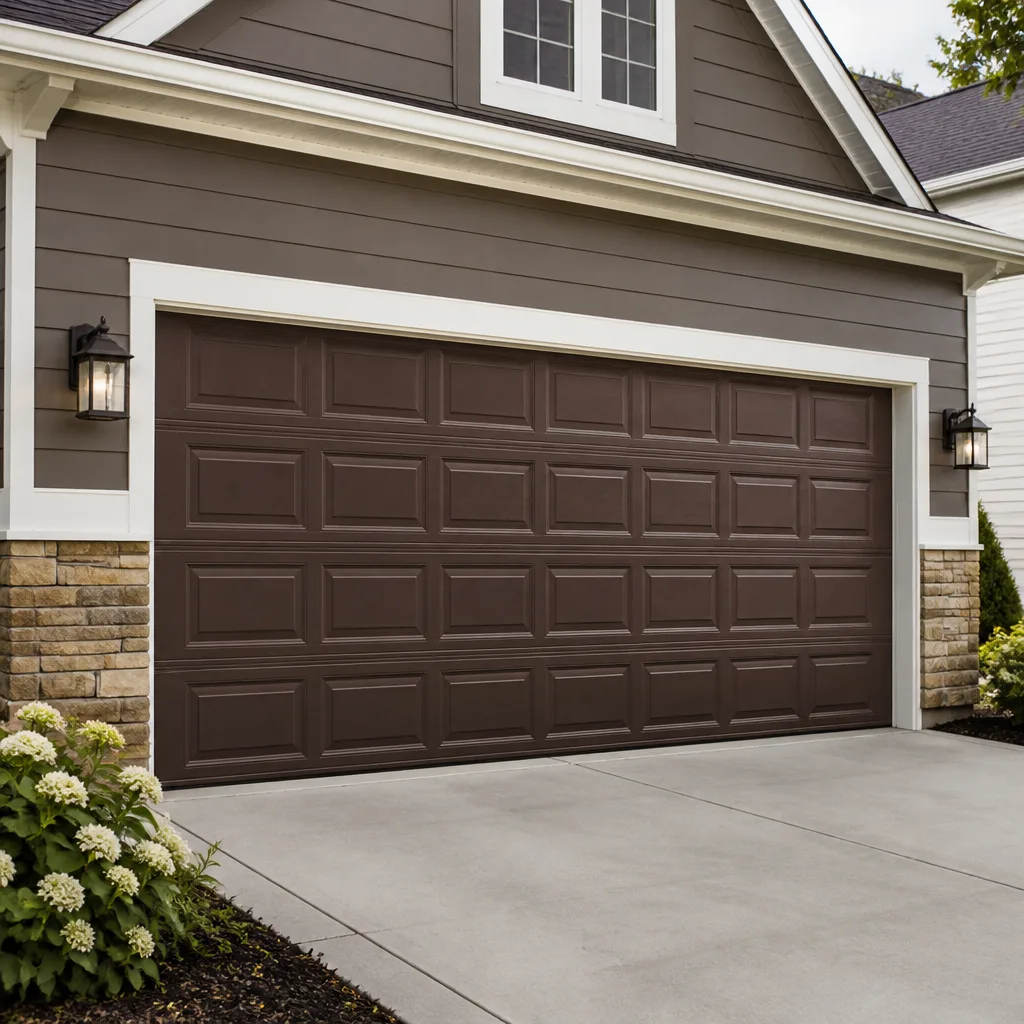 Raised-panel steel
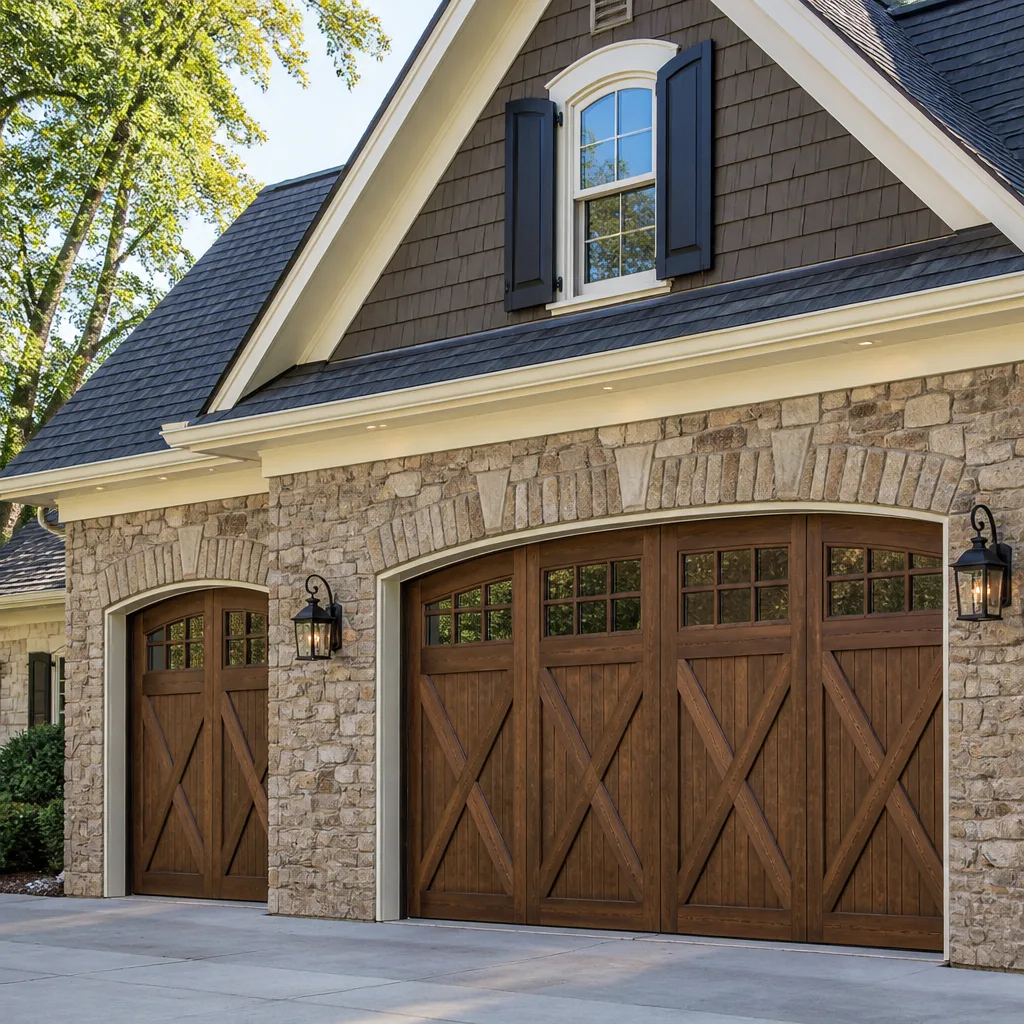 Carriage house
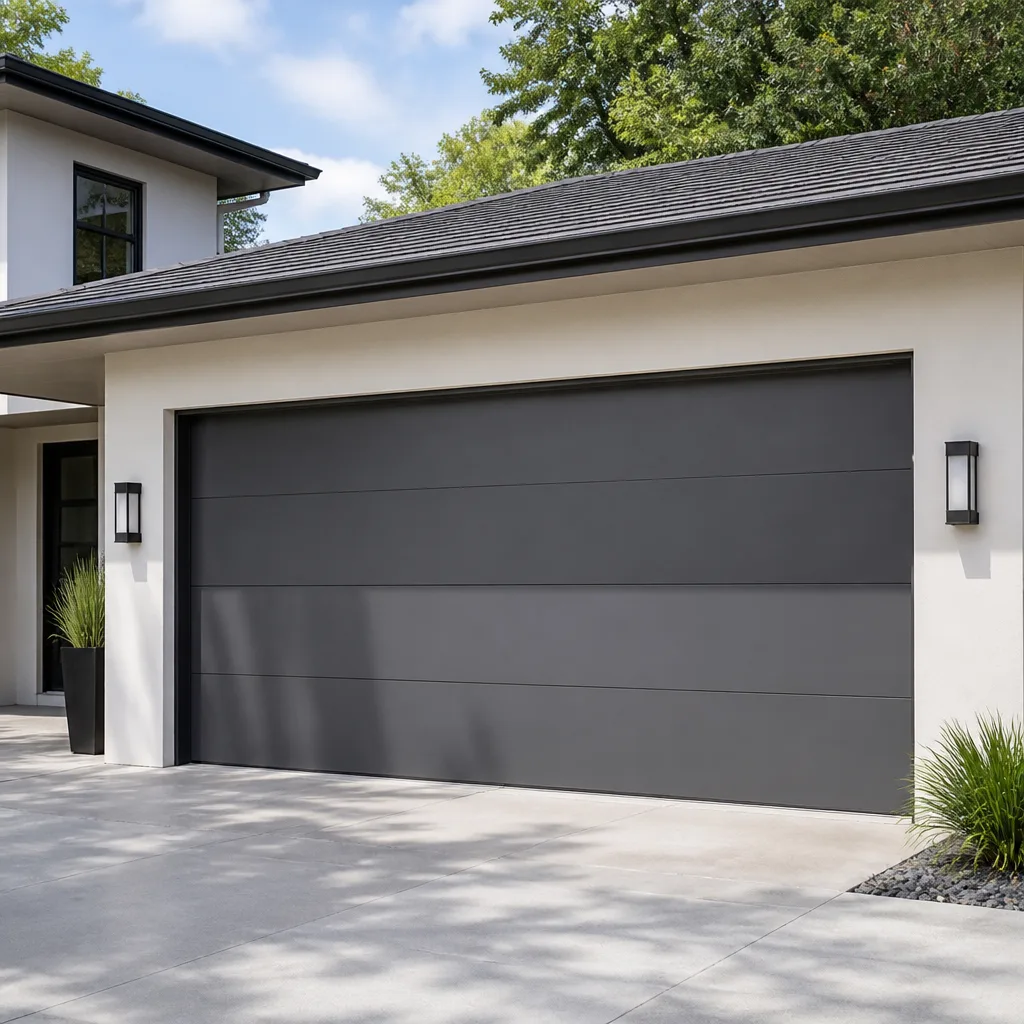 Modern flush
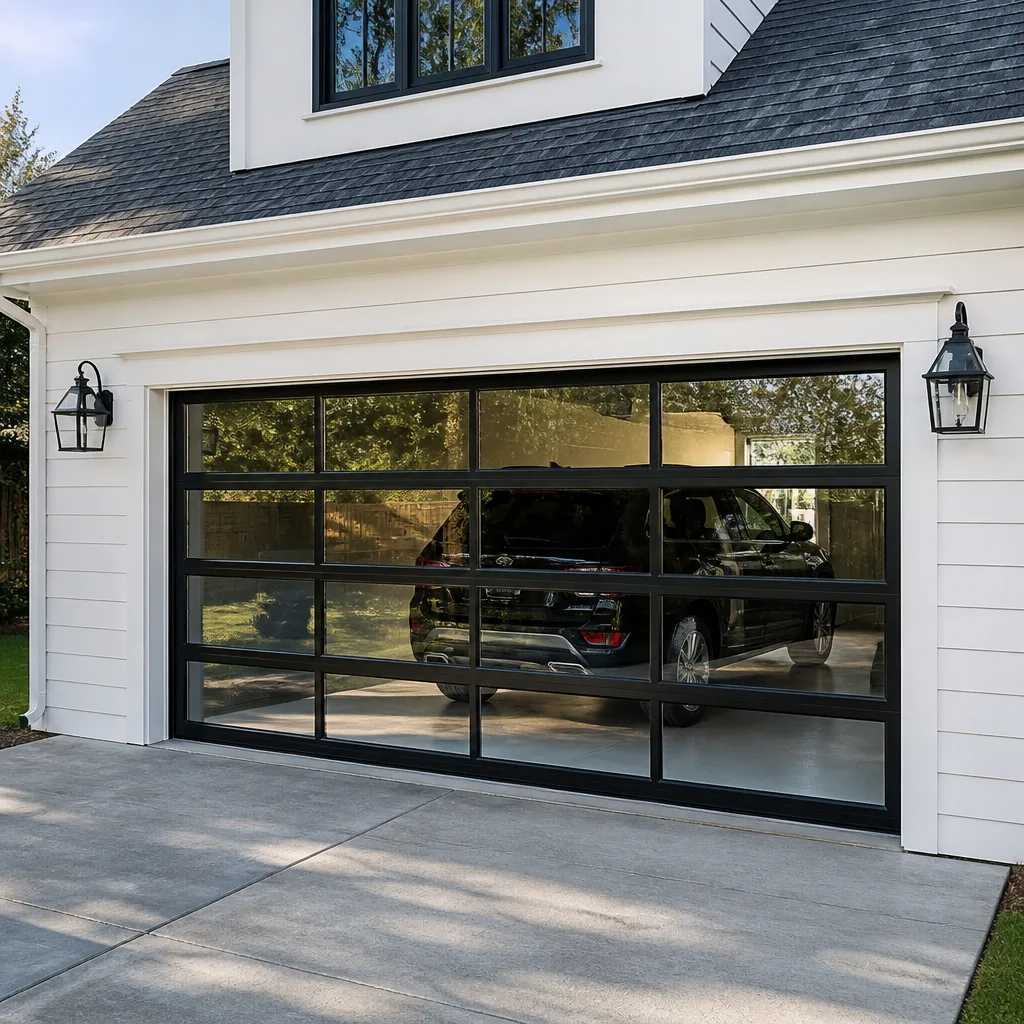 Full-view glass
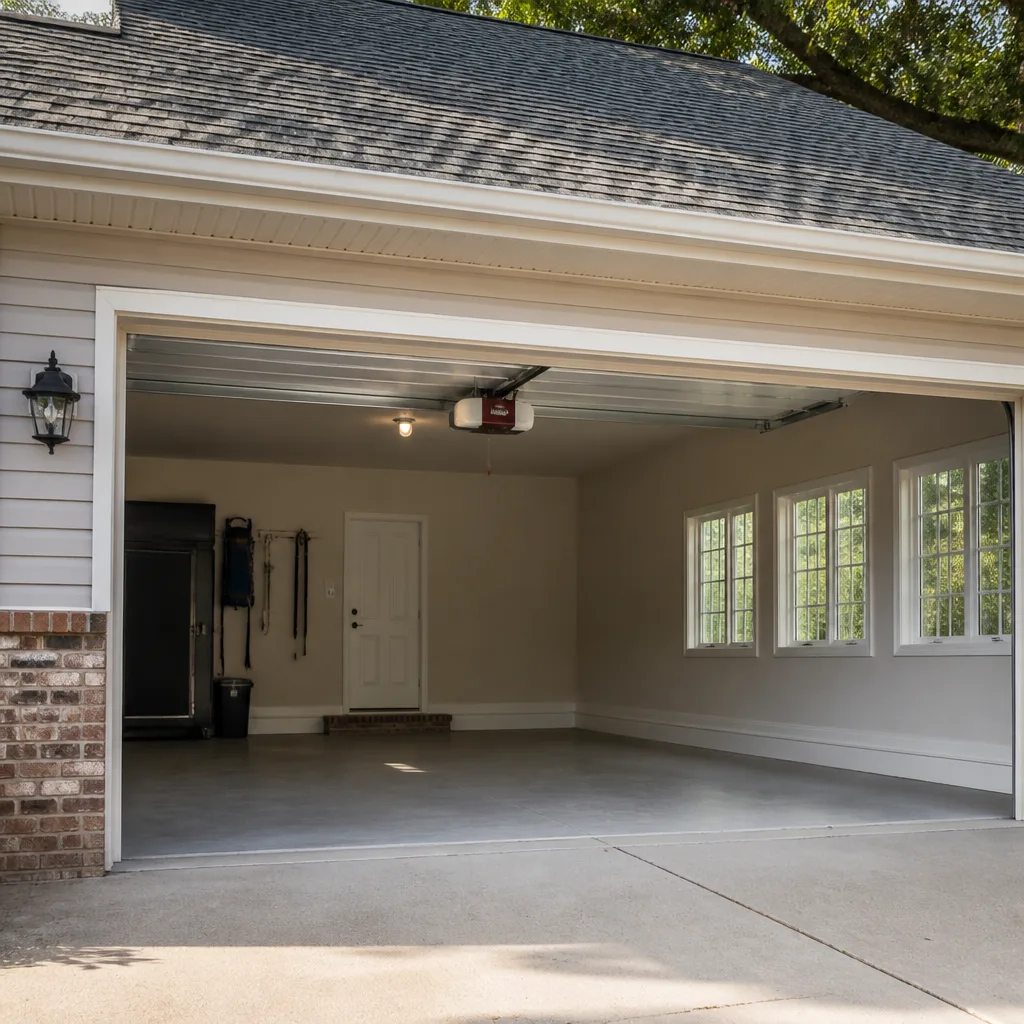 LiftMaster openers
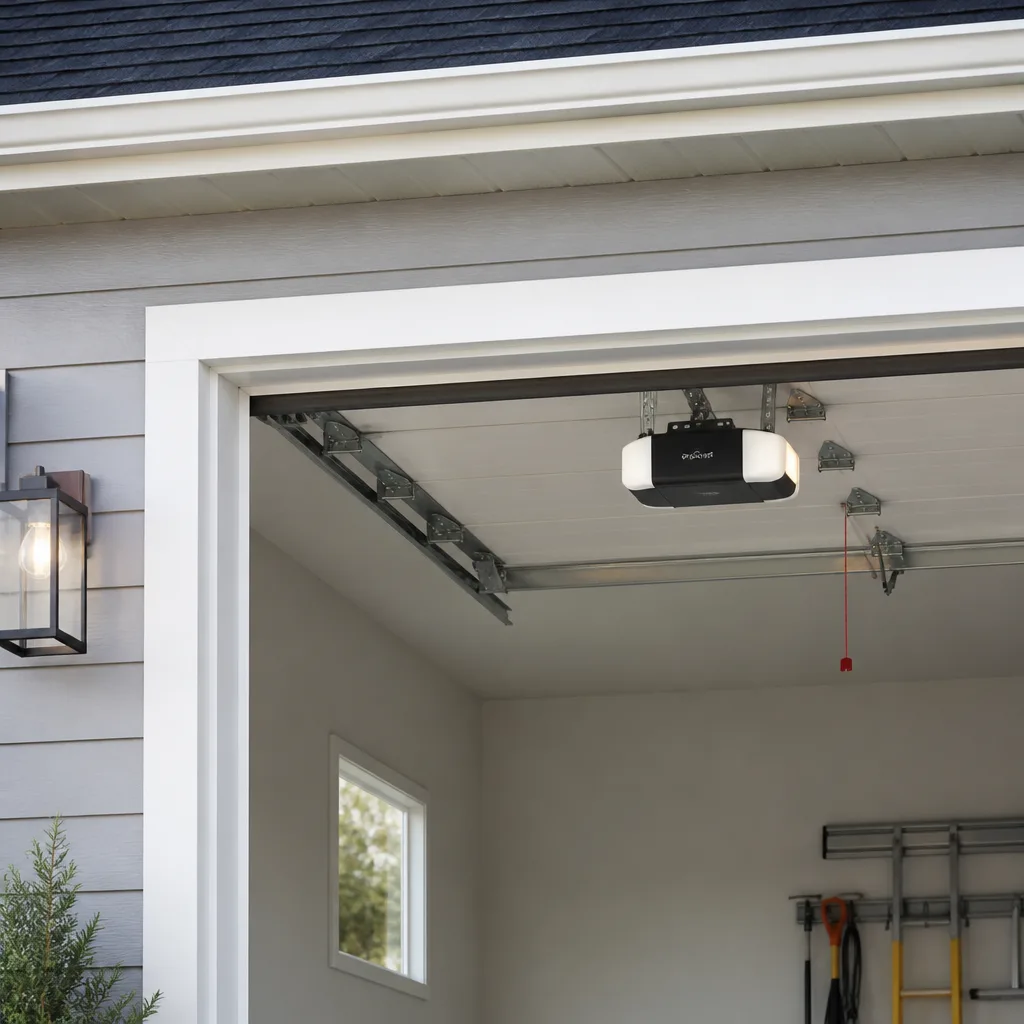 Chamberlain openers
Full 25-point door and opener safety check with every visit - springs, cables, rollers, tracks, and your LiftMaster or Chamberlain opener included
You get a price before we start. It does not change when the pro arrives.
Get your free estimateDIY vs Professional Garage Door: The Sheepshead Bay Homeowner’s Decision Guide
Most people frame this as a money question: is it cheaper to fix the garage door myself or pay someone? That’s the wrong first question. The right one is whether the task in front of you involves stored mechanical energy that can hurt you or a repair low enough on the door that it can’t. A torsion spring under tension holds a serious amount of force, and that’s not a scare tactic, it’s the reason “I’ll watch a video” is a completely different risk calculation for a spring than it is for peeling off a weatherstrip strip. This guide draws that line clearly: what’s genuinely safe for a homeowner with basic tools, what’s risky but reachable with real research, and what should never be a DIY job. We’ll walk through tools, NYC liability and insurance questions, and the hidden costs of going it alone in Sheepshead Bay.
Quick Answer
You can safely handle the low-energy jobs yourself: weatherstripping, bottom seals, lubrication, tightening loose hardware, and visual inspections. Anything that involves springs, cables, high-lift torsion assemblies, or a door that has come off its track belongs to a trained technician. Everything in between (rollers, a single hinge, an opener that just needs re-pairing) is doable with research and the right tools. The dividing line is stored energy, not difficulty.
Styles & brands we work with
- Raised-panel steel
- Carriage house
- Modern flush
- Full-view glass
- LiftMaster openers
- Chamberlain openers
Table of Contents
- The Energy Line: Why Garage Doors Are Different
- Category 1: Genuinely Safe DIY Tasks
- Category 2: Risky But Possible With Real Research
- Category 3: Professional Only, No Exceptions
- The Tools That Separate Safe From Sorry
- NYC Liability, Insurance, and DIY Garage Door Work
- The Hidden Time Cost of DIY in Sheepshead Bay
- The Break-Even Calculation
- Common Mistakes to Avoid
- When to Call a Professional
- Frequently Asked Questions
The Energy Line: Why Garage Doors Are Different
Your garage door is the largest moving object attached to your house. A standard single-car door weighs somewhere in the range of 150 to 200 pounds, and a double door can run considerably heavier. That weight is suspended on steel cables, balanced by springs, and guided by tracks. When everything is in balance, the door feels light because the springs are doing the lifting. When a spring fails, all that weight is suddenly unbalanced, and the door can come down hard or the cable can snap under load. That’s the physics that separates garage door work from most household repairs, and it has nothing to do with how handy you are or how many tools you own.
The energy line is simple to remember: if a job requires you to release or adjust a spring or a cable, stop. If a job is at the bottom of the door, involves a seal, or is purely about reducing friction, it’s almost certainly safe. Everything in the middle deserves a pause and a decision. In Sheepshead Bay, where a lot of the housing stock dates back decades and doors have been replaced or retrofitted over the years, we’ve seen a mixed bag: original extension springs on older single-car doors, more modern torsion setups on replacements, and openers of every vintage. That mix matters because the task list changes based on what’s actually on your door. A door with extension springs (the long stretch springs running along the horizontal track) and a door with a torsion spring (the coiled spring mounted above the door on a shaft) have different failure modes and different safe-to-touch zones. Look at your door before you decide anything. This is exactly the kind of thing we cover in our Garage Door Repair Sheepshead Bay guide, but for this piece the point is: know what you’ve got before you plan a fix.
Category 1: Genuinely Safe DIY Tasks
These are the jobs where the worst realistic outcome is a scratched finger or a door that needs a second attempt. They involve no stored spring energy and no overhead weight risk. If your door is otherwise functioning and you just want to improve it, this is your list.
- Replacing the bottom weather seal. The rubber strip at the base of the door slides out of a retainer or pulls off. New stock is available at any hardware store, usually in standard widths. You pull the old one, feed the new one in, and you’re done. This is one of the highest-value DIY jobs on a garage door for sealing drafts and keeping out water.
- Replacing the side and top weatherstripping. The jamb seals around the frame are usually nailed or stapled on. Pry the old ones off, cut the new ones to length, and fasten them. No door movement required.
- Lubricating rollers, hinges, tracks, and the opener rail. Use a garage-door-specific lubricant, not cooking spray. A few minutes with a rag and a can of the right lube quiets most noisy doors and reduces wear.
- Tightening visible bolts and hinge screws. Vibration loosens hardware over time. A socket set and a few minutes will button it back up.
- Visual inspection of cables, springs, and rollers. You’re not touching anything, just looking. Frayed cables, visible spring gaps, cracked rollers, or bent tracks are all things a homeowner can spot and report.
- Cleaning and rebalancing light debris off the tracks. A soft brush or a shop vac gets grit out of the track channels. Keep fingers clear of the pinch points.
- Re-pairing a smart opener remote or replacing a remote battery. This is programming, not repair. It’s covered in most opener manuals and is genuinely doable.
None of these require getting on a ladder above the door. That’s the tell. If the task puts your hands above the door’s midline or requires the door to be held open while you work, it moves up a category.
Category 2: Risky But Possible With Real Research
This middle category is where most homeowners get into trouble, and it’s also where most well-informed homeowners succeed. The jobs here are physically reachable, don’t release stored spring energy, but do involve weight, alignment, or adjustment that goes wrong quietly. You can do them. You should only attempt them if you’ve read enough to know the failure modes and you have a helper.
- Replacing rollers. Rollers ride in the track and support the door’s weight at the hinge points. The door must be fully open and securely clamped to the track with locking pliers before you swap a roller, and even then you’re working near tension. Doable, but not a job to start on a ladder at dusk.
- Replacing a single hinge. Similar principle to rollers. On the lower hinges, less weight is involved. On the higher hinges, the door needs support. One hinge at a time and the door clamped.
- Adjusting opener travel limits or force settings. If your door stops short or reverses before it should, the travel limits may be off. Most modern openers have adjustment dials or a menu for this. Read your opener manual carefully. Setting the force too high is the mistake that cracks panels or burns out gears because the opener is pushing against a bind instead of stopping.
- Replacing opener safety sensors. The two little eyes near the floor that reverse the door if something crosses them. Mounting new ones and wiring them in is reachable work if you follow the opener manual.
- Replacing the opener belt or chain. Not for the casual tinkerer, but a homeowner with a genuine workshop background and the manual can manage it. If anything about the process doesn’t make sense, stop and call.
- Straightening a mildly bent track. We’d rather you didn’t. A track that’s bent enough to notice is bent enough that a pro should look at it. But a homeowner with a rubber mallet and a level can sometimes nudge a small ding out of the vertical track. If the door doesn’t roll smoothly after, put the mallet down.
The pattern in this category is that every job requires the door to be positioned correctly and secured before you start. And every failure mode is slow enough that you’ll notice it, which is what makes it survivable. That’s exactly what’s missing from the next category.
Category 3: Professional Only, No Exceptions
There is no version of these jobs we’d recommend a homeowner attempt. Not because we doubt your competence, but because the failure window is measured in a fraction of a second and there’s no second chance to correct course. This is where the training and the tooling matter, and it’s why we frame spring repair as a safety job rather than a convenience repair.
- Torsion spring replacement or adjustment. The coiled spring above the door. Under load, it holds the full balancing force of the door. One wrong move on a winding bar and the spring can release instantly. This is the single most dangerous garage door repair there is, and it’s the one most often attempted on video tutorials.
- Extension spring replacement. The stretch springs along the horizontal track. The stored energy is different but no less real. Extension springs have been known to fail violently, which is why safety cables are now required on installation.
- Cable replacement. Cables are under the same tension as the springs and are the part that snaps when a spring lets go. Working on a live cable is the same order of risk as working on the spring.
- Resetting a door that has come off its track. A door popped out of its track is a door under unbalanced load. Prying it back in without controlling that weight can put a 200-pound panel on the floor with your hands involved.
- Replacing a bottom section panel on a door with cables under tension. Even the bottom panel can be load-bearing depending on where the cables anchor. This one surprises people.
- Replacing the torsion tube, drums, or end bearing plates. Structural and high-tension components. Pro only.
Springs under tension require a trained technician, not a tutorial. That’s not a marketing line, it’s the reason a spring repair on any garage door repair call goes to a technician with the right tools and load-rated bars. Our technicians have up to 13 years of experience, and even they don’t improvise spring work.
The Tools That Separate Safe From Sorry
Before you start any repair, walk through your toolbox. The absence of one specific tool is often a clear signal to stop before you’ve begun. This isn’t about gatekeeping; it’s that the wrong tool on a garage door is often worse than no tool at all.
The first group is the everyday basics you need for the safe DIY tasks:
- Adjustable wrench or a basic socket set for tightening hardware
- Screwdriver set (Phillips and flathead) for panel and retainer screws
- Utility knife for trimming weatherstrip and seal stock
- Garage-door-specific lubricant with a spray applicator
- A sturdy stepladder (rated for your weight, feet on solid ground)
- Work gloves with a snug fit
The second group is the tools required for the middle category. If you don’t own these, hire out for anything above Category 1:
- Locking C-clamp pliers (for securing the door to the track before swapping a roller)
- A level (for checking any track you’re thinking about adjusting)
- A drill/driver with the right bits for opener sensor mounting
- Your opener’s exact manual (LiftMaster, Chamberlain, Genie, and Craftsman openers all have different programming menus)
The third group is where the tool list turns into a stop sign. If you don’t have the specific load-rated winding bars for a torsion spring, the door’s tension isn’t something you should be touching. Winding bars are purpose-built for the specific inside diameter of the torsion tube. Substituting screwdrivers or punches has a well-known failure mode: the spring releases, the tool goes flying, and fingers stay where they were. That’s the moment to put the toolbox down and call for a professional.
NYC Liability, Insurance, and DIY Garage Door Work
Here’s where the DIY-vs-pro decision shifts from physics to paperwork. In New York City, garage door work is a regulated trade under the Department of Buildings rules, and self-performed work on the structural or high-tension components of a garage door can trigger permit requirements depending on scope and the property’s zoning classification. This is a real question we recommend you ask the DOB before starting anything more involved than a seal or a lube. A one-family Sheepshead Bay home and a three-family property can be treated differently, and the permit side of garage doors has been tightened over the years in ways that surprise homeowners.
Homeowner’s insurance is the other shoe. Most policies have a self-performed work exclusion: if the damage (to your home or to someone else, including a passerby in the driveway) is caused by work you did yourself, the claim can be denied or subrogated. In practice, that means a DIY spring job that goes wrong and damages a panel, or worse, injures a family member, may fall outside your coverage entirely. Garage doors on Sheepshead Bay homes open toward the sidewalk, which adds a public liability exposure that a contractor’s insurance carries but yours may not. Ask your own insurer how they treat self-performed garage door work. We can’t answer for them, and we won’t pretend to. But it’s a question worth asking before you pull a wrench out of the drawer.
If you’re weighing this against the cost of hiring a licensed, insured professional, our garage door installation and repair pages cover what to look for when vetting a contractor. The short version: ask for proof of insurance in writing.
The Hidden Time Cost of DIY in Sheepshead Bay
DIY costs more than the price on the receipt. In Sheepshead Bay specifically, a few factors add up that homeowners don’t expect:
- Parts sourcing without a trade account. Spring stock, torsion drums, and load-rated cables are not sitting on the shelf at the nearest big-box store. Ordering online means waiting for a shipment, and the wrong part means a second order. A pro with the right spring inventory in hand skips the wait entirely. If you’ve had to order something twice, the savings from DIY shrink fast.
- Parking for a truck or delivery. If you’re pulling a door panel home in your own vehicle from a supplier, the logistics on the narrower Sheepshead Bay streets add an hour each way. If you’re having the part delivered, the delivery window is the schedule. Both are costs.
- Narrow garage access. Many Sheepshead Bay garages are single-wide and accessed via a shared alley or tight driveway. That doesn’t stop the work, but it slows it down. A pro used to tight access moves quickly. A first-timer doesn’t.
- The learning curve tax. Every unfamiliar job costs time on the first attempt: reading the manual, watching the video twice, guessing wrong, driving to the hardware store for the part you didn’t know you needed. That’s a real expense, priced in whatever your time is worth.
- The rescue call. If your DIY attempt fails and you end up calling a pro anyway, you’ve paid for the parts, the time, and the repair. That’s the number that eats the DIY savings and then some.
None of this argues that DIY is a bad idea. It argues that the calculation has to be honest about time and access, not just the parts list.
The Break-Even Calculation
Here’s a way to think about the break-even in dollar terms. A weatherstrip replacement runs a few dollars in materials. Even if it takes twice as long as you planned, the math favors DIY because the professional cost for the same job is also low. A single roller replacement is a bit more expensive in materials but still cheap. The break-even shifts the moment parts cost more than the labor to install them.
Let’s sketch a simple breakeven test:
- Add up the part cost (including shipping and tax).
- Estimate your hours realistically, including the research and any return trips.
- Value those hours at the rate you would bill yourself for. Even modest rates reflect real cost.
- Add a risk buffer for the chance the job needs a call-back or a rescue visit.
- Compare that total to the quoted professional price for the same job.
In our experience, that calculation almost always favors professional work once you get past the Category 1 jobs. Not because the labor is cheap (it isn’t), but because the part cost difference is small and the risk buffer on garage doors is meaningful. If you’re comparing a $40 seal replacement against a service call, DIY wins. If you’re comparing a $110 spring job that needs a re-do, DIY rarely wins. When the pro quote includes the correct spring, correct cables, and a warranty, the gap closes further.
If your opener is the thing that’s failing, we’ve written about the cost and complexity of garage door opener repair specifically; opener repairs tend to be low-risk for a homeowner to attempt but carry a well-known surprise on the electronics side.
Common Mistakes to Avoid
- Attempting a spring repair because a video made it look easy. The video doesn’t show the winding that fails. Springs are the professional-only category for a reason. Even people who’ve done it several times have rough days with them.
- Buying the wrong spring by eyeballing it. Torsion springs come in specific wire diameters, inside diameters, and lengths. Springs of the same length but different wire gauge have meaningfully different force. The wrong spring is worse than a broken one because the door will operate on unbalanced tension, which stresses the opener and the panels.
- Lubricating the tracks instead of the rollers. Lubricant on the tracks is a trap: it collects grit and causes sliding that the door isn’t designed for. Belly up to the rollers and hinges, keep the track clean and dry.
- Cranking up the opener force to compensate for a bind. If the door is sticking, the opener force setting isn’t the fix, it’s a way to crack panels and burn out gears. If the door reverses or stops and you’ve already moved the limit, the door is telling you it needs real repair, not more force.
- Working near a live spring with the door raised and no clamping in place. If the door has to be clamped for the repair, clamp it. In Sheepshead Bay, many garage-door panels face the sidewalk or an alley, and a door that drops unexpectedly is a problem for anyone in that path.
- Forgetting to ask about permits on structural changes. A track replacement, a panel replacement, or a new door installation can involve DOB rules depending on the property. Ask first, install second.
- Ignoring a single frayed cable strand. A cable with a broken strand can be weeks from snapping, and the failure is sudden. If you spot one, stop using the door until a professional looks at it. This is a call-today situation, not a watch-and-wait.
When to Call a Professional
Call a professional if a spring has broken or you can hear it stretching, if a cable has snapped or is frayed, if the door has come off its track, if the door is sagging on one side, if the opener is not responding and re-pairing the remote or resetting the breaker doesn’t fix it, or if you spot cracked or bent panels after an impact. Also call if your door has made a loud noise and stopped working: the sound is usually the spring letting go, and the door is no longer balanced.
The other time to call is when you’re picking up tools and your gut says stop. That instinct is correct more often than not in garage door work. Garage Door Repair Sheepshead Bay offers free estimates in Sheepshead Bay and works on every major residential brand, from Raynor and LiftMaster to Chamberlain and Genie. Call (833) 954-3381 for a free estimate and a written price before any work starts.
Frequently Asked Questions
No. Replacing a garage door spring yourself is the single most dangerous garage door repair, because the spring holds the full balancing force of a 150-to-200-pound door and can release instantly if a winding bar slips. There is no version of this repair we’d recommend a homeowner attempt, no matter how many tutorials they’ve watched. Call (833) 954-3381 for a same-visit repair estimate and we’ll handle the spring safely.
Weatherstripping, the bottom seal, lubrication of the rollers and hinges, tightening visible bolts, cleaning the tracks, and re-pairing opener remotes are the safe DIY tasks. These involve no stored spring energy, no weight overhead, and no high-tension components. Anything that puts your hands above the door’s midline, or requires the door to be held open, moves to professional-only.
Usually not in full. Most homeowner’s policies include a self-performed work exclusion, which means damage caused by your own repair may be denied or subrogated. A garage door that opens toward a Sheepshead Bay sidewalk also carries public liability that a contractor’s policy may cover but yours may not. Ask your insurer how they treat self-performed garage door work before you start. When you hire a local pro, make sure they’re licensed and insured as their state requires.
Typical garage door repairs in Sheepshead Bay run in the low hundreds of dollars for most jobs, with spring replacement and opener repairs at the higher end. The written estimate sets the final price, and the price is quoted and agreed before any work starts. We don’t quote one number and bill another. Call (833) 954-3381 for a free estimate on your specific door.
Yes. A door stuck open is a security and safety situation, which is exactly what emergency service is for. A garage door that won’t close leaves your home exposed, and a door that won’t open can trap a vehicle you need. We run emergency service on a same-visit basis for urgent malfunctions. Call (833) 954-3381 and we’ll get a technician to you.
Almost always no. A failed DIY attempt that ends in a rescue call means you’ve paid for the parts, your time, and the professional repair, which usually exceeds the original quote. The break-even calculation shifts toward the professional once parts plus hours plus a risk buffer exceed the written estimate. For a Category 1 job like a seal replacement, DIY often wins. For anything above that, professional work is usually the cheaper outcome.
The Bottom Line
The real dividing line between DIY and professional garage door work isn’t money or difficulty. It’s stored energy. Weatherstripping, seals, lubrication, and basic hardware tightening are safe to handle yourself. Anything involving torsion springs, extension springs, cables, or a door off its track should go to a trained technician, every time. In Sheepshead Bay, the hidden costs of DIY (parts sourcing, parking, narrow access, and the rescue call if a repair fails) shift the math toward professional work for most jobs above the entry level. When you’re ready to compare, our team handles the full chain, from a snapped spring to repairs and new installations, and we work on every major residential brand. Call (833) 954-3381 for a free estimate.
Contact Us
Whether your spring just snapped or you’re weighing a DIY repair and want a second opinion, call Garage Door Repair Sheepshead Bay at (833) 954-3381 for a free estimate. We’ll walk you through what’s safe to handle yourself and what needs a trained technician on-site, and we’ll give you a written price before any work starts.
Written by the team at Garage Door Repair Sheepshead Bay.
See the difference
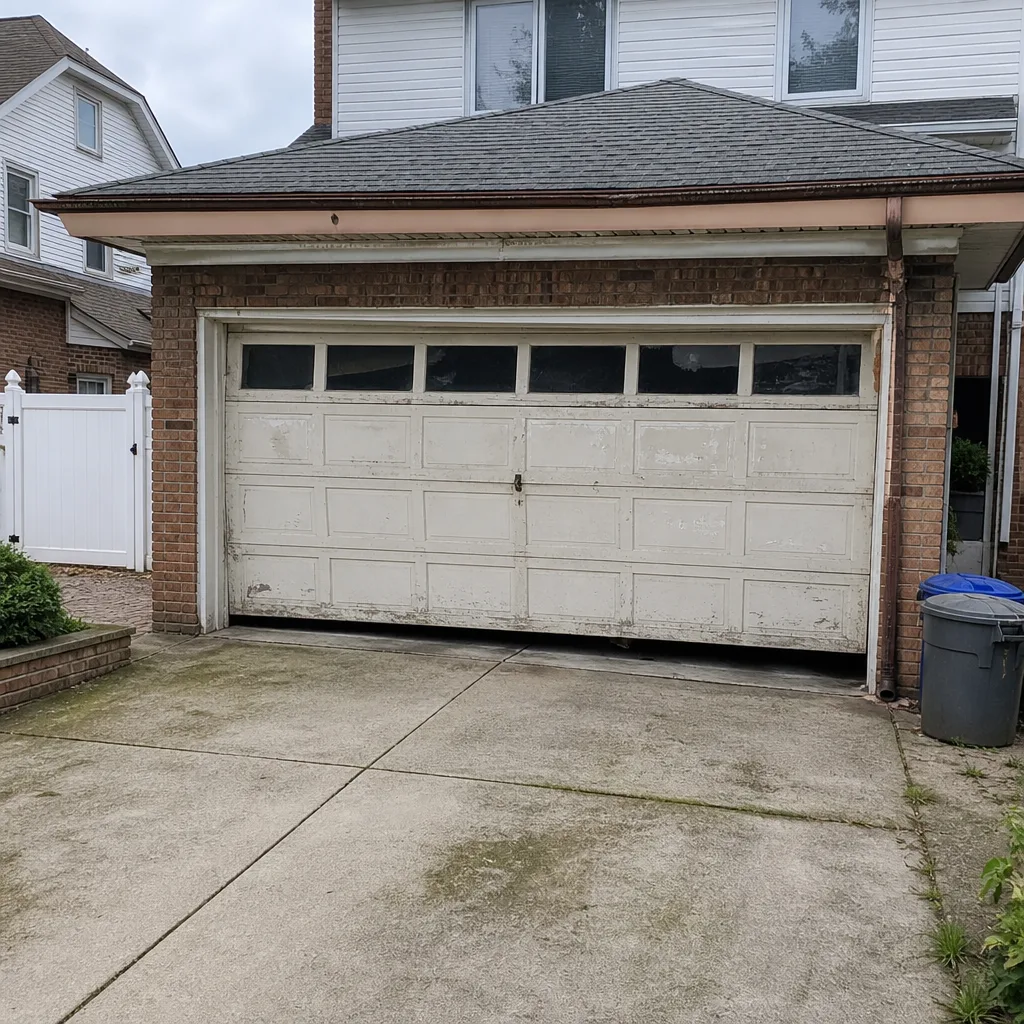 Before
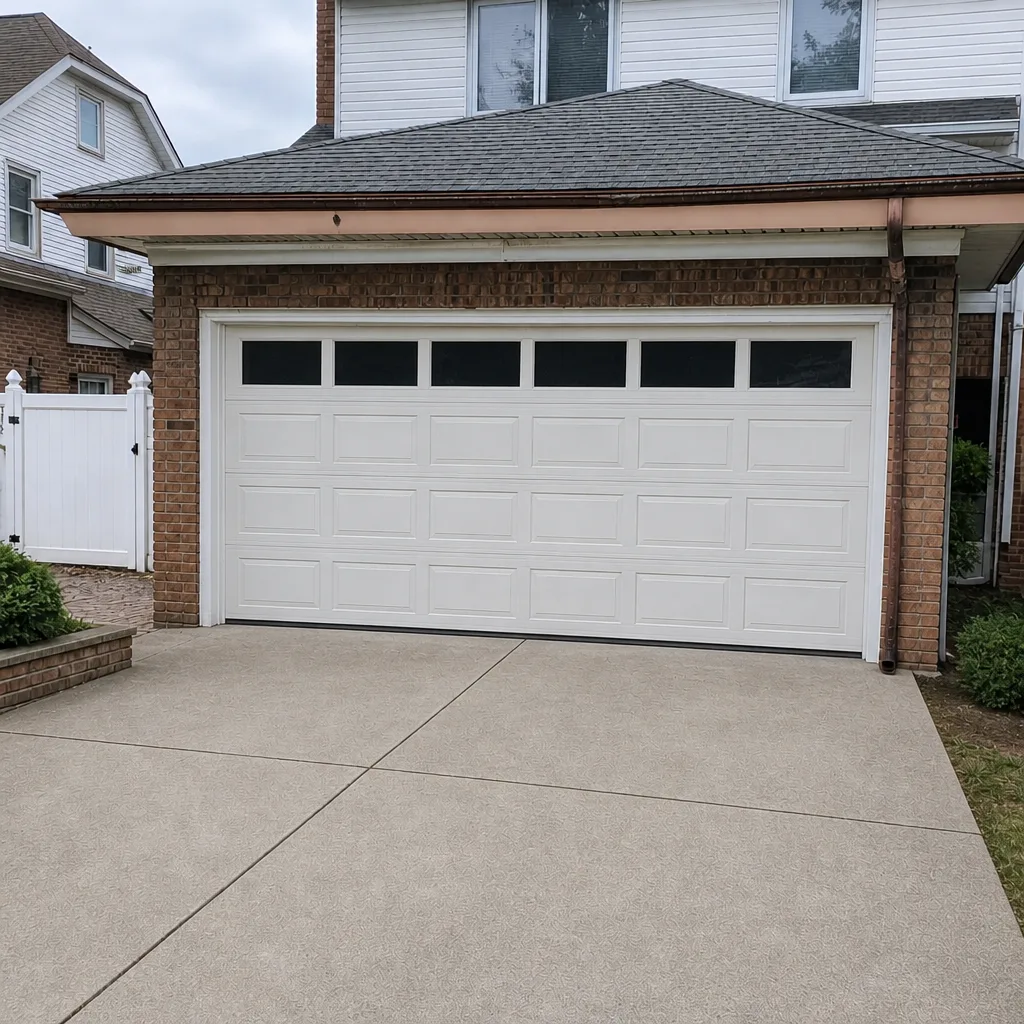 After
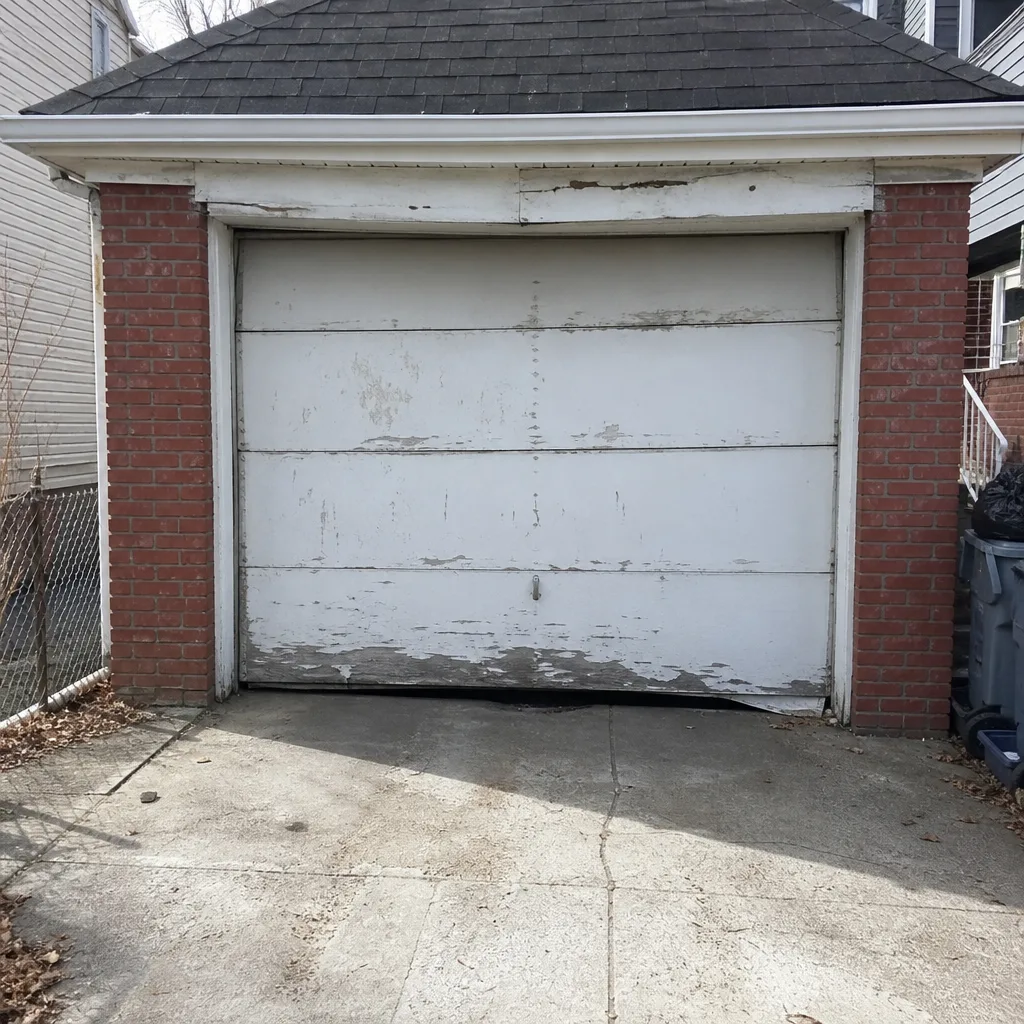 Before
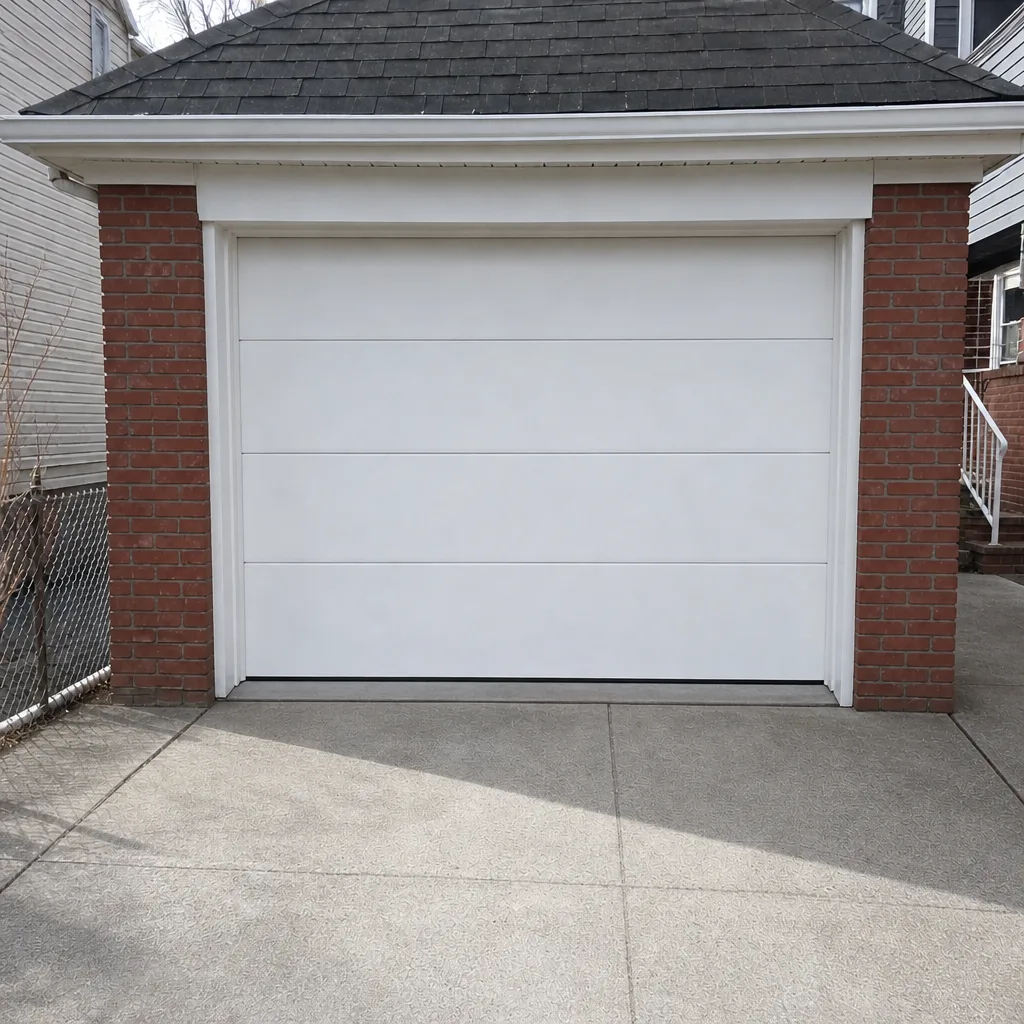 After
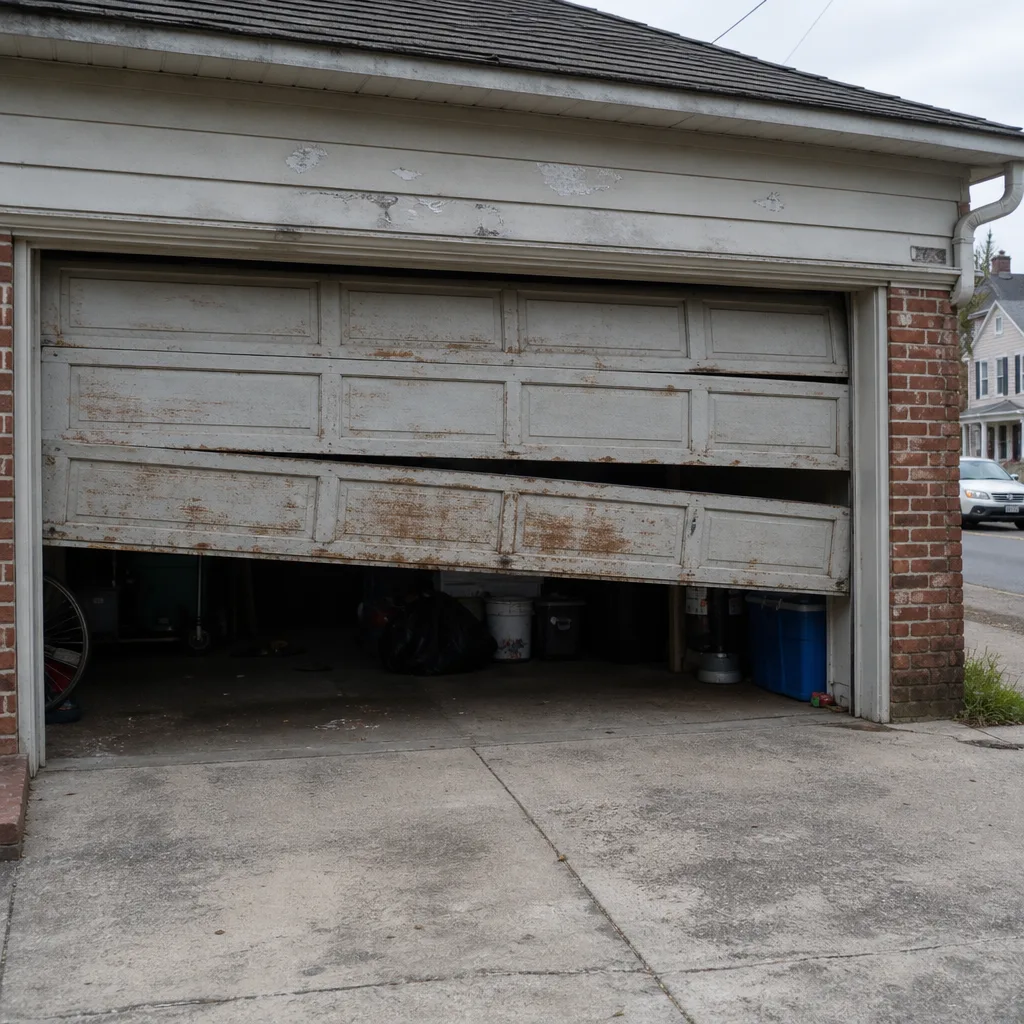 Before
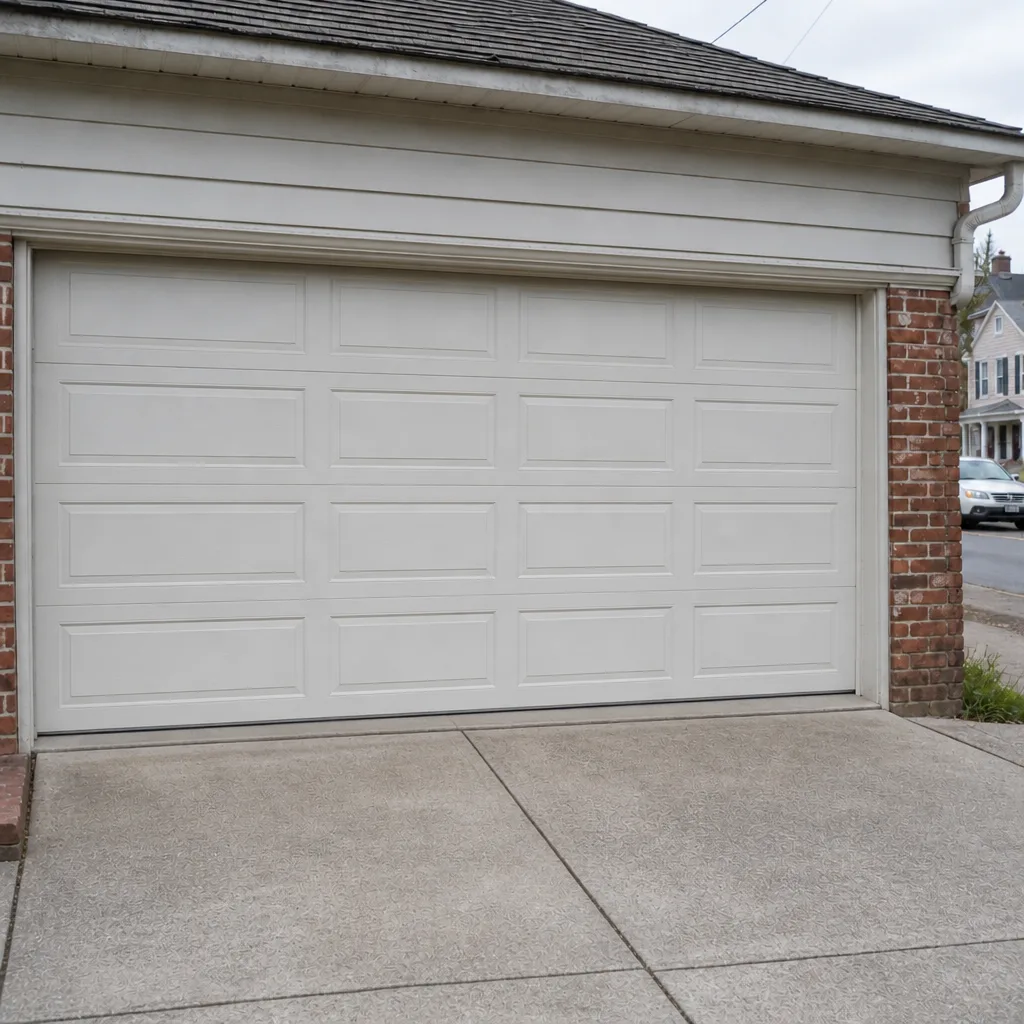 After