Last updated November 21, 2026
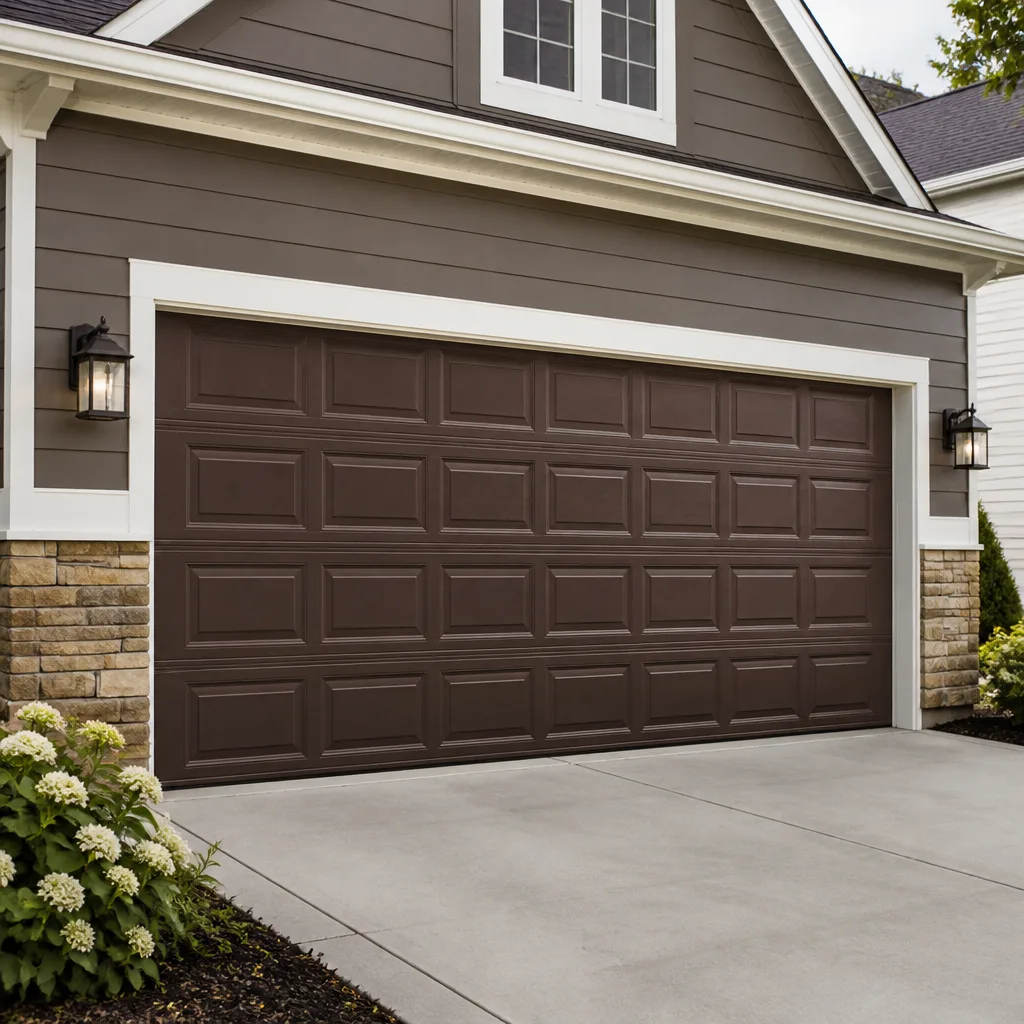 Raised-panel steel
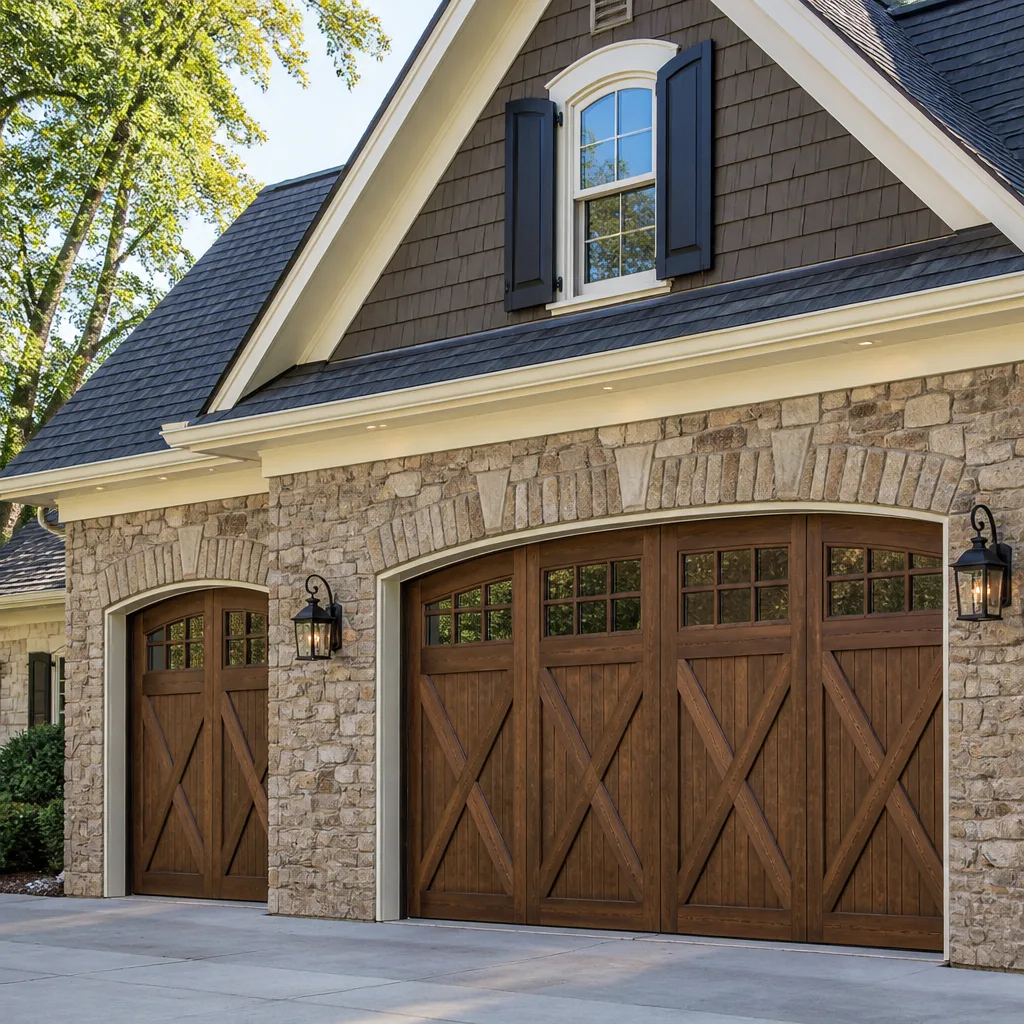 Carriage house
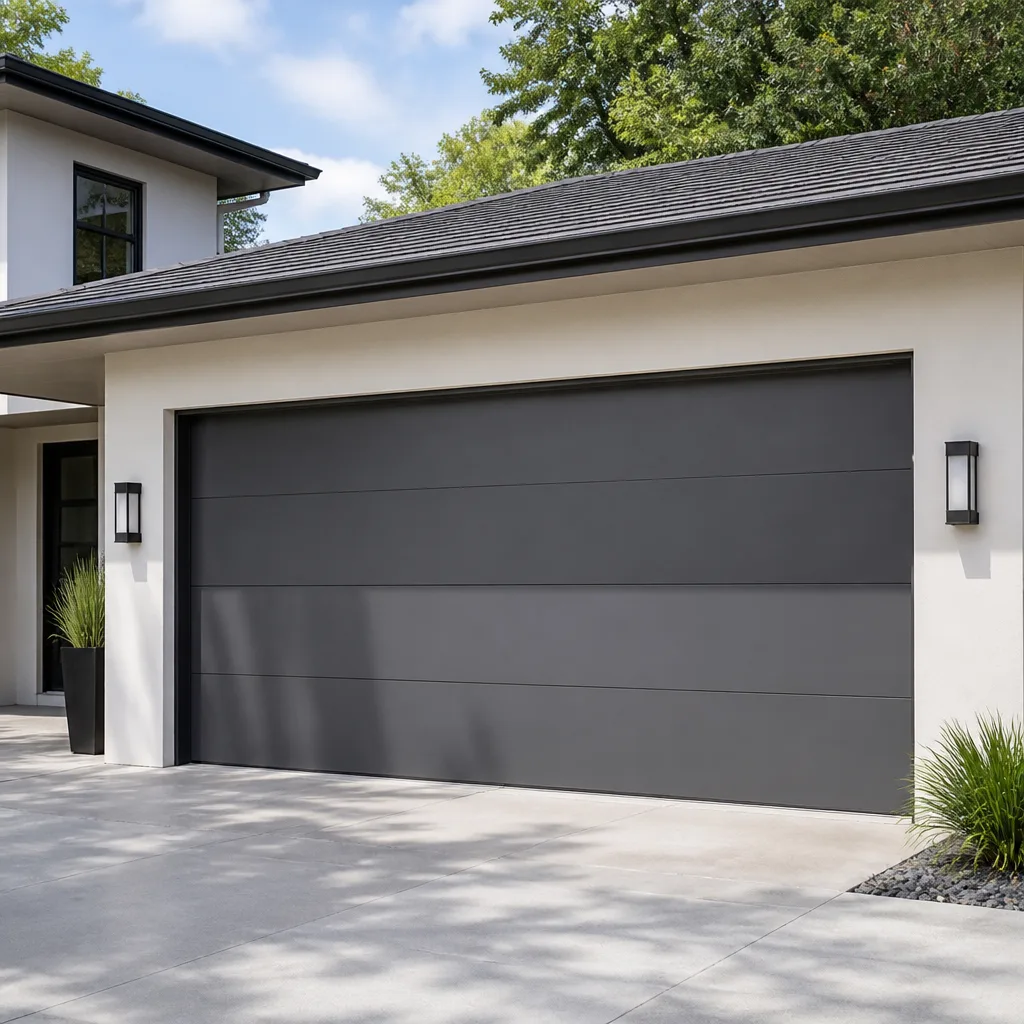 Modern flush
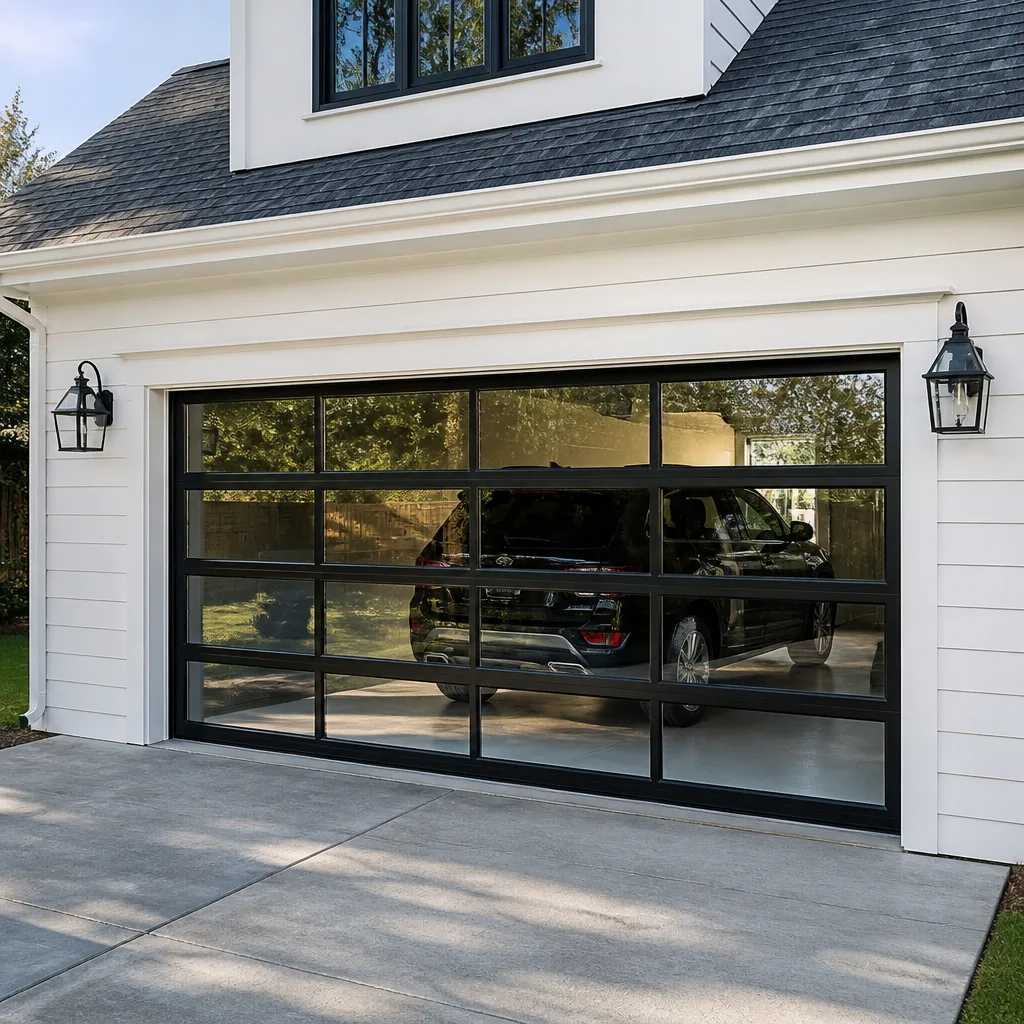 Full-view glass
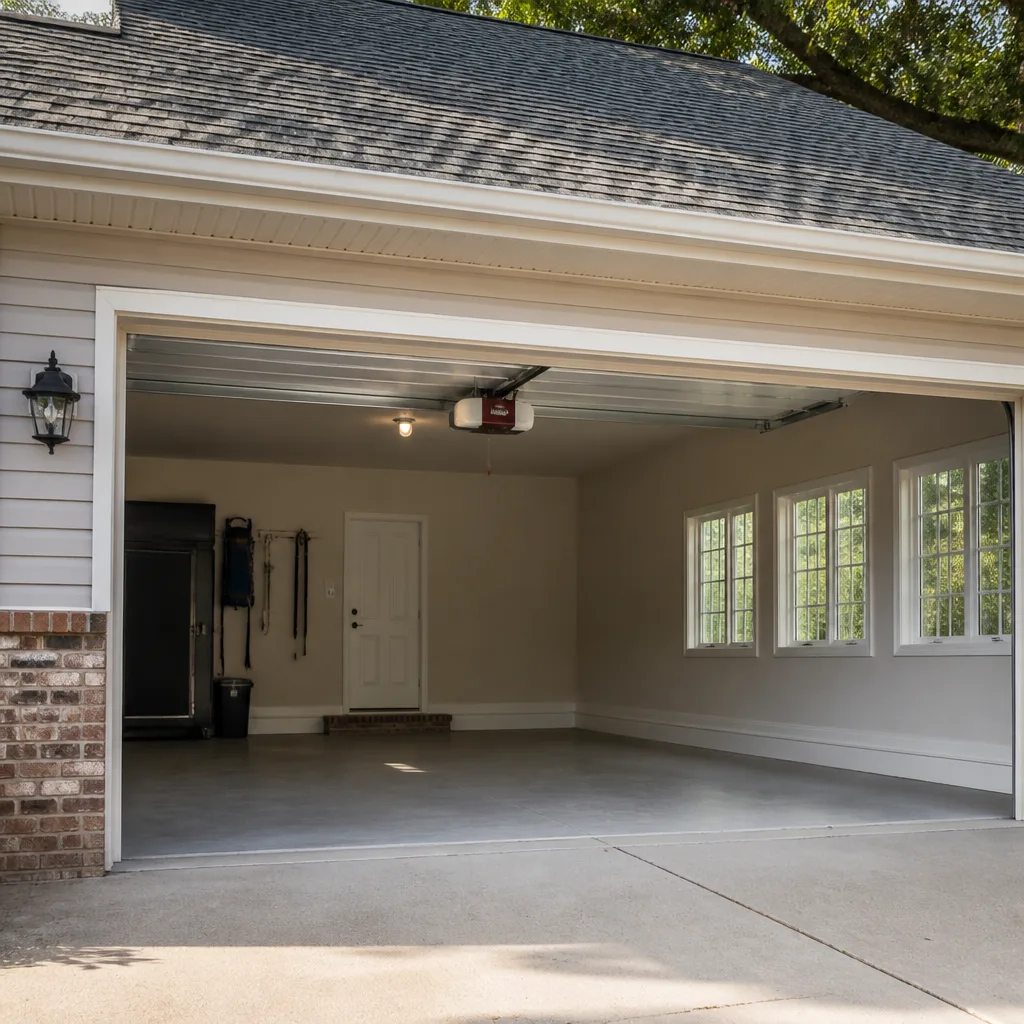 LiftMaster openers
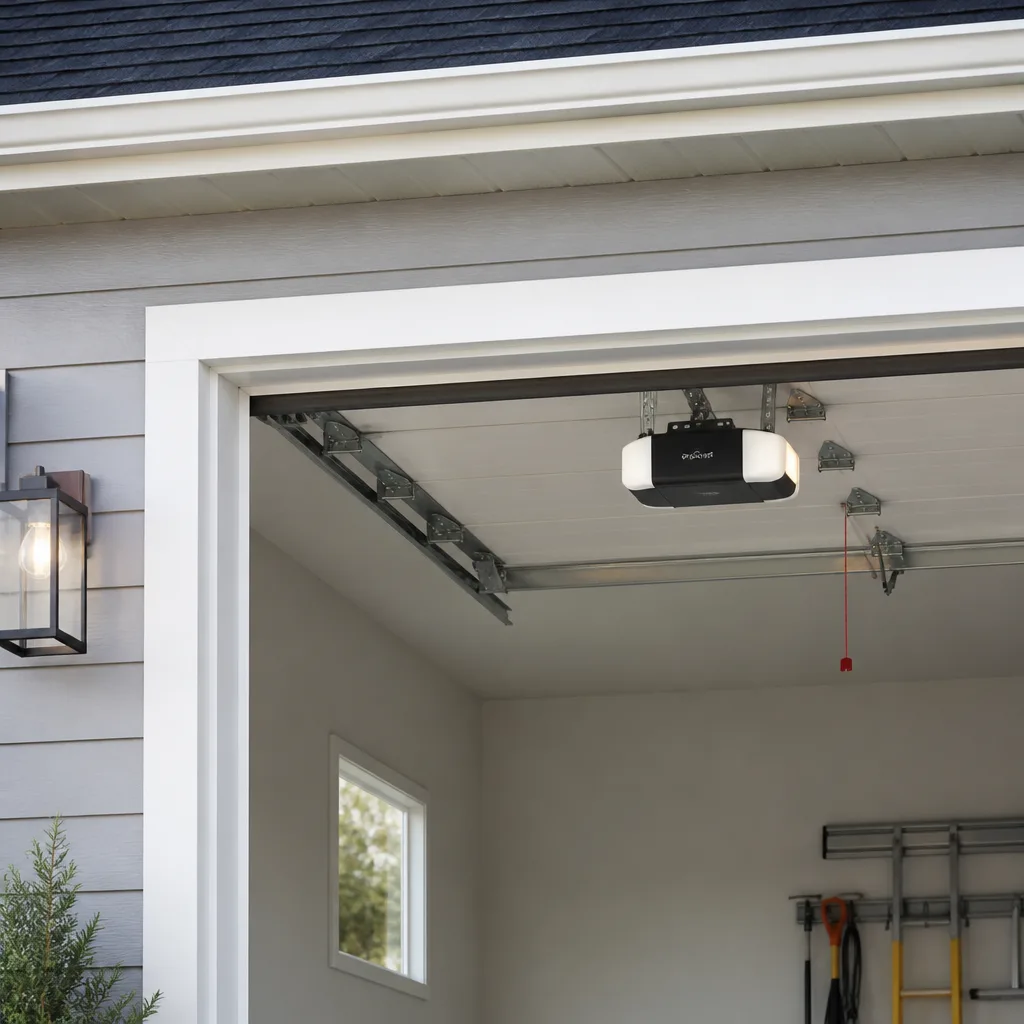 Chamberlain openers
Full 25-point door and opener safety check with every visit - springs, cables, rollers, tracks, and your LiftMaster or Chamberlain opener included
You get a price before we start. It does not change when the pro arrives.
Get your free estimateChoosing the Right Garage Door Brand: A Buyer’s Guide for Sheepshead Bay
The most popular garage door brand on suburban Long Island is a reasonable choice there and a potentially poor one in Sheepshead Bay. Not because the door is inferior, but because the steel gauge and coating spec that holds up fine ten miles inland can degrade much faster when your house sits a couple of blocks from the water. The same logic flips for openers: a system that integrates cleanly with one smart-home platform can be a headache with another. This guide walks through what actually matters for a garage door in Sheepshead Bay – coating quality, steel gauge, local parts availability, warranty fine print, and opener compatibility – so you can pick a brand for your conditions instead of for a showroom display.
Quick Answer
For Sheepshead Bay, NY, the right garage door brand is the one whose steel gauge and coating system are rated for a marine-influenced climate, whose parts are stocked by distributors you can actually reach in the Brooklyn and Queens market, and whose warranty doesn’t quietly exclude corrosion. Clopay, Amarr, and Wayne Dalton all make doors that fit those requirements when you pick the right model within the line. The brand name matters less than the spec sheet and the local supply chain behind it, and the honest answer is that no single brand wins for every house here.
Key Takeaways
- Coastal exposure in Sheepshead Bay makes coating spec and steel gauge the deciding factors, more than brand reputation.
- A brand with no local Brooklyn or Queens distributor costs more over the life of the door, even at the same purchase price.
- Warranty language on corrosion is the most commonly overlooked detail in a garage door purchase.
- Door and opener should be evaluated together – some pairings create integration problems that need workarounds.
- Ask any contractor why they recommend a specific brand and listen for whether the reason is about your conditions or their inventory.
Styles & brands we work with
- Raised-panel steel
- Carriage house
- Modern flush
- Full-view glass
- LiftMaster openers
- Chamberlain openers
Table of Contents
- Why Brand Selection Matters More in Sheepshead Bay Than Anywhere Inland
- Coastal Performance: Coating Quality, Steel Gauge, and Salt-Air Exposure
- Parts Availability in the Brooklyn and Queens Market
- Warranty Comparison: What’s Covered and What’s Excluded
- Opener Brand Compatibility: Which Systems Pair Cleanly
- How to Read a Contractor’s Brand Recommendation
- A Step-by-Step Way to Evaluate Any Brand
- Installation Considerations Specific to Sheepshead Bay Homes
Why Brand Selection Matters More in Sheepshead Bay Than Anywhere Inland
Sheepshead Bay sits on the water side of Brooklyn, and that geography changes what “good enough” means for a garage door. Humidity here runs higher, temperature swings between summer and winter are sharper, and the moisture in the air carries dissolved mineral content that settles on steel surfaces. Over years, that exposure attacks the exact parts of a door that manufacturers test hardest: the bottom section, the hinges, the fasteners, and the torsion hardware. A door that survives a decade in a drier, inland climate without visible deterioration can show edge rust and finish failure far sooner here.
This doesn’t mean you need a premium or commercial-grade door. It means the spec that matters – the coating system and the steel gauge – deserves more attention than the badge on the front of the door. The most common mistake buyers in Sheepshead Bay make is choosing by look and price, then finding out two or three years later that the finish has failed along the bottom edge and the warranty language doesn’t cover it.
There’s a second reason brand selection carries more weight in this neighborhood. Sheepshead Bay has a mix of housing stock, from older low-rise homes with narrower single-bay garages to newer construction with wider openings and taller clearances. Door brands don’t all offer the same flexibility in custom sizing, headroom requirements, and track configuration. A brand that works beautifully on a standard 16-foot double door can be awkward on a tight single-bay opening in an older Sheepshead Bay house. Knowing which brands handle what installation geometry is part of the recommendation, not an afterthought.
In our experience working on garage doors across Sheepshead Bay, the durable doors are almost never the ones chosen purely on price. They’re the ones where the coating spec matched the exposure, and the hardware was sized correctly for the opening. If you’re starting from a broken door or a failed spring rather than a planned upgrade, our Garage Door Repair Sheepshead Bay page covers the repair side of the decision.
Coastal Performance: Coating Quality, Steel Gauge, and Salt-Air Exposure
Coating quality is the single most important performance attribute for a garage door in Sheepshead Bay, and it’s the attribute most often glossed over on the showroom floor. A garage door coating is not just paint. It’s a multi-layer system: a base coat of primer, a finish coat, and in better doors a galvanized or zinc-rich substrate underneath. Three-layer and hot-dipped galvanized steel doors outperform single-layer painted steel significantly when air carries moisture and salt content. That’s the spec you want to see documented, not just described as “rust-resistant.”
Steel gauge matters too, and it’s easy to misread. Lower gauge numbers mean thicker steel. A 24-gauge door is lighter and cheaper; a 25 or 27-gauge door is thinner still and generally not appropriate for a climate that attacks metal. For Sheepshead Bay, 24-gauge or heavier in a multi-layer coated finish is a reasonable floor for a long-life door. Asking the manufacturer or contractor for the exact gauge is the fastest way to sort a durable door from a door that just looks like one.
What to look for in a coastal-capable door, in order of importance:
- Coating system layers. Hot-dipped galvanized or zinc-rich steel, primer, and finish coat. Ask how many layers and what the base metal treatment is.
- Steel gauge. 24-gauge or heavier for a residential door in this climate. Anything thinner is a downgrade for Sheepshead Bay conditions.
- Hardware finish. Stainless or coated hinges and fasteners where the manufacturer offers them. The hardware often rusts before the panel does.
- Bottom section protection. The bottom section sits closest to splashing water and road grime. It fails first on a poorly coated door.
- Insulation and thermal break. A door with a thermal break between the interior and exterior steel skin reduces condensation on the inside face, which is what causes hidden rust on the frame.
By brand, the pattern across the residential market is roughly consistent. Clopay’s premium lines offer thicker steel and multi-layer coating systems that hold up well in Sheepshead Bay exposure. Amarr’s coated steel doors are also solid choices when the spec is specified correctly. Wayne Dalton’s thermal-break models perform well on the condensation side, and their engineered product families are worth discussing with a technician who knows the climate here. The key point isn’t which specific brand wins; it’s that within any brand, there’s a durable spec and a cheap spec, and the buyer has to know which one they’re getting.
Parts Availability in the Brooklyn and Queens Market
Parts availability is the hidden half of the purchase price. A garage door isn’t a sealed unit that either works or doesn’t – it has panels, hinges, rollers, cables, springs, tracks, and an opener. Over its lifetime it will need replacement hardware. If those parts have to come from a distributor outside the Brooklyn and Queens market, you’re paying shipping, waiting longer, and often working with a technician who has to source components one trip at a time. A brand with local distribution is materially cheaper to own than one without, at the same purchase price.
How this plays out in Sheepshead Bay:
- Springs and cables. These wear out first, and the sizing must match the door’s weight and lift. A brand with local spring stock means a repair happens on one visit. A brand without it often means two.
- Panels and sections. If a single section is damaged, replacement depends on whether the exact profile and color way are still in production and available locally. Wayne Dalton and Amarr both keep reasonably current profiles, but colorway discontinuation is a real risk for any brand.
- Rollers and hinges. Cheap aftermarket replacements exist for every brand, but the correct hardware extends the life of the door. The right part sourced locally is cheaper over five years than the wrong part sourced quickly.
- Openers and remotes. LiftMaster, Chamberlain, Genie, and Craftsman replacement parts are all widely available in the local market, which is part of why they dominate residential installs. That availability is not just about convenience – it’s about repair speed.
When you’re evaluating a brand, ask the contractor a direct question: “If a hinge fails on this door in three years, do you source it from a local distributor or do you have to order it?” The answer tells you a lot about long-term ownership cost. Our garage door repair work routinely turns on exactly this question, because we’ve had to explain to homeowners why one brand’s failed hinge takes a week to resolve and another brand’s is a same-visit fix.
We work on LiftMaster, Chamberlain, Genie, Clopay, Amarr, Wayne Dalton, Craftsman, and Raynor equipment, which means the parts conversation almost always lands on what’s locally stocked rather than what’s theoretically available. That’s the practical view of brand selection: it’s not just about the door, it’s about the supply chain behind the door.
Warranty Comparison: What’s Covered and What’s Excluded
Warranty is where most garage door buyers get blind-sided, and coastal exposure makes the fine print matter more in Sheepshead Bay than it would inland. Every manufacturer warranty has two layers: the section warranty (the door panel itself) and the hardware warranty (springs, hinges, rollers, track). They’re usually different durations, and the corrosion language is almost always where the exclusions live.
The pattern across the major brands:
- Clopay. Typically offers a limited lifetime section warranty on premium lines and a shorter hardware warranty. Corrosion coverage is usually conditional on models with the coated or galvanized substrate specified, and exclusions exist for finishes that show damage from environmental exposure where the door wasn’t maintained to manufacturer guidance.
- Amarr. Similar structure. Section warranty durations vary by line, and warranty language on finish failure typically requires the buyer to show the door was installed to spec and maintained as specified. That’s another reason the installation details matter.
- Wayne Dalton. Some models carry stronger coverage on the thermal-break construction, but corrosion coverage on any brand depends on the door spec you actually bought. The warranty for a bare-steel door is not the warranty for a multi-layer coated door.
- Raynor and Craftsman. Raynor’s warranty terms vary by product family and are worth reading alongside the spec sheet. Craftsman doors and openers carry a wrapped warranty structure tied to the retailer, which changes how you file a claim.
Three rules for reading warranty language anywhere in Brooklyn:
- Check the corrosion clause specifically. If corrosion is excluded, the warranty you’re buying doesn’t cover the most likely failure in a coastal climate.
- Check the finish failure language. A finish that fails on the bottom section is a typical reason for a claim. What does the manufacturer require to honor it?
- Check the warranty’s transferability. If you plan to sell the house, a transferable warranty adds real value to a Sheepshead Bay sale.
We always read warranty language with homeowners before they make a decision, because the difference between two doors isn’t just the spec sheet; it’s what happens when the door fails. If you’re upgrading the whole system, our garage door installation page covers the spec and warranty side of the process.
Opener Brand Compatibility: Which Systems Pair Cleanly
Door and opener brands aren’t all engineered to work together cleanly, and this is where homeowners in Sheepshead Bay get surprised. A door can be excellent and its opener can be excellent, but the pairing can create integration problems that need workarounds. The two dominant residential platforms are the LiftMaster and Chamberlain family, and the Genie and Craftsman family. These two ecosystems don’t always communicate cleanly on smart-home features, and the compatibility matrix matters.
Here’s how the pairings typically break down:
- LiftMaster / Chamberlain openers pair cleanly with most standard residential door brands, including Clopay, Amarr, and Wayne Dalton, because the opener ecosystem is built around the widest compatibility. Smart-home integration via MyQ is solid on these units.
- Genie / Craftsman openers also pair cleanly with most residential doors, but smart-home integration is more limited and sometimes requires a third-party hub. If you want app control and are considering a Genie opener, ask about that first.
- Mixed-brand installs – a Clopay door with a Genie opener, for example – usually work fine on the mechanical side. The problems tend to be on the software side (app control, scheduling, voice assistant integration) rather than the up-and-down operation.
- Older Craftsman units sometimes have less compatibility with modern smart-home controls, not because of door brands but because the opener itself predates current protocols.
The practical rule: if smart-home integration matters to you, pick the opener first and the door second, because the door brand rarely creates the integration headache – the opener does. If you’re keeping an existing opener and adding a new door, the question becomes whether the opener can be properly tuned to the new door’s weight and safety sensor requirements. That’s something a technician can evaluate in a single visit. Our garage door opener repair work regularly touches on this integration question, and it’s usually the reason homeowners end up replacing an opener and a door in the same project rather than in two separate ones.
For Sheepshead Bay homes, this is also a security question, not just a convenience one. A door that won’t close is an open house. An opener that’s failing in a way that leaves the door partially open is worse than the door failing closed. The compatibility conversation should always include how the system behaves when a component fails.
How to Read a Contractor’s Brand Recommendation
The most useful skill in a Sheepshead Bay garage door purchase is being able to tell whether a contractor’s brand recommendation is about you or about them. A recommendation that exists primarily because of what the contractor stocks is not the same as a recommendation that exists because of what the door spec delivers. Both can be legitimate, but they shouldn’t be confused. The right contractor will name the brand, explain the spec, and be able to tell you which alternative brands would also work for your conditions.
Questions that surface the difference quickly:
- “Why this brand for my house specifically?” The answer should reference the coating spec, steel gauge, and fit for your opening – not “we work with this brand.”
- “What alternatives would you consider for the same job?” A good answer names at least two. A single-answer response worth reading should explain why the alternative doesn’t fit your conditions.
- “What’s the warranty coverage on corrosion for this specific model?” Watch whether the answer is a spec reference or a deflection.
- “Where are the parts sourced locally?” The honest answer is a local distributor. The evasive answer is “we’ll handle it.”
- “What does the written estimate include?” The estimate should be broken out by door, opener, hardware, installation, and removal of the old door.
We’re certified to work across eight major brands – LiftMaster, Chamberlain, Genie, Clopay, Amarr, Wayne Dalton, Craftsman, and Raynor – which means our recommendations aren’t constrained by what we stock. They’re constrained by what’s right for the conditions, and that’s the way we prefer to work. When the answer to “why this brand?” is about the door and not about us, you’ve got a contractor worth listening to. Our technicians have up to 13 years of experience evaluating exactly this question across Sheepshead Bay installations.
The other thing to listen for is whether the contractor talks about the door and the opener as a system or as two separate purchase decisions. A door and opener installed together are calibrated together. They work as one unit. Anyone who pitches them separately is either going to leave a compatibility issue for you to solve later or is planning to sell you two products when one system purchase would do.
A Step-by-Step Way to Evaluate Any Brand
If you want a repeatable method for evaluating any garage door brand in Sheepshead Bay, this is how to run the decision. It’s the same sequence a professional uses when they’re spec’ing a door and opener for a house.
- Define the opening. Measure the width, height, headroom, and backroom. Note the track configuration and whether the ceiling allows a standard lift or requires a low-headroom setup. This step eliminates brands whose catalogs don’t offer a fit for your opening.
- Define the exposure. For Sheepshead Bay homes close to the water, the door needs a multi-layer coating and 24-gauge or heavier steel. If you’re further inland in the neighborhood, the spec relaxes slightly, but the door floor stays roughly the same.
- Rank by coating system. Hot-dipped galvanized or zinc-rich base with primer and finish coat wins over single-layer painted steel. Read the manufacturer’s coating description word for word.
- Rank by warranty on corrosion. If the warranty excludes corrosion, the door doesn’t fit the climate. Read the exclusion language, not just the duration.
- Rank by local parts availability. Call or ask about the local distributor. If the parts have to come from outside Brooklyn and Queens, factor that into the total cost over the life of the door.
- Evaluate the opener compatibility. Pick the opener that fits your integration needs first (LiftMaster or Chamberlain for clean smart-home, Genie or Craftsman if that’s what’s already installed and working), then make sure the door’s weight and sizing match the opener’s capacity.
- Get a written estimate that separates parts from labor. The written estimate is the price. If the estimate doesn’t separate door, opener, hardware, installation, and removal, ask for a breakdown.
- Confirm the install details. Track anchors, spring sizing, safety sensor height, and bottom seal fit are the details that determine whether the door actually performs in Sheepshead Bay conditions. Ask what the installer will use.
This sequence takes about an hour if you have the manufacturer spec sheets in front of you, less if a technician walks you through it. We generally walk through it with homeowners during the estimate, because it produces a decision they don’t second-guess later. The written estimate sets the final price, and every line should be clear before anyone picks up a tool.
Installation Considerations Specific to Sheepshead Bay Homes
Sheepshead Bay housing stock includes everything from older narrow-lot homes with single-bay garages and low headroom to newer construction with wider openings and generous clearances. Each of those configurations imposes a slightly different door spec. A 16-foot double door on a newer build leaves plenty of room for a multi-layer insulated door, a standard lift, and a standard opener. A single-bay garage on an older house with tight headroom might need a low-headroom track and a door that’s lighter or differently counterbalanced to fit the available clearance.
This is where brand selection ends and installation spec begins. Some door brands are more flexible on custom sizing and headroom configurations than others. Some offer a wider range of colorways and window options for older homes where the door has to match the front of the house. And some opener brands fit more cleanly into a low-headroom clearance than others. A brand that checks every box on the spec sheet but has no fit for your opening is the wrong brand for your house.
A few local installation considerations worth knowing:
- Low headroom is common. If your ceiling clearance above the door opening is tight, the door needs a low-headroom track and hardware. Not every door brand supports this configuration in every line, so it’s worth confirming before the order.
- Opening widths vary. Single-bay garage openings in older Sheepshead Bay homes often sit between 8 and 9 feet. Double-bay openings sit near 16 feet. Custom sizing is possible in most brands, but the lead time is longer.
- Spring sizing depends on door weight. A spring is not a universal part. When a door is replaced, the springs are sized to the new door. When a spring is replaced, the replacement is sized to the existing door. This is why we treat spring work as a trained-technician job and not a tutorial – springs under tension are dangerous, and a wrong-size spring turns a door into a hazard.
- Permits vary. A garage door replacement usually doesn’t require a permit in most jurisdictions, but if the opening or structure is being changed, ask your city’s building department. We’ll say the same thing in person.
- Removal and disposal. The old door has to come out and go somewhere. A good written estimate includes removal and disposal.
If you’re planning a door replacement in Sheepshead Bay, the measure-and-quote step is free, and the install is scheduled after the order. That’s different from a repair, which can often be handled on a single visit. We’re careful not to blur the two, because installation timelines depend on the manufacturer, the door spec, and the order queue – not on how quickly a truck can arrive.
Common Mistakes to Avoid
- Choosing the cheapest door that fits. A single-layer painted steel door might meet the opening size and the budget, but in Sheepshead Bay’s exposure it can show finish failure at the bottom edge inside a few years. The coating spec is worth the small price step.
- Ignoring the corrosion clause in the warranty. Duration gets all the attention, but coverage on corrosion is the part that decides whether the warranty actually protects you here. Read the exclusion language, not just the number of years.
- Buying a door with no local parts supply. A brand that has to be sourced from outside the Brooklyn and Queens market costs more over time, even when the sticker price is the same. Ask where the hinges and springs come from before you commit.
- Pairing a door and opener without checking integration. The mechanical install almost always works. The smart-home and app control pairing doesn’t always. Confirm the opener platform and the door spec together, not separately.
- Believing the door brand alone determines durability. Two doors from the same brand can have completely different warranties and coating systems depending on the line. The model spec matters more than the logo on the box.
- Skipping the written estimate breakdown. An estimate that lumps the door, opener, hardware, install, and removal into one number makes it impossible to compare brands on the parts that actually differ. Ask for the breakdown.
- Trying to replace a spring yourself. Torsion and extension springs are under enormous tension. A wrong move can cause serious injury. Springs are sized to the door and require training and the right tools – this is the one part of garage door ownership where calling a technician is the only safe answer.
See the difference
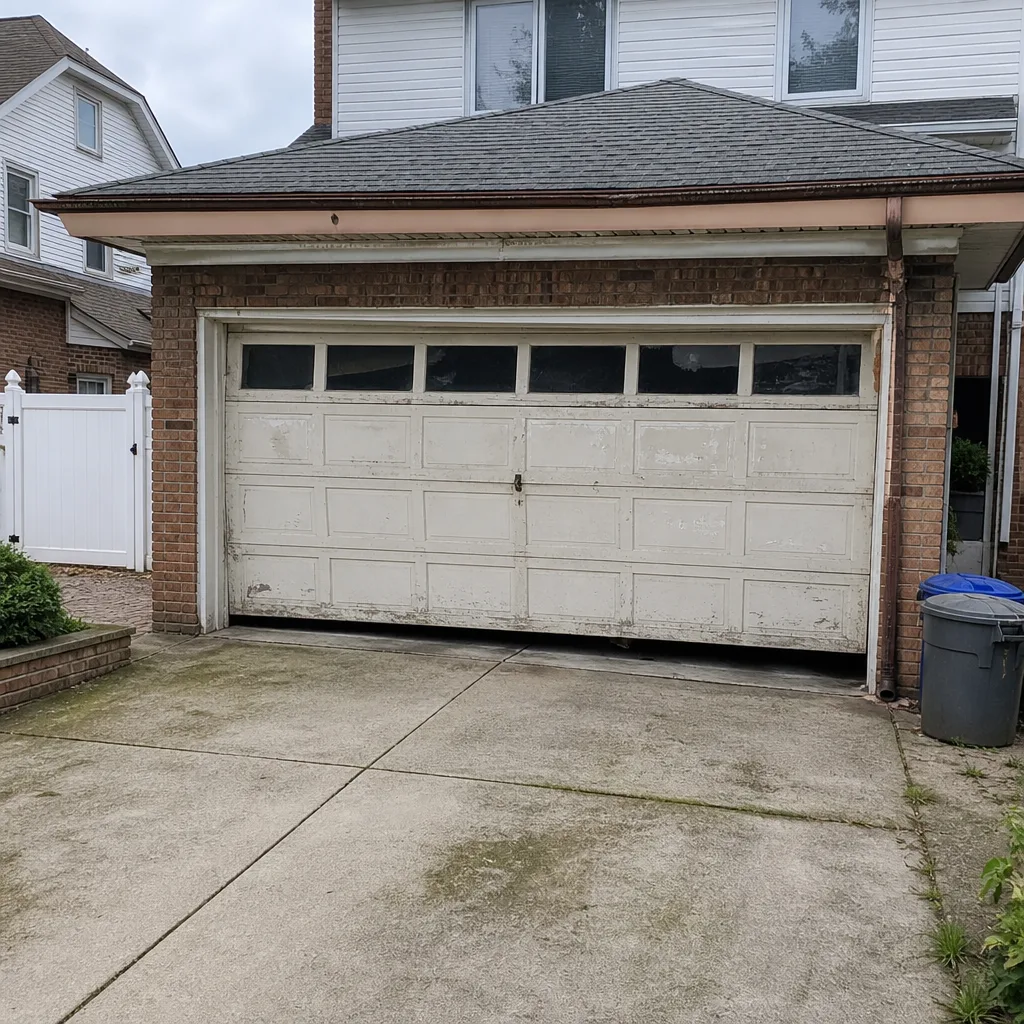 Before
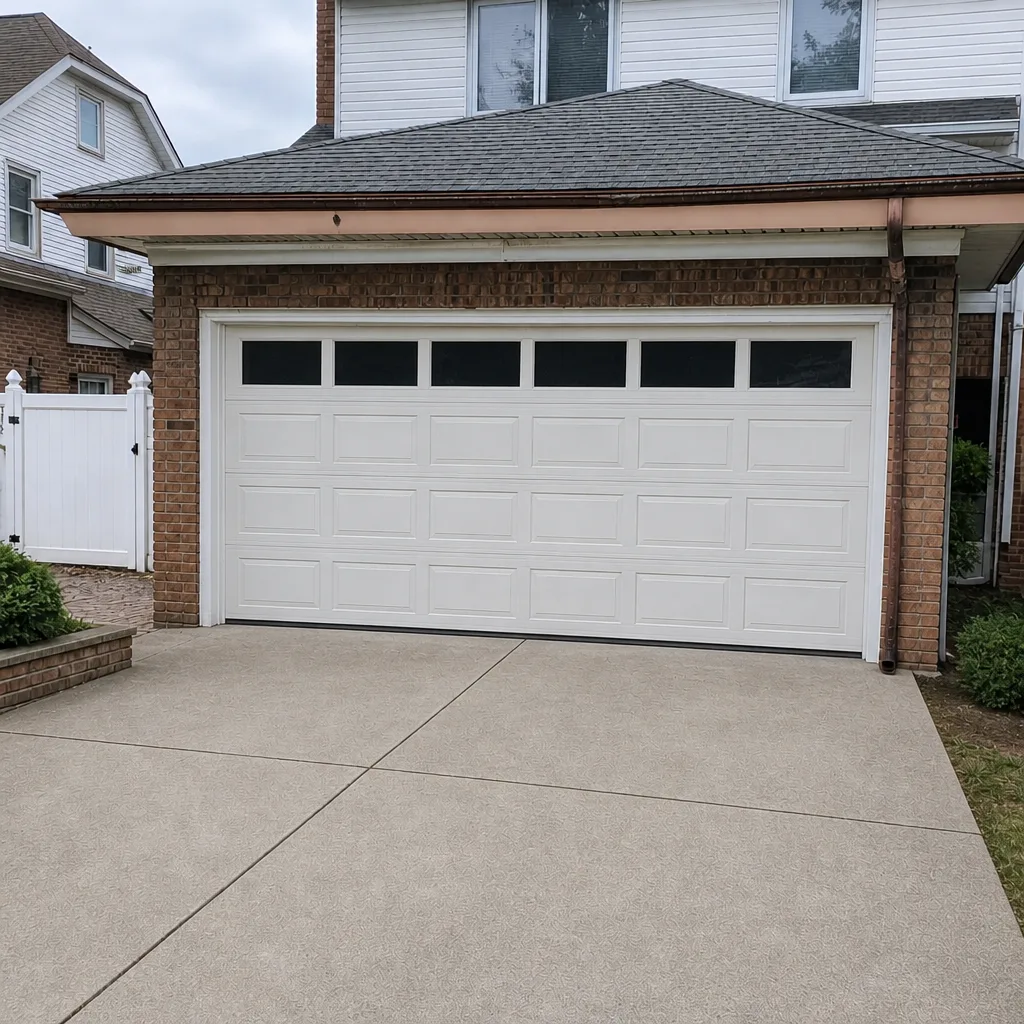 After
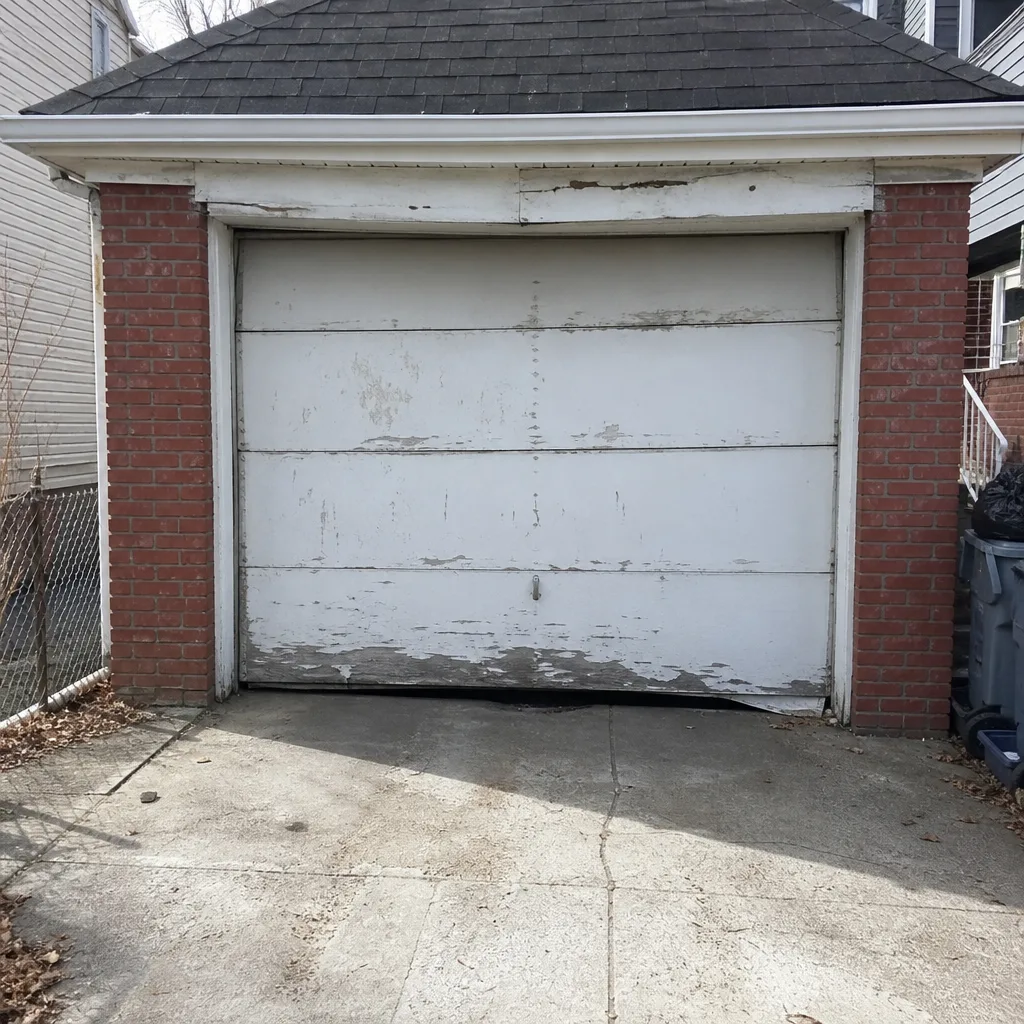 Before
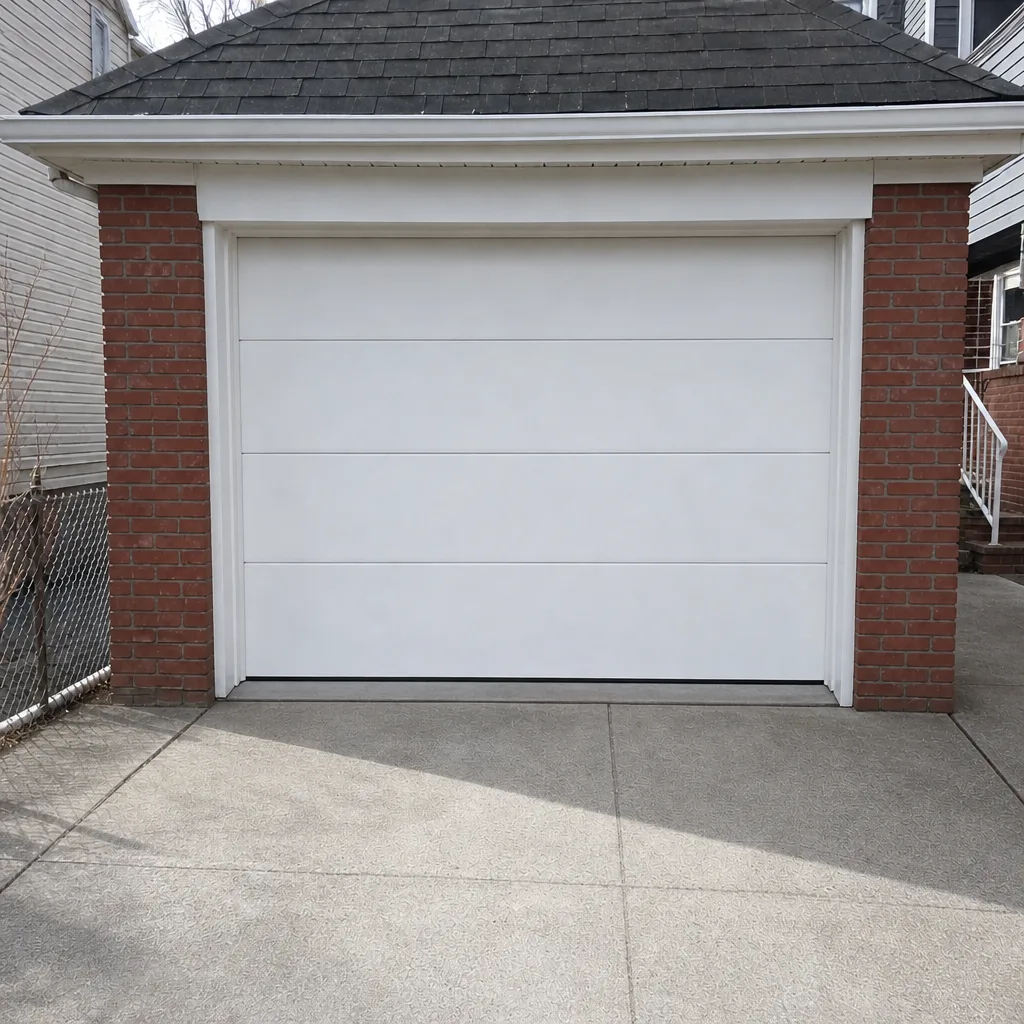 After
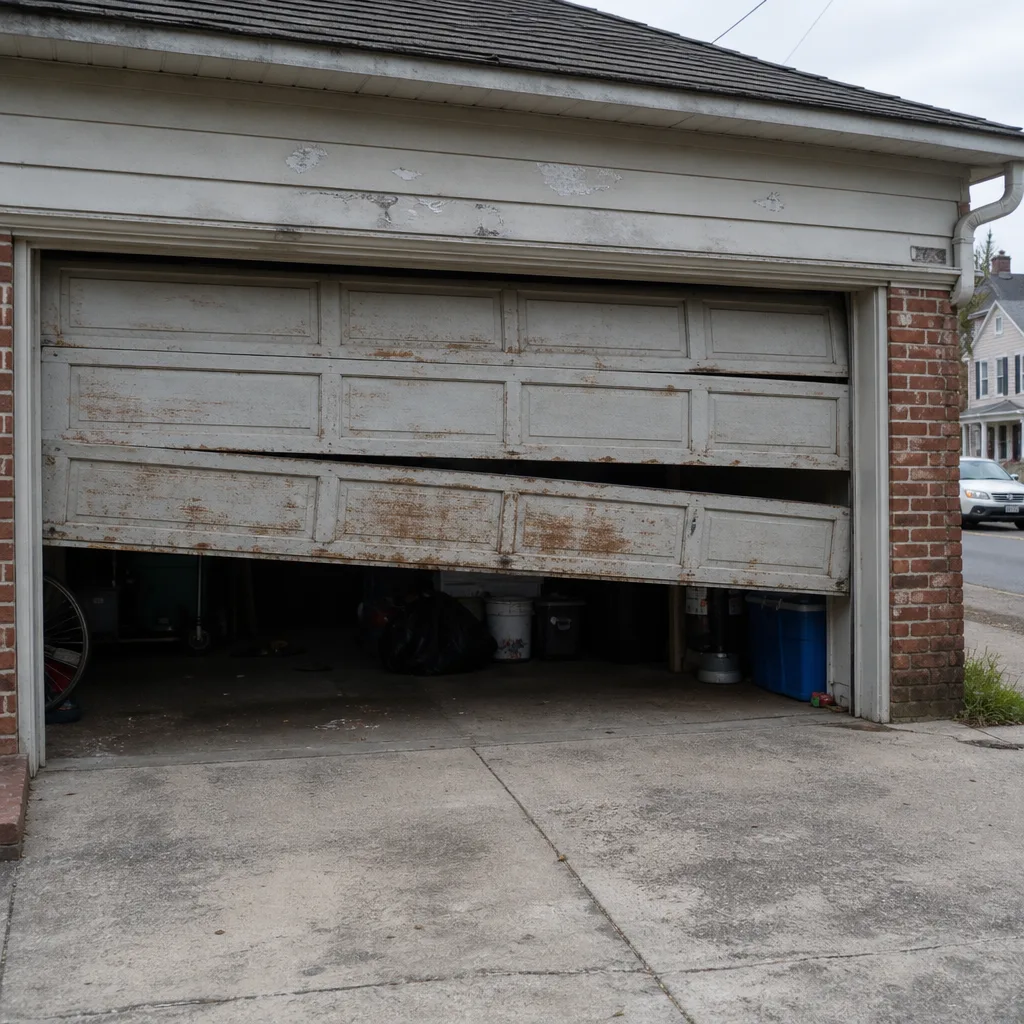 Before
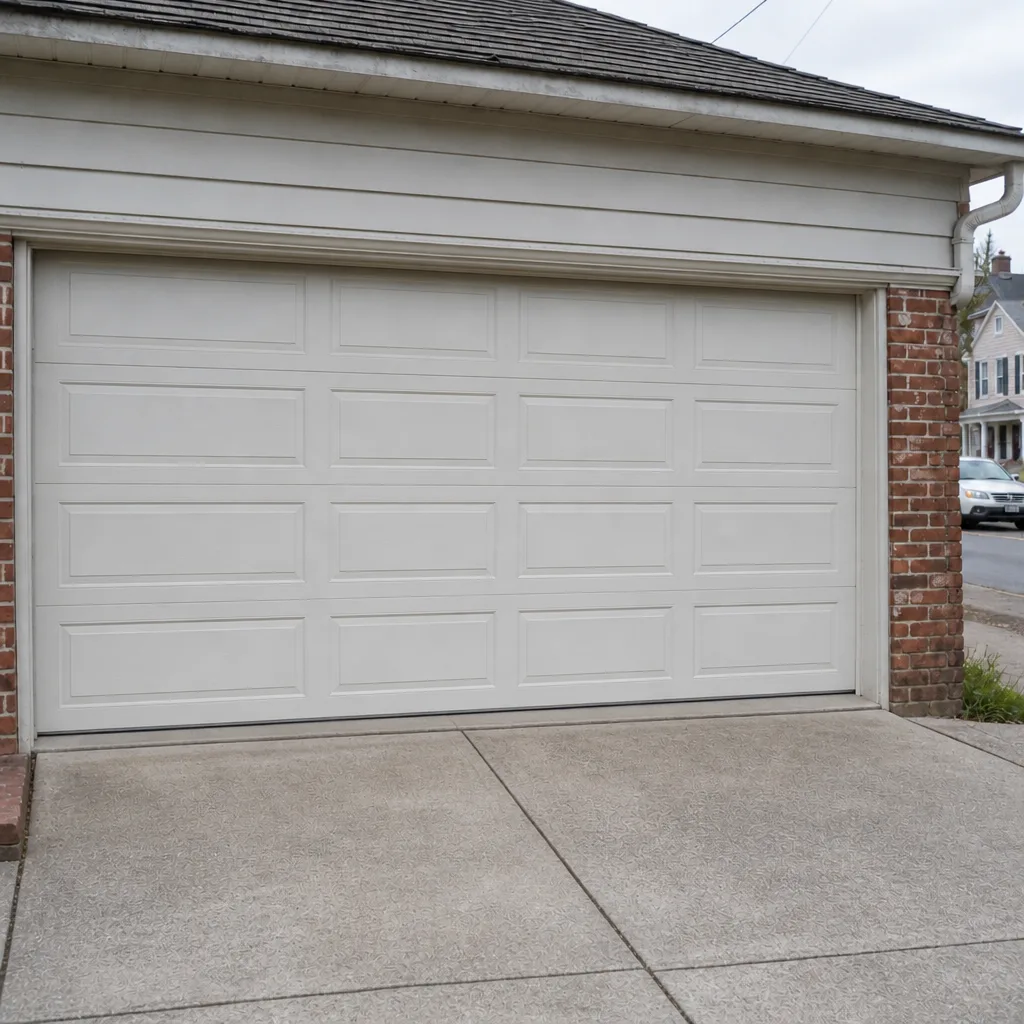 After
When to Call a Professional
Some garage door decisions are a matter of brand preference and timeline. Others need a call today. If a spring has snapped and the door won’t lift, or the opter is unresponsive and the door is stuck open, that’s a security problem as much as a mechanical one – a stuck-open door is an open home, and it’s the situation where emergency service matters. If the door has come off its track, or the opener is running but the door isn’t moving, those are same-day repair scenarios, not a scheduled install. If you’re planning a new door or a full opener replacement, that’s a free measure and a written estimate – no urgency, just a scheduled visit.
Garage Door Repair Sheepshead Bay offers free estimates in Sheepshead Bay – call (833) 954-3381. We work on LiftMaster, Chamberlain, Genie, Clopay, Amarr, Wayne Dalton, Craftsman, and Raynor equipment, so we can answer the brand question and the repair question in the same visit. If the door just needs a spring and the door itself is fine, we’ll tell you that. If the door is at the end of its service life and the repair math doesn’t work, we’ll walk through the replacement spec with you. Either way, the price is quoted and agreed before any work starts.
Frequently Asked Questions
There isn’t a single best brand – the right answer is the door with the right coating system and steel gauge for the exposure. Clopay, Amarr, and Wayne Dalton all make models that hold up well in Sheepshead Bay when you pick a multi-layer coated door in 24-gauge or heavier steel. The model spec within the brand matters more than the brand name itself. Call (833) 954-3381 for a free estimate and we’ll walk through the spec with you.
A step up to a multi-layer coated door in heavier steel adds to the door cost compared to a single-layer painted door, and the exact difference depends on the model, size, and window configuration. The larger point is that the coating upgrade typically costs far less over a decade than replacing a failed door does. We don’t quote a number without seeing the opening – the written estimate sets the final price, and estimates are free. Call (833) 954-3381.
No – Clopay and Amarr doors pair cleanly with LiftMaster, Chamberlain, Genie, and Craftsman openers on the mechanical side. The integration question is on the smart-home side, where LiftMaster and Chamberlain tend to be more straightforward for app control and voice assistants. If smart-home control matters to you, pick the opener first and confirm the door spec fits its capacity. Call (833) 954-3381 and we’ll check the pairing for your exact setup.
No – the price is quoted and agreed before any work starts, and the written estimate is the price. The estimate is broken out by door, opener, hardware, installation, and removal so every line is clear before anyone starts. If something unexpected is found once the old door is off, we stop and talk to you before any change order happens. Call (833) 954-3381 for a free estimate.
The local pros we connect you with are licensed and insured as required by New York State. We work on eight major brands – LiftMaster, Chamberlain, Genie, Clopay, Amarr, Wayne Dalton, Craftsman, and Raynor – which means your brand is almost certainly within scope. Our technicians have up to 13 years of experience. Call (833) 954-3381 for a free estimate.
Torsion springs run horizontally above the door and carry the load through a shaft; extension springs run along the track on each side. Both are under high tension and both require a trained technician with the correct tools and spring-sizing knowledge. Brand doesn’t change the safety rule; the spring is sized to the door, and the wrong size is dangerous. We stock torsion and extension springs so the repair can usually happen on a single visit. Call (833) 954-3381 to schedule.
The Bottom Line
In Sheepshead Bay, the right garage door brand comes down to coating quality, steel gauge, local parts availability, honest warranty language on corrosion, and clean opener compatibility. The brand name on the front of the door is the least important part of the decision. Clopay, Amarr, and Wayne Dalton all make doors worth considering when the model spec fits the climate and the opening; the same brands make doors that aren’t worth the price when the spec is thinner than the exposure. Choose the spec first, then choose the brand that delivers it, and read the written estimate line by line before you commit. That’s the whole guide in one paragraph, and it’s the way we walk through every Sheepshead Bay purchase.
If you’d rather start with a conversation than a spec sheet, call (833) 954-3381 for a free estimate. We’ll measure the opening, match the spec to your exposure, walk through the brand options across eight major lines, and put everything in a written estimate with a breakdown you can actually compare. No pressure, no upsell, just the door and opener that fit the house.
Written by the team at Garage Door Repair Sheepshead Bay.